The Archbishop of Canterbury has said that the government’s decision to replace the Listed Places of Worship Grant Scheme (LPWGS) has placed an “intolerable burden” on church congregations up and down the country.
The decision to scrap the LPWGS was taken during Keir Starmer’s time as Prime Minister. The LPWGS was replaced by the Places of Worship Renewal Scheme, which offers a smaller pot and, crucially, no longer exempts historic places of worship from VAT on repair bills.
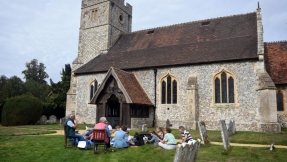
The National Churches Trust recently blamed the change for the sharp rise in the number of historic places of worship now deemed to be “at risk”.
Writing for The Telegraph, the Archbishop of Canterbury, Sarah Mullally, said the change “is already having an impact, especially in poorer areas”.
Archbishop Mullally argued that the current system, in which VAT is charged for repairs to existing buildings but not for constructing an entirely new building, created “a perverse disincentive against care for heritage”.
She called for greater partnership between the Church and the State, arguing that investing in church buildings also represents “an investment in communities, heritage, social action and national wellbeing".
Speaking of her own role as Archbishop, Mullally said she wished to “do more” to support local parishes, many of which feel “overwhelmed” due to lack of funds for repairs or the need for clergy to manage multiple parishes.
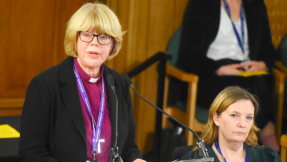
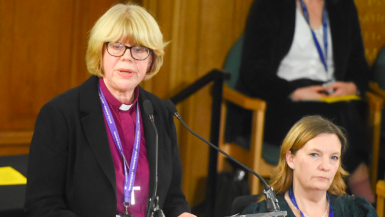
Her comments in The Telegraph come on the back of an address earlier this week to the Church of England’s General Synod in which she also criticised VAT on church repair bill.
She also said that the Church’s funding model needs to change and that more effort is needed to ensure resources "are directed to where the Gospel can make the most difference - which is our parishes".
Last month Anglican academics made similar observations, but also proposed a radical programme of cuts that would reduce the number of dioceses and bishops to 30 and also significantly reduce staff levels at the diocesan level.
Other observers have been critical of Mullally’s support for Project Spire, the controversial £100m fund for communities perceived to be detrimentally impacted by the legacy of transatlantic slavery.
Often denounced as reparations in all but name, critics say the project raises theological questions of inherited guilt and is also a misuse of church funds that would be better directed to struggling parishes. It is currently subject to a legal challenge.