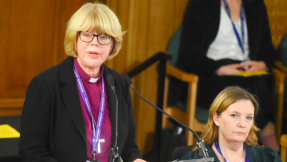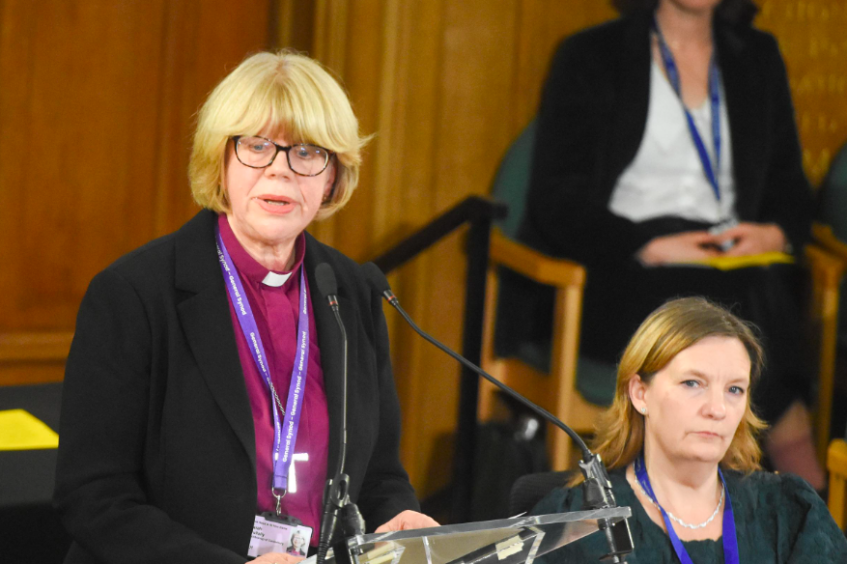
Dame Sarah Mullally has said that the Church of England’s funding model needs to change, acknowledging that "too many clergy are struggling".
In her presidential address to the newly elected General Synod on Tuesday, the Archbishop of Canterbury also said that many congregations are finding it difficult to pay for essential work on their buildings.
While some parishes have benefited from national and diocesan funding, Archbishop Mullally said others were struggling to feel the benefits locally.
She said the Church of England's current funding model is "not quite right" and that there is "more work to do" to ensure resources "are directed to where the Gospel can make the most difference - which is our parishes".
"This will require creative thinking and tough decisions about our priorities, structures and resources," she said.
Archbishop Mullally said she had heard about the pressures facing parishes from clergy, staff and volunteers during visits to churches around the country since her installation earlier this year.
"I am confident our hope is in the Gospel, but I do not want to present a picture-postcard image of the Church of England. We need to see things as they are - what is in good health, and what needs attention and care," she said.
"Too many clergy are struggling: serving multiple parishes, dealing with huge administrative workloads, and feeling isolated. Many clergy and lay people serve their churches with little resource in challenging circumstances. There is mistrust of the institutional church, which is too often experienced simply as a set of expectations, rather than a source of support and encouragement.
"Many congregations are struggling to raise funds to fix their roofs and organs or install the much needed heating or bathroom facilities.
"We must address this as a Church, and as a Synod. The structures and governance of the Church should enable the different parts of Christ's body to work together effectively in the service of parishes and in service of the Gospel."
She said she would work with the Synod, the Archbishops’ Council and the Church Commissioners to ensure funding decisions support parishes and frontline ministry.
The Archbishop also addressed the "intolerable burden" placed on churches by the loss of VAT on church repairs.
"The cathedrals and churches of the Church of England are not only historic buildings and architectural treasures," she said.
"They are places of welcome and worship, binding local communities together with love, hospitality and service. Therefore, I ask Government to think again about how these treasures can be supported and saved for our nation."
More than 12,000 Church of England churches are listed, including around 4,300 at Grade I, the highest listing grade.
The UK-wide Listed Places of Worship Grant Scheme, which allowed churches to reclaim VAT on eligible repairs, came to an end in March.
The government has since allocated £92 million over four years to the scheme's successor for England, the Places of Worship Renewal Fund. The new fund offers grants for urgent repairs and essential improvements, with priority given to projects in areas of high deprivation and those that bring the most benefit to local communities.
The National Churches Trust has warned that the loss of the VAT grants could force congregations to scale back or cancel repairs. The charity awarded more than £2.6 million in grants in 2025, supporting 252 places of worship. Its survey of more than 3,600 churches found that more than a third of church roofs were at risk or in urgent need of repair.
Claire Walker, chief executive of the National Churches Trust, has warned that delays to repairs could also put wall paintings, stained glass and other historic features at risk.