Is Save the Parish (StP) now winning the argument in the Church of England? At the meeting of the newly-elected General Synod in Westminster this week, StP certainly scored a significant triumph.
In words that have gained widespread national media coverage, the Archbishop of Canterbury, Sarah Mullally, powerfully articulated the case that StP has been making since its launch in 2021.
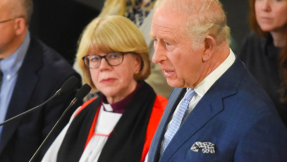
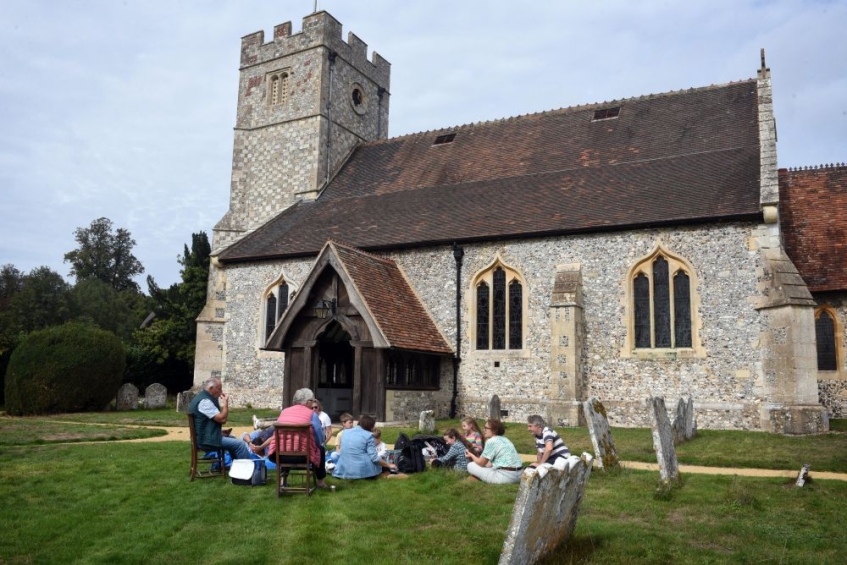
In her presidential address to the new Synod after King Charles III inaugurated it on Tuesday, she said: “Our clergy, churches and parishes are not a burden to manage - they are the treasures of the Church of England. God is already and always at work in our communities. And it is in our parishes that people hear and receive the good news.”
That had StP supporters clapping in the chamber as did this part of her address:
“Too many clergy are struggling: serving multiple parishes, dealing with huge administrative workloads, and feeling isolated. Many clergy and lay people serve their churches with little resource in challenging circumstances. There is mistrust of the institutional church, which is too often experienced simply as a set of expectations, rather than a source of support and encouragement.”
In an article in The Telegraph on Wednesday, historian Bijan Omrani, a new lay member of the Synod for Exeter Diocese and a frontline churchwarden, called her address “extraordinary”.
“I now consider that she may be laying the foundations for a brilliant tenure which could restore the vigour of the Church,” he wrote.
He pointed out that “the Church is under great strain. Despite recent good news - churchgoing is at a five-year high, and there has been a surge in adult baptisms - regular attendance is still nowhere near pre-pandemic levels”.
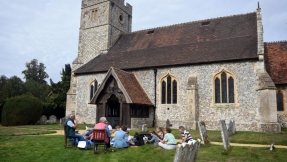
He continued: “Everywhere, centuries-old parish churches struggle to fund basic maintenance and heating. Clergy, asked to look after multiple parishes, are overworked and frequently demoralised. Overstretched volunteers are called on not just to do fundraising and flower-arranging, but even to take on parts of the pastoral and worship duties of vicars, but unpaid.”
Omrani blamed the demoralisation on the “managerial ethos developed by the previous archbishop, Justin Welby, which was obsessed with novelty, and despised the Church’s historic character”.
He declared: “Sarah Mullally’s speech shows that she has completely discarded Justin Welby’s approach. She has made a number of visits to different dioceses and parishes since her enthronement in March on a listening exercise. And, unlike many politicians on such journeys, it seems she has actually listened.”
Archbishop Mullally also has the advantage of a considerably more equable temperament than her predecessor.
The atmosphere in the Synod chamber during the sessions this week was noticeably calmer than when Justin Welby was in charge. At certain explosive points in previous proceedings, from the press gallery I would not have been surprised to have witnessed scuffles breaking out in the chamber or even punches being thrown.
Fortunately for its reputation - badly scarred by safeguarding scandals - the established Church was spared actual physical disorder in Synod sessions in the Welby era but the atmosphere was very bitter at times.
If Archbishop Mullally succeeds in leading the national Church away from the managerialism that has demoralised its frontline clergy and volunteers, and takes it back to prioritising parish ministry, that would be hugely positive for its mission.
However, the C of E remains deeply divided over the nature of marriage and sexual morality.
Those divisions were evident particularly during the Synod Q&A session on Tuesday evening as LGBT campaigners pressed for doctrinal change, albeit more politely than on previous occasions.
If only the C of E could unite under its historic biblical doctrines forged in the 16th Century English Reformation, it could experience a spiritual recovery in serving its parishes and be effective and fruitful in proclaiming Christ to the nation.
Julian Mann, a former Church of England vicar, is an evangelical journalist based in Lancashire.