The National Churches Trust (NCT) has said that over 1,000 listed churches, chapels, meeting houses and cathedrals are considered “at risk”, with the situation worsening thanks to changes in a government support scheme.
The NCT pointed to Historic England’s annual Heritage at Risk Register, which now includes 1,032 churches, chapels, meeting houses and cathedrals.
Since last year’s register 69 buildings have been added to the list and only 12 removed.
The vast majority of at risk buildings belong to the Church of England (923), with the Catholic Church a very distant second with 45 buildings deemed at risk.
The NCT noted that while some buildings are being removed from the “at risk” category, they are doing so at a much slower rate than previously. This year’s figure of 12 places of worship removed is the lowest in at least five years and is well below the 65 removed in 2022.
The NCT said that the core reason for the situation was the government’s decision to replace the Listed Places of Worship Grant Scheme with the Places of Worship Renewal Scheme.
The new scheme not only has a lower budget, but crucially, no longer exempts places of worship from VAT for repair work.
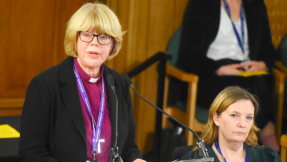
The changes led to widespread concern among church leaders and heritage organisations. Earlier this year the then moderator of the Church of Scotland General Assembly, Rosie Frew warned that ending the previous scheme threatened ongoing viability of some its buildings. Just this week, the Archbishop of Canterbury Sarah Mullally said the imposition of VAT on repairs had placed an "intolerable burden" on churches.
Sir Philip Rutnam, chair of the NCT, and chief executive Claire Walker said it would lead “to more churches being at risk of closure and further damage to historic buildings”.
Both warnings appear to have been proven correct. More places of worship have indeed been placed on the “at risk” register and the Church of Scotland has given up ownership of Brechin Cathedral.
Following the release of the latest Historic England register Walker commented, “We need a comprehensive approach to save these treasured buildings, which includes a better grant scheme and VAT relief for churches just like museums.
“Everyone must play their part - denominations, heritage organisations and governments - to ensure volunteers have the support and resources they need to take care of these important buildings and to keep them open and in use.”