
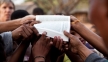
|PIC1|On Monday, government officials in Pakistan announced a three-phase plan to return home the 1.7 million people currently registered in government-run camps and the thousands of citizens sheltered in private residences.
Last week, Pakistan's military said it had “eliminated” extremists in the Swat Valley and the surrounding area but interviews with displaced citizens suggest that many have doubts about the level of safety there.
According to Edward Kibirige, World Vision’s response manager for the IDP crisis, there is some hesitation among IDPS to return to the Swat Valley.
"The army promised us twice before that they cleared the area, but then Taliban came again and again to Swat,” shopkeeper Shamsher Ali, 55, told Agence France-Presse. “Perhaps this time the Taliban will come again to Swat.”
Before making a decision to send the entire family, some families, according to Kibirige, have sent one or two male members to first scout out the situation in terms of security.
“Many people do not know the condition of their village or homes, yet the desire and willingness to return home is strong, depending on where people are from,” the World Vision leader added.
It is believed that about 70 per cent of the IDPs from Buner had already started making their way back by the time the government started its return process on July 13.
Based on a schedule of return drafted by the government, buses and trucks with escort security vehicles are transporting families back to their mountain villages from camps and host communities, where the majority of IDPs sought refuge.
“The government stresses that all returns are voluntary which has been one of the key issues for the humanitarian community,” said Kibirige.
With the return of IDPs picking up momentum, World Vision is now looking to redirect part of its relief efforts to areas of return to ensure the immediate needs of families, particularly children, are met and start the long-term recovery.
So far, the relief and development agency has focused its resources on meeting the needs of IDPs in host communities that have borne the burden of caring for thousands of people, often strangers.
Since the latest conflict between government forces and Taliban militants broke out, World Vision has been providing family kits, water purifiers and six-month cash support to particularly vulnerable families and has also been providing psychosocial support for children through two child friendly spaces in Buner.
In addition to causing an unprecedented movement of people, the recent conflict also destroyed homes, infrastructure and livelihoods as households were forced to abandon their fields during harvest, losing much of their produce.




-

More than one in four US Protestant churchgoers believe some biblical truths become outdated
-
Wycliffe celebrates ‘remarkable moment’ as Bible translation advances at rapid pace
-

Could the Church face a ‘silver uprising’?
-

Christian leaders issue ‘sober and urgent call’ for Western Church to prepare for disruption
-

Church in Wales pauses plans to allow gay marriage
-

Christian social worker returns to Court of Appeal in dispute over withdrawn job offer
Most Popular
News

Majority back Ireland’s three-day abortion waiting period, poll finds
A new poll has found majority support for retaining Ireland’s mandatory three-day waiting period before an abortion, as lawmakers continue to consider legislation that would remove the requirement.

ONS figures show 'good' outlook for married couples
The Coalition for Marriage (CFM) has welcomed new figures suggesting that married couples are increasingly staying together.
Christians condemn sexual violence following UN report on Russia-Ukraine conflict
Most cases of sexual violence documented were against male prisoners of war.

Peterborough Cathedral opens exhibition on Mary, Queen of Scots
Peterborough has opened a new exhibition on Mary, Queen of Scots, that will remain in place until 15 November.








