
The World Council of Churches tentatively passed several changes in the ecumenical body’s decision-making and membership rules during a conference held in Minsk, Belarus, on June 16-19, 2004.
Chaired by the Steering Committee of the Special Commission on Orthodox Participation in the WCC, attendees to the Belarus reviewed plans for a “progressive introduction of a consensus methodology” as opposed to the current majority-minority vote system currently utilised by the council.
According to the Steering Committee, such a plan would provoke a “new ethos and culture” with the potential “to strengthen and deepen the fellowship of churches,” since it would overcome the traditional divide between the majority and minority votes.
The WCC general secretary, Rev. Dr Samuel Kobia, also agreed that the consensus approach would strengthen the WCC’s efforts in dialogue and advocacy.
"Consensus opens the way to a new, more spiritual, culture for WCC," Kobia said.
The proposals will be tested during the WCC’s general meeting in 2005.
In addition to the methodological changes, the Committee also developed theological reflections on the issues of ecclesiology, which will be finalised and presented at the Council’s ninth assembly in 2006.
According to the Bishope Rolf Koppe, co-chair of the Belarus meeting, the Committee was able to take up “some of the most difficult questions that faced us in the Special Commission," and affirmed the commitment of churches to work and pray together while recognizing what continues to separate them
The Committee also identified several “divergences in ecclesiology” that had prevented the development of a fully ecumenical council. The WCC Faith and Order Commission will prepare the full statement on ecclesiology to present to the 2006 council.
Speaking after the event, Metropolitan Gennadios of Sassima who co-chaired the conference, emphasised the remarkable level of "trust, mutual confidence, and commitment" that characterised the work of the Committee and could provide an example for other areas of ecumenical work. "Of course, many difficulties persist, but we have reached a stage in our work where we can overcome hostilities, and find a common language and a new quality to our unity."
The Special Commission on Orthodox Participation in the WCC began in 1998 upon the request of several of the WCC’s Orthodox member churches. Following the report of the Special Commission in 2002, the Steering Committee has overseen the implementation of a series of recommendations.
Pauline J. Chang
Ecumenical Press




-

Thousands sign petition against drag show after advert showed baby Jesus in nipple tape
-

Wes Huff confesses to plagiarism, asks for prayer: 'It was sinful'
-
Jonathan Aitken says Russell Brand asked him for prayer after rape conviction
-

Where is this ‘space for faith’ that the King speaks of?
-

Attacks on Christians in Europe rise by 44%, report finds
-

‘Beyond astonishing’ that schools are encouraging children to play GTA 6, Christian group says
Most Popular
News
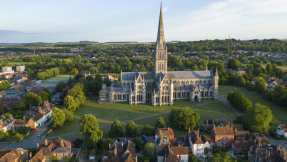
Salisbury Cathedral contributes £35m to British economy every year
It costs £22,000 a day to keep the cathedral running.
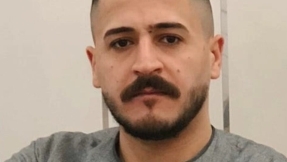
Calls for Egypt to release Christian convert facing death sentence
Six US lawmakers have called on Egypt’s president to release Said Abdelrazek, a Christian convert who has been detained since July 2025 and could face the death penalty.
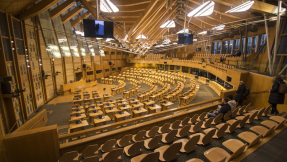
Scottish Greens face criticism over calls to decriminalise abortion
Pro-life campaigners have called on Scottish ministers to reject proposals to decriminalise abortion and scrap the requirement for two doctors to approve it.
Persecuted Christians speak of power of faith and forgiveness
Nigeria and North Korea are both in the world's top 10 persecutors of Christians.





