
In a report released today by Voice of the Martyrs, the persecution watchdog group documented recent cases of severe physical abuse, confiscation and destruction of property, extortion, kidnapping, forcible marriage and the unlawful imprisonment of evangelical Christians in the Southern Region of Ethiopia.
In the most recent incident, a Christian student was repeatedly stabbed by assailants as he returned home from school on February 1, 2005, VOM reported. "His family has appealed to authorities but if past experience is any indication, a proper investigation is unlikely," the watchdog group added.
VOM also learned that, on the same day, in Alaba, Hajji Husman Mohamed and his family were severely beaten, including his pregnant wife. For more than an hour, the attackers physically abused everyone in the house, VOM wrote. Hajji, a former Muslim Imam, has reportedly suffered several times since his conversion to Christ in March 2003. Last December, all of his property was taken from him, including his furniture, cattle, and a year's supply of grain.
VOM has also received reports that, in early January, thirty-two believers were chased out of the village of Besheno, located approximately 30 km northeast of Alaba. "The Muslims who organised the attack are now checking every vehicle entering the community to ensure that no Christians return," VOM stated.
Sources say the Ethiopian Constitution has allowed a certain degree of flexibility in administering justice given the remote nature of much of Ethiopia. It provides, for example, legal standing to some pre-existing religious and customary courts and gives federal and regional legislatures the authority to recognise other courts. By law, all parties to a dispute must agree before a customary or religious court may hear a case. Shari'ah courts may hear religious and family cases involving Muslims. In addition, other traditional systems of justice, such as councils of elders, continue to function in the country. Although not sanctioned by law, these traditional courts typically resolve disputes for the majority of citizens who lived in rural areas and who generally have little access to formal judicial systems. "Unfortunately, this also opens up the system to abuse, such as is being seen in the region near Alaba," VOM reported.
According to VOM, the Alaba self-governing administration is the first regional office in Ethiopia to have requested the government to implement Shari'ah law. Ninety-nine percent of the population in Alaba is Muslim, with less than one percent being Ethiopian Orthodox. The tiny fraction remaining is Evangelical. Islam is the identity of the Alaba tribe. As one church leader put it to VOM sources, in this town, "Islam means Alaba and Alaba means Islam."
VOM asks for the Christian community to pray for those who continue to serve Christ in Ethiopia, despite the many difficulties that they face. "Pray for safety for Hajji and others suffering injustice and pain for their faith."
Kenneth Chan
Ecumenical Press



-

Thousands sign petition against drag show after advert showed baby Jesus in nipple tape
-

Wes Huff confesses to plagiarism, asks for prayer: 'It was sinful'
-

Jonathan Aitken says Russell Brand asked him for prayer after rape conviction
-

Where is this ‘space for faith’ that the King speaks of?
-
Attacks on Christians in Europe rise by 44%, report finds
-

‘Beyond astonishing’ that schools are encouraging children to play GTA 6, Christian group says
Most Popular
News
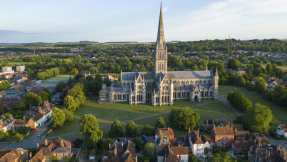
Salisbury Cathedral contributes £35m to British economy every year
It costs £22,000 a day to keep the cathedral running.
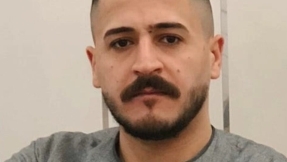
Calls for Egypt to release Christian convert facing death sentence
Six US lawmakers have called on Egypt’s president to release Said Abdelrazek, a Christian convert who has been detained since July 2025 and could face the death penalty.
Scottish Greens face criticism over calls to decriminalise abortion
Pro-life campaigners have called on Scottish ministers to reject proposals to decriminalise abortion and scrap the requirement for two doctors to approve it.
Persecuted Christians speak of power of faith and forgiveness
Nigeria and North Korea are both in the world's top 10 persecutors of Christians.





