
"As they entered the tomb, they saw a young man, dressed in a white robe, sitting on the right side; and they were alarmed. But he said to them, "Do not be alarmed; you are looking for Jesus of Nazareth, who was crucified. He has been raised; he is not here. Look, there is the place they laid him. But go, tell his disciples and Peter that he is going ahead of you to Galilee; there you will see him, just as he told you." So they went out and fled from the tomb, for terror and amazement had seized them; and they said nothing to anyone, for they were afraid." (Mark 16:5-8, NRSV).
At Easter, Christians readily embrace the joys of the season. Pleasant weather finally arrives; crocuses burst forth from the thawing ground; birds begin to greet us with their early-morning song. Colored eggs appear on our tables; bunnies mysteriously deliver baskets filled with chocolate and jellybeans to our children; new clothes make their debut at church services.
We should enjoy all these blessings; after all, God has given us natural wonders, and we have responded with wonderful creativity to express our appreciation for these gifts. But sometimes we have to ask ourselves, where is the fear and amazement that characterized the first Easter?
Certainly the followers of Jesus were perplexed and afraid. Their Lord had just died a horrible death. He had been taunted, scourged, beaten, and crucified; he died with an agonizing cry of abandonment and pain. The ridicule heaped upon him as he suffered his torment was compounded by the indignity of being buried without proper preparation of his body. Now he was raised?
In the words of the Orthodox Paschal hymn, "Christ is risen from the dead, trampling down death by death, and bestowing life upon those in the tomb." Our belief as Christians is that, as revealed on that first Easter morning, God has wrought salvation in this mysterious way, by "trampling down death by death." Perhaps we don't experience fear and amazement today because we no longer see the contradiction inherent in this story. Perhaps it is because we don't really understand that our calling is to follow Christ step-by-step through this paradox.
Yet it is precisely this understanding -- that God is with us in our most vulnerable moments -- that is at the heart of the Gospel that we proclaim and which enables us to witness to the universal love of God. How else to provide comfort to the millions suffering from war in the Middle East? How else to offer hope to the millions suffering from HIV/AIDS in Africa? How else to bring joy to the millions suffering from starvation throughout the world?
Certainly, we should work in every possible physical way to bring peace, healing and sustenance to all people. Our calling requires it. But as Christians, we also have a faith to share, and it is only by comprehending with fear and amazement the paradox of Christ's death that we can genuinely share with others the fruit of his resurrection.
National Council of Churches
news@ncccusa.org
Ecumenical Press




-

Thousands sign petition against drag show after advert showed baby Jesus in nipple tape
-

Wes Huff confesses to plagiarism, asks for prayer: 'It was sinful'
-
Jonathan Aitken says Russell Brand asked him for prayer after rape conviction
-

Where is this ‘space for faith’ that the King speaks of?
-

Attacks on Christians in Europe rise by 44%, report finds
-

‘Beyond astonishing’ that schools are encouraging children to play GTA 6, Christian group says
Most Popular
News
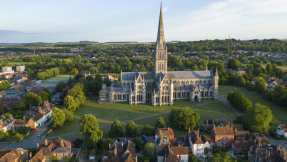
Salisbury Cathedral contributes £35m to British economy every year
It costs £22,000 a day to keep the cathedral running.
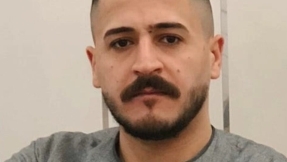
Calls for Egypt to release Christian convert facing death sentence
Six US lawmakers have called on Egypt’s president to release Said Abdelrazek, a Christian convert who has been detained since July 2025 and could face the death penalty.

Scottish Greens face criticism over calls to decriminalise abortion
Pro-life campaigners have called on Scottish ministers to reject proposals to decriminalise abortion and scrap the requirement for two doctors to approve it.
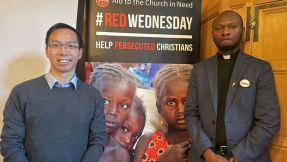
Persecuted Christians speak of power of faith and forgiveness
Nigeria and North Korea are both in the world's top 10 persecutors of Christians.





