
In United States, religious court cases are prevalent. Legalization of gay marriages, Supreme Court decisions to remove the Ten Commandments and other religious symbols from public property, the federal Court of Appeals ruling to remove “under God?from the Pledge of Allegiance, are all the most challenging legal issues.
As the hearing of these lawsuits continues, there are a lot of debates between opposite groups in such a democratic social setting. For some of the cases like the removal of ten commandment monument, endless fight appeared to be going on even when the decision of court has been announced. It is obvious that religious related events cannot solely be resolved by the statement of justice written on the constitution and Bill of Rights.
Probably there is a law other than the worldly law exists inside man- conscience, as the Bible has revealed. According to Gallup Poll, 77 percent disapproved the federal court’s decision ordering the Alabama chief justice to remove a monument to the Ten Commandments.
“People did not like the Ten Commandments being removed, but more said religious symbols should not be on public buildings,?Albert Winseman of the Gallup Organization said, again noting the ambivalence of the public.
When asked why people file lawsuits opposing religion and whether they are trying to turn the U.S. into a godless society, 62 percent answers no.
55 percent said people who file such lawsuits are trying to protect themselves and others for having religion forced on them.
“This says Americans believe freedom from religion should be protected as well,?Winseman said.
Not only the on-going debates results in disturbance of social harmony and waste of resource, they has also become a great challenge of modern churches.
Many religious leaders have commented that Secularism has threatened Christianity in the Western countries. The numbers of lawsuits arguing for the freedom from some religion practices increases in the name of protecting the liberty. While the United States is used to be a Christianity country, the dangerous phenomena “separation of church and state?is discovered. In the midst of the threat, the churches will have to reinforce the accurate Christian biblical teachings; otherwise, Christians may begin to compromise their faith with the worldly values, resulting in the decline of Christianity.
George W. Bush is said to be one of the most overtly religious presidents in recent times. Keeping United States to remain as a Christianity dominated country will need both the effort of Christian churches and secular leader.




-

Edinburgh University ends divinity programmes as theology faces a changing future
-

Why the Archbishop of Canterbury’s award controversy matters
-

More than one in four US Protestant churchgoers believe some biblical truths become outdated
-

Catholicism in France has 'collapsed'
-

Christian leaders issue ‘sober and urgent call’ for Western Church to prepare for disruption
-

Australia's anti-therapy laws harm the most vulnerable - Britain should not copy them
Most Popular
News

Active faith linked to happier marriages and lower divorce rates, study finds
People who regularly attend church are more likely to report happy marriages, according to a new report examining the relationship between faith and family life.
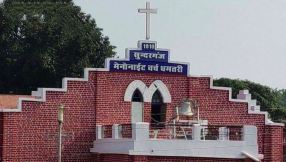
Indian churches fearing anti-conversion laws tell non-Christians: enter at your own risk
Churches in Dhamtari, a town in the central Indian state of Chhattisgarh, have put up notices warning non-Christians that they enter at their own risk, weeks after a law against religious conversion came into force in the state.

£1k bursaries to help churches develop youth and community mentoring programmes
Churches across the UK are being offered bursaries to help them establish mentoring programmes aimed at supporting young people and others in their communities.
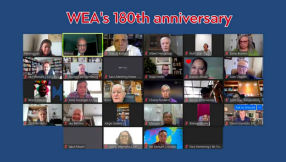
World Evangelical Alliance celebrates 180th anniversary
The World Evangelical Alliance (WEA) has held an online celebration to mark its 180th anniversary. Hundreds of people from more than 22 countries attended, and the event was rebroadcast to accommodate different time zones.








