What comes to mind when we hear the word 'foodbank'? My hunch is that you might think about last week's opening question in the leaders debate, the donation point in your local supermarket or the cartoon about queues outside foodbanks in this week's Times. I wonder if anyone reading this would immediately say 'hope'.
But foodbanks do give hope. It's one of the most common things people say to us when they're at a point of crisis and have been helped: 'you've given me the hope I needed to carry on', 'this is a lifeline', 'you've made me feel human.'
I can't help but feel that what foodbanks actually do can get lost in all the noise. And the noise is in danger of obscuring the need, so that the voices of people who need help are not being heard. Instead people in poverty are seen as numbers, or they're written off as feckless or 'undeserving'. More and more TV shows and news articles are trying to convince us of this myth, rather than talking about the fact that hunger hurts. Hunger is painful, both physically and mentally, and - it may seem obvious - but people rarely choose to be poor.
A doctor came to one of our foodbanks recently, not to give help, but to receive food. She had cancer and had been working reduced hours throughout her treatment, on top of this her relationship had broken down and the crisis escalated to the point where she couldn't afford food. She was considering giving away her two dogs, her main source of comfort and companionship, and had little in the way of hope. At the foodbank people sat down, chatted and listened, she was given emergency food as well as pet food. She told us it made such a difference, and gave her hope for the future when she had been facing losing the pets who had been her 'absolute lifeline' during cancer treatment.
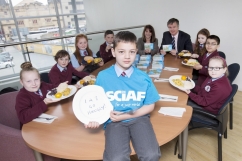
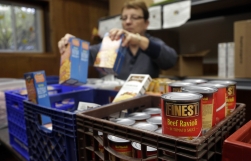
It's unusual to hear much about the thousands of volunteers who give their time to foodbanks each week, or the millions of people who have donated food this year, but the fact that they do is vital. At the heart of the foodbank furore are some simple truths that we must not lose sight of, and which seem very apt to remember at Easter. For Christians, Easter is about turning suffering into hope and new life. That's what foodbanks aim to do too – to help people out of poverty and suffering, bringing hope.
And one of the main ways that this happens is through kindness. Through recognizing each person's inherent value. Daphine Aikens, who manages Hammersmith and Fulham Foodbank told the New Statesman
"Part of our faith is that we want to serve and to love, and believe people are of value," she explained. "Lots of people haven't ever been told they're of value. Here we can tell people they're of value, that they deserve the food."
I can't help but think that if Jesus was here today He would be volunteering at foodbanks, sharing food, listening non-judgementally. He'd be standing up on behalf of the people who are being maligned. He wouldn't allow those who seek to stigmatise people who are struggling, or those who try to undermine people seeking to help stop poverty, to distract Him from siding with the people who matter and acting for them. And I think He would be pleased to see so many churches getting involved in practical action against poverty, as well as making a stand against it in the media.
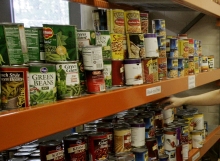
So when we hear about foodbanks on the news, or drop off a tin at the supermarket collection point, let's choose to remember that first and foremost this is about stopping real people in real need from going hungry, and that there is hope. But we have to choose to be part of making that hope possible.
Molly Hodson is head of media and external affairs for The Trussell Trust.