
Lord Roberts of Llandudno asked peers to consider “widening the scope of House of Lords prayers into devotions encompassing other Christian traditions and the faiths that are represented in the House”.
He suggested a minute of silence and reflection in addition to the prayers out of consideration for the diversity of faiths and denominations in the House of Lords and wider society.
The proposal was met with opposition from the Chairman of Committees, Lord Brabazon of Tara, who said there were no plans to change the prayers.
He noted that the practice of prayers in the House of Lords went back to the 1500s and that change might be “premature”.
“Recent changes to the form of prayers included allowing a choice from a range of Psalms, which was agreed by the House in 1970, and again in 1979, and one or two other minor changes," he said.
“It might be a little premature to consider changing them now.”
Lord Brabazon added: “I do not believe that there is anything in the prayers which could possibly be seen as offensive to members of other religions.”
Prayers are conducted by a bishop at the start of each sitting of the House of Lords but attendance is voluntary, not compulsory.
While Lord Hughes of Woodside, an honorary vice-president of the British Humanist Association, said his personal preference was that there be no prayers in the House of Lords at all, other peers spoke in favour of the status quo.
Lord Anderson of Swansea said “many” of the peers in the House of Lords were “wholly satisfied with the timeless sentiments and superlative prose of the present prayers”.
Lord Cormack said: “Many in this House who are not of the Christian faith, such as my noble friend who sits beside me who is a Hindu, warmly welcome the sentiments contained in the Prayers and the majesty of the language in which they are uttered.”




-

Wycliffe celebrates ‘remarkable moment’ as Bible translation advances at rapid pace
-

Could the Church face a ‘silver uprising’?
-

Christian leaders issue ‘sober and urgent call’ for Western Church to prepare for disruption
-

500 million Christians worldwide face Bible access restrictions, report finds
-

Church in Wales pauses plans to allow gay marriage
-

800 years on: Why St Francis of Assisi still captivates the world
Most Popular
News
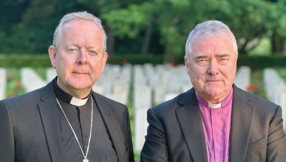
Irish archbishops urge peace and reconciliation amid Drumcree stand-off
Ireland’s Catholic and Church of Ireland archbishops have appealed for an “urgent” initiative to resolve the Drumcree parade dispute and asked Christians to pray for peace.
Former priest Chris Brain convicted of rape as Church review set to begin
Former Church of England priest Chris Brain has been convicted of rape and four counts of indecent assault following a retrial.
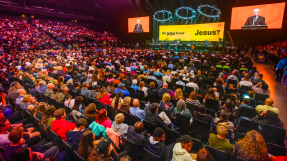
Franklin Graham preaches with warning from Sodom in Manchester
Franklin Graham used the biblical story of Lot’s flight from Sodom to urge thousands in Manchester on Saturday night to seek forgiveness through Christ and accept His gift of salvation.
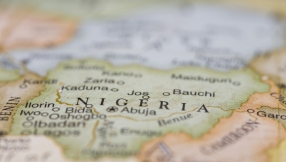
More than 4,200 Christians killed in Nigeria this year - report
More than 4,200 Christians have been killed in Nigeria so far this year, according to a new report calling for stronger action to protect communities facing violence across the country’s Middle Belt.








