El Nino is forcing children in South Africa out of school and into work

The 1997–98 El Niño observed by TOPEX/Poseidon. The white areas off the Tropical Western coasts of northern South and all Central America as well as along the Central-eastern equatorial and Southeastern Pacific Ocean indicate the pool of warm water. (NASA)

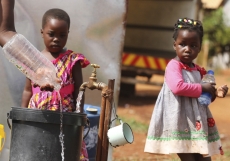
Children in the South Africa region are being forced out of school and into work because of El Niño, a climate cycle in the Pacific Ocean with a global impact on weather conditions, according to a report by three leading aid agencies.

Findings by a Child Protection Rapid Assessment (or CPRA, a consortium comprising of World Vision, Unicef and Plan International) found that El Niño was severely impacting on children, some of whom are also being forced into early marriages.

The report, which is based on insights from experts in nine countries in the South Africa region, looks into the impact of slow-onset emergencies on children.

Nearly 80 per cent of respondents said that the rate of school drop-outs had increased since the start of El Niño, while nearly 70 per cent also reported an increase in incidents of child labour, the most common forms of which are domestic work, followed by 'sexual transactions'.

One of the report's authors Tracy Shields, World Vision UK's senior child rights programme adviser said: "Southern Africa has suffered the brunt of the worst of El Niño...that has seen long droughts, scorching temperatures, water shortages and flooding. While the effects of the strongest El Niño in 35 years are dissipating and scientists have declared it over, the sting in its tail are causes of a great worry. The consequences stretch beyond hunger and food shortages with tens of thousands dropping out of school, migrating out of impoverished areas and facing separation families. Our report's findings show that El Niño's impacts are worsening the lives of children in a number of areas with any facing sexual exploitation, violence, child labour and psychosocial distress. We also know that 26 million children across Eastern and Southern Africa are at risk of malnutrition, water shortages and disease".

related articles
The world just keeps getting hotter: 2015 beats 2014 as warmest year on record

The world just keeps getting hotter: 2015 beats 2014 as warmest year on record

33,000 children severely malnourished in Zimbabwe: \'It\'s like losing an entire generation\'
33,000 children severely malnourished in Zimbabwe: 'It's like losing an entire generation'

33,000 children severely malnourished in Zimbabwe: 'It's like losing an entire generation'

Ethiopia in crisis: Drought leaves 15 million people vulnerable to starvation

Ethiopia in crisis: Drought leaves 15 million people vulnerable to starvation

Violence, displacement and mass exodus: Burundi's forgotten crisis, one year on

Violence, displacement and mass exodus: Burundi's forgotten crisis, one year on

Bishops step in with call for action as Malawi faces national food crisis

Bishops step in with call for action as Malawi faces national food crisis

News
Civil rights leader Rev Jesse Jackson dies at 84

The Rev. Jesse Jackson, a longtime civil rights activist and former presidential candidate who garnered controversy over his political activism and personal misconduct, has died at age 84.

Pastor considers legal action after arrest over comments on Islam and transgender ideology

The Alliance Defending Freedom warns of more such arrests if the government introduces its much-maligned definition of 'anti-Muslim hatred'.

Why do Christians observe Shrove Tuesday?

17 February 2026 is Shrove Tuesday, the traditional day for eating pancakes before the start of Lent. This is the story …

CoE announces £400,000 to get young people into choirs

Most CoE choirs currently have no children involved.