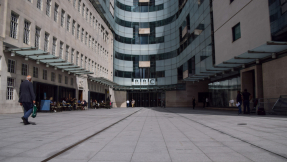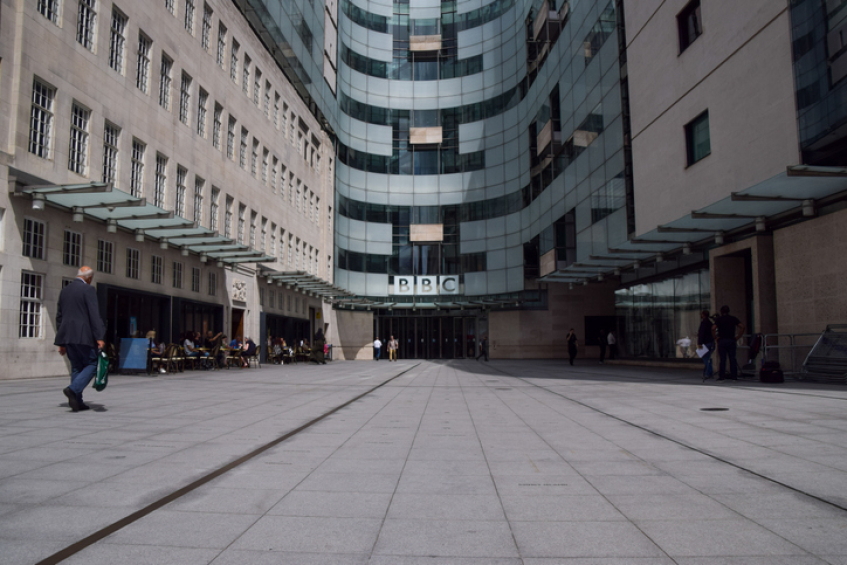
Love it or loathe it, the BBC might just be the best friend that Christians and churches have in the media. It produces almost 99 per cent of the UK’s broadcast religious programming.
But the beleaguered Corporation’s latest cuts have caused outrage in the Church of England and beyond and raised questions about whether the BBC really understands worship.
Plans to move the BBC’s 15-minute Daily Service from its current slot on Radio 4 Extra at 9.45am, to a 5.45am broadcast time on its local radio network have been met with uproar.
The changes to the Daily Service - the longest-running programme of its type anywhere in the world - have prompted calls for action at the CofE’s governing body, the General Synod. A private member’s motion, proposed by Philip Bilson, a former producer within the BBC’s religion department, is currently collecting support.
The BBC has defended the move, saying that the audience on local radio at the new slot is about the same as on Radio 4 Extra at the later time. They have also said that listeners can access the service at any time through the BBC Sounds app.
As a Christian minister who values both the BBC’s religion output, and the community role played by its network of local radio stations, this latest move seems wrong in so many ways.
And I say this as someone who both advocates in support of the Corporation and is well aware of the stringent cuts that have been forced upon it by successive governments.
Daily Service has built up generations of participants - much more than just passive listeners - since it was first launched back in 1928. But it has been the victim of a range of cuts in recent years. Until 1991, it was broadcast on all Radio 4’s FM frequencies but was then demoted to long wave.
When the long wave frequency was cut, Daily Service was moved to Radio Four Extra, which is now to be axed.
The move to early morning on local radio will greatly reduce its audience, who are less likely to be tuning in at that time of the morning. It also implies that the local radio network is where you place programming when you don’t know where else to put it.
Local radio has itself had to face major cuts in recent years - including cutting back the popular Sunday morning faith programmes, and replacing them with regionalised programming.
The Sandford St Martin Trust, which advocates for quality religious programmes, has expressed concern at BBC plans to further reduce its Sunday morning faith programmes from 15 to just six, covering England. The proposed change follows a reduction from 39 to 15 in 2023.
Tony Stoller, who chairs the Trust, said, “Faith is part of many people’s daily lives and of the communities these programmes serve. Cutting Sunday morning religious programmes from 15 to six risks losing voices and stories that deserve to be heard and denying local communities an important and valued service.”
But perhaps most telling in the BBC’s response to opposition to the changes to Daily Service is its defence that the programme will be available ‘on demand’ on its BBC Sounds app.
Worship is a communal activity, best appreciated when people gather together to pray, to sing, to listen to the Bible being read, and to reflect on its relevance for them.
The BBC describes Daily Service as “a space for spiritual reflection with a Bible reading, prayer and a range of Christian music”. This is all true. Yet, it’s much more than that for many. It’s an act of communal worship, a ‘coming together’ at a specific time of day.
Those opposing the BBC’s action may be a minority. The numbers participating in Daily Service may not be large.
But when the BBC has few friends in government, parliament or across the media, it’s making a key error when it decides to alienate Christian worshippers.
With key decisions about future funding now being discussed, the BBC needs all the friends it can keep.
Rev Peter Crumpler is a Church of England minister in St Albans, Herts, UK, and former communications director with the CofE.