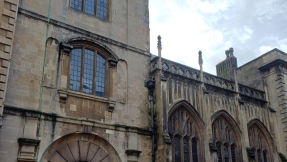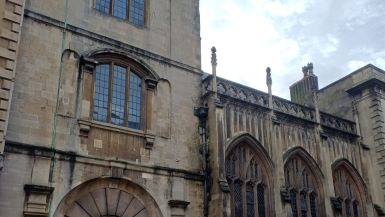
The Diocese of Bristol has published a consultation on the future of All Saints Church, Corn Street, which is believed to be the final resting place of Edward Colston - a controversial figure in recent years.
Colston, who died in 1721, was a Bristol-born merchant who used much of his wealth to support schools, churches and the poor in Bristol. However, he gained much of that wealth from his involvement in the transatlantic slave trade.
In 2020 a statue to Colston in Bristol was toppled and thrown into Bristol Harbour by protesters following the death of George Floyd in the US. The statue was later recovered and placed in a museum.
The Diocese of Bristol said its consultation on the future of All Saints had engaged with Bristol’s African and Caribbean heritage communities along with other stakeholders. The consultation later opened to all members of the public.
The consultation found “broad agreement” that the church should remain open to all and that future use of the site should “engage honestly” with the historical facts. An education centre, as opposed to a conventional museum, was found to be “the most consistently supported future use” of the building.
Many also saw the church as an opportunity to educate the public about Bristol’s own particular role in the transatlantic slave trade, as well as looking at Colston and the trade overall.
The consultation did not reach any conclusions about the monument to Colston and his likely burial place, with the diocese saying these issues required “fuller historical interpretation and context”.
The Rt Rev Neil Warwick, Acting Bishop of Bristol and Bishop of Swindon, said, “It is good that we have moved forward in how All Saints may be a place of learning and reflection.
"It is particularly important that we have listened to and been guided by Bristol’s African and Caribbean heritage communities.
"Together we have some clear steps for the next stage of this critical endeavour.
"Thank you to everyone who has contributed, most especially the wise and informed community consultants who have worked alongside us.”