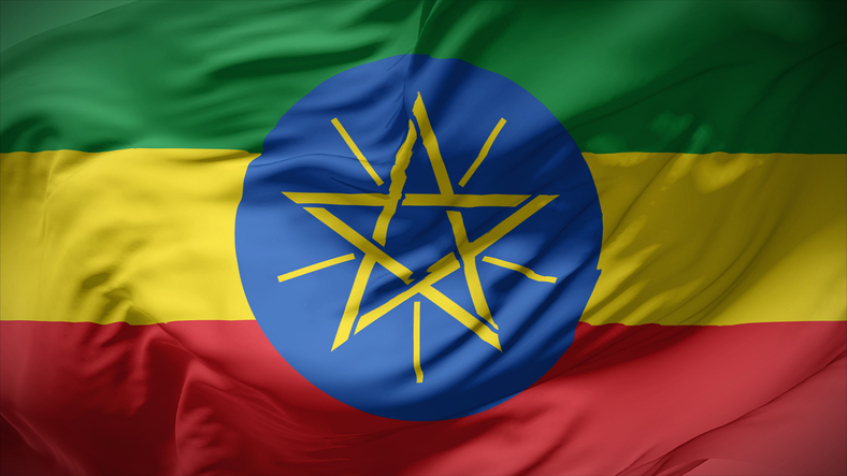
The British government has condemned anti-Christian violence in Ethiopia and said it is supporting the African nation’s Human Rights Commission in its investigations.
In October the Ethiopian Orthodox Tewahedo Church said that 60 people were killed in a series of attacks in Merti and Shirka districts of the Oromia region. A representative of the Church said that while security forces had arrived to combat the militants, they were unable to stop the massacre.
Following the attacks, the Church called upon the Ethiopian government to protect Christians and to bring the perpetrators of such attacks to justice.
The conflict in Oromia is primarily being fought by government forces and a group known as the Oromo Liberation Army, which claims to be fighting for the rights of the Oromo ethnic group. Both sides have been accused of human rights abuses.
The government alleges that the OLA was behind the October church attacks. The OLA, for its part has confirmed that its forces were operating in Shirka on the day of the killings. However, the group characterised the operation as retaliation for the shooting of an Oromo woman.
“In addition to proper combatants, the exchange has regrettably led to civilian deaths. The civilians who fell there were, however, part-time combatants … They were not simply civilians caught in the crossfire. That, in brief, is the sequence of events that led to the attack and the circumstance under which it occurred,” the group claimed.
The conflict has led to questions being raised in the British House of Commons. Conservative MP Desmond Swayne asked the government if it had “made representations to the Government of Ethiopia concerning the protection of civilians and the investigation of reported attacks”.
In a response, the government said, "We are concerned by reports of violence affecting communities in Ethiopia's Oromia region ... The UK condemns all violence against civilians, including attacks against places of worship and people because of their religion. We continue to call on all parties to engage in dialogue to address the underlying causes of conflict."
The government also said it was supporting “the Ethiopian Human Rights Commission's capacity to monitor, investigate and act upon violations affecting civilians".