The inquiry into the Iraq War delivers its long-awaited report today, with critics of the invasion hoping it will condemn former Prime Minister Tony Blair while some families of slain soldiers fear it may be a whitewash.
To be published seven years after the inquiry was set up when the last British combat troops left Iraq, the report runs to 2.6 million words – about three times the length of the Bible.
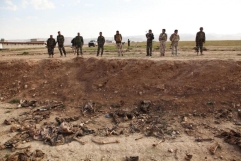
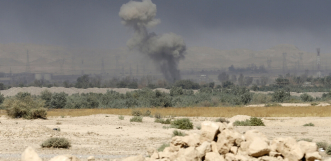
Iraq remains in chaos to this day. Islamic State controls large areas of the country and 175 people died on Saturday in Baghdad's worst car bombing since the US-led coalition toppled dictator Saddam Hussein.
The inquiry's purpose was for the British government to learn lessons from the invasion and occupation that followed, in which 179 British soldiers died.
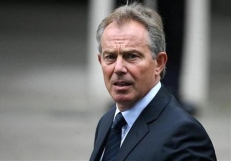
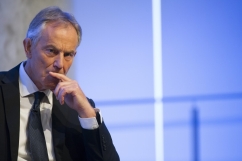
But opponents of Blair's decision to join the war will be poring over the report for its judgment on how the Labour leader, who quit in 2007, justified the military action. At the time, he said intelligence showed that Saddam had weapons of mass destruction but after the invasion none was found.
"I was lied to. The media, the press, the families, parliament, everybody was lied to," Reg Keys, whose son was among the British fatalities and who stood as a candidate for parliament against Blair in the 2005 election, told Reuters TV.
Blair has always rejected any suggestions he acted dishonestly, and a spokeswoman for him said she would not comment until the report was published.
The inquiry, headed by former civil servant John Chilcot, looked at the reasons for the invasion, the war itself and the aftermath – and has taken longer to complete than the British military involvement itself.
Public hearings, including two appearances by Blair, ended in 2011 but since then the writing of the report has been dogged by rows over the release of secret government files and the contacts between London and Washington. It will include details of notes from Blair to Bush and quotes from more than 130 records of their conversations.
Critics believe Blair, who sent 45,000 British troops for the invasion, gave Bush an unconditional promise that Britain would join military action and that he then distorted intelligence to back this up and put pressure on government lawyers to give the invasion legal approval.
Keys noted that Chilcot had said the inquiry would not play the blame game. "But I certainly hope it points the finger of accountability in the direction of the former prime minister who was the key player with all of this deceit," Keys said.
However, he said he feared the report might be watered down as those facing criticism have been allowed to respond prior to publication.
Chilcot played down this risk in a BBC TV interview on Tuesday. "I made very clear right at the start of the inquiry that if we came across decisions or behaviour which deserved criticism then we wouldn't shy away from making it," he said.
"Indeed, there have been more than a few instances where we are bound to do that. We are not a court – not a judge or jury at work – but we've tried to apply the highest possible standards of rigorous analysis to the evidence where we make a criticism."
His report is expected to be released sometime after 11 am.
Blair's apology
Blair has apologised that pre-war intelligence had been wrong and for mistakes in planning, but not for getting rid of Saddam.
He also accepted the war had played a role in the rise of Islamic State but believes it was far from the only factor.
"I've said many times over these past years, I'll wait for the report and then I will make my views known and express myself fully and properly," he told Sky News on Sunday.
MPs led by the Scottish National Party are considering invoking an ancient law, last used in 1806, to impeach Blair in parliament.
"You cannot have a situation where this country blunders into an illegal war with the appalling consequences and at the end of the day there isn't a reckoning," the SNP's Alex Salmond told Sky News.
The Sunday Times also reported that Labour leader Jeremy Corbyn – whose own position is in jeopardy after Britain voted last month to leave the European Union – was simply hanging on because he wanted to "crucify Blair".