
The Central Committee referred to the conflict as “a moral challenge for the international community” and condemned “the mass atrocities committed against innocent civilians in Darfur”.
It went on to urge the Sudanese government to protect its citizens regardless of ethnicity and to “allow uninterrupted humanitarian assistance to reach all suffering people in Darfur”.
It calls on the Sudanese government to honour the Comprehensive Peace Agreement signed with the Sudan People’s Liberation Movement in 2005 and urges African nations and the international community to support the peace process “through constructive dialogue with all parties involved in the conflict”.
The statement also notes the assistance provided by the UN and African Union peacekeeping force in Darfur and the “significant role of the churches in Sudan in promoting interreligious dialogue and advocating for peace, justice, reconciliation and respect for the dignity and well-being of all the people of Sudan”.
The Central Committee statement on the financial crisis attacked the “greed manifested dramatically in the financial and economic systems of our times” and said that churches had been complicit in these systems by “relying on popular models of finance and economics that prioritise generating money over the progress and well-being of humanity”.
It said that economics was a “matter of faith” and called for the economic motive of surplus value, unlimited growth and “irresponsible consumption” to be replaced with a global economic framework based on honesty, social justice, human dignity, mutual accountability and ecological sustainability.
It also called for penalties for “excessive and irresponsible actions based on greed”.
On the crisis affecting the Democratic Republic of Congo, the Central Committee condemned crimes of sexual violence against women as well as churches in the country for failing to speak out.
“While the alarming situation of sexual brutalisation of women continues in the DRC, it is deplorable that churches are not coming forward to condemn these evil atrocities,” the statement read.
The statement also called on the UN to protect civilians in Congo, particularly women and girls, and urged member churches to continue praying for God’s intervention to end the violence.
Statements were also issued by the Central Committee condemning Israeli settlements in Palestine, caste-based discrimination in India, the misuse of the blasphemy laws in Pakistan, action taken by the Fijian government against the Methodist Church, the violation of human rights in Nigeria, and violence in Colombia.
Other statements called for a nuclear free world, the right of conscientious objection to military service, and for wealthy nations to pay their ecological debt to mineral rich countries in the Global South.




-

Why the Archbishop of Canterbury’s award controversy matters
-

More than one in four US Protestant churchgoers believe some biblical truths become outdated
-

Christian leaders issue ‘sober and urgent call’ for Western Church to prepare for disruption
-

Australia's anti-therapy laws harm the most vulnerable - Britain should not copy them
-

Songs of Praise celebrates 65 years with special anniversary episode - and finds a new generation online
-

First segments of Eternal Wall of Answered Prayer near Birmingham completed
Most Popular
News

Disabled baby euthanized in the Netherlands
Doctors in the Netherlands euthanized a severely disabled one-year-old child, the first case reported by Dutch authorities under rules introduced in 2024 that allow ending the lives of seriously ill children between the ages of one and 12.

400% increase in euthanasia deaths in Australian state of Victoria
Right To Life UK said the surge in numbers showed why UK MPs were right to reject assisted suicide.
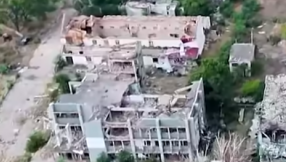
Ukrainian churches appeal for aid in starving Oleshky
Russia and Ukraine have blamed each other for the crisis in Oleshky.

Westminster Abbey plans memorial to JRR Tolkien
The memorial will go next to that of his friend CS Lewis.








