
Vatican officials have denied charges made by a doctor who alleges that Pope John Paul II's death was caused by euthanasia since he was not fitted earlier with a feeding tube.
In an article in the Italian magazine Micromega, Dr Lina Pavanelli, an anesthesiologist, argues that the late pontiff should have been fitted with a feeding tube earlier than March 30, 2005 - three days before his death - when the Vatican announced that he had been fitted with a nasal feeding tube.
The delayed insertion of the feeding tube deprived him of necessary medical care that could have prolonged his life, thereby violating the Roman Catholic Church's teachings on euthanasia, according to Pavenelli.
She also postulates in the article that it was probably John Paul who refused the feeding tube even though the Pope's physicians may have explained the situation to him.
"When the patient knowingly refuses a life-saving therapy, his action together with the remissive or omissive behaviour of doctors, must be considered euthanasia, or more precisely, assisted suicide," concludes Pavenelli.
The Vatican immediately dismissed the charges made by the doctor, saying last Wednesday that the tube had been inserted well before they announced the procedure. Vatican officials also said Pavenelli based her accusations on news release and press reports since she did not have access to John Paul's medical records.
In response, Pavenelli defended her allegations last week in a news conference.
The Italian doctor acknowledged the possibility of John Paul being given a feeding tube earlier than the announced date but then changed her core argument, charging that John Paul should have been given a stomach feeding tube, since it has been proven to be more effective for longer periods of time, reported the Associated Press.
Although Pavenelli first made her claims in the magazine, the debate garnered wider media coverage when Time magazine featured Pavenlli's arguments in a published article entitled, "Was John Paul II Euthanized?" on September 21.
The Time article followed Pope Benedict XVI's clarification on September 14 that "the administration of food and water even by artificial means is, in principle, an ordinary and proportionate means of preserving life."
Many Catholics and bioethicists familiar with the Church's position have rebuked Time's portrayal of issue.
"To say the Pope was euthanised is simply another way of confusing the issue by the media," insisted Alex Schadenberg, executive director of the Euthanasia Prevention Coalition, in a LifeSiteNews.com report.
According to Catholic teaching, withholding "proportionate" medical care to patients - including water and feeding tubes - amounts to euthanasia. However, stopping "medical procedures that are burdensome, dangerous, extraordinary, or disproportionate to the expected outcome can be legitimate," according to the Catechism of the Catholic Church commissioned and approved by Pope John Paul II.
"The Time magazine story confuses the nature of extraordinary means with ordinary means of receiving treatment," said Schadenberg.
Dr Renato Buzzonetti, John Paul's personal physician of 27 years, confirmed that the pontiff received adequate medical care before his death, which the Vatican said was caused by septic shock and cardio circulatory collapse.
"It is not true that the medical treatment of the Holy Father was interrupted", the late pontiff's doctor told the Italian daily La Republica. "He was never left alone, without monitoring and assistance, as some people wrongly want to suggest."
Father Jonathan Morris, a Catholic priest who has made press appearances defending the Pope, called on Time to issue a public retraction of error for misrepresenting the issue.
In a commentary published last Wednesday on FoxNews.com, Morris wrote: "Debate is good, especially on issues which are rarely black and white. But let's base our debate on facts."
-

Teenagers in Britain come bottom of survey for life satisfaction
-

Third of young people now turning to AI for friendship, research finds
-
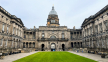
Edinburgh University ends divinity programmes as theology faces a changing future
-

From Genesis to Revelation: The ambitious AI project turning the Bible into music
News
-
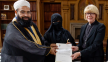
Archbishop of Canterbury withdraws award given to Muslim cleric who praised Bin Laden
-
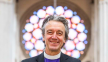
What links Tommy Robinson, Andrew Tate and the CofE’s newest diocesan bishop?
-

Edinburgh University ends divinity programmes as theology faces a changing future
-

Third of young people now turning to AI for friendship, research finds
-
No part of London should become a free speech, gospel exclusion zone
-
Most practising Christians are evangelical, study finds
Most Popular
News
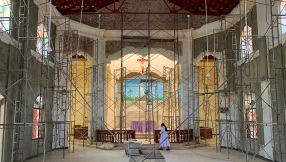
Cautious welcome as 15 men sentenced over Sri Lanka Easter Sunday bombings
Christian groups welcomed the convictions but say questions remain about who was involved.

Catholicism in France has 'collapsed'
A new report on Catholicism in France comes days ahead of Pope Leo XIV's visit.
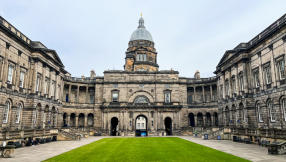
Edinburgh University ends divinity programmes as theology faces a changing future
It marks a significant change for an institution whose history has been closely intertwined with theological education for centuries.
Lib Dems to investigate treatment of the faithful as Campanale case rumbles on
The Liberal Democrats have begun a review into how it treats people of faith within the party.








