
GENEVA - The United Nations refugee agency criticised Sudan on Thursday for deporting at least 15 Ethiopian refugees back to their homeland, saying it had breached international laws.
The deportation took place on Sept. 27, but only came to the attention of the U.N. High Commissioner for Refugees (UNHCR) this week, the Geneva-based agency said in a statement, citing concerns about the refugees' safety in Ethiopia.
The 1951 U.N. Refugee Convention prohibits the forced return of people to countries of origin where they could face persecution.
The UNHCR said Sudan had previously pledged to stop deporting refugees back to Ethiopia after the agency raised concerns about a set of similar deportations in August.
"UNHCR was alarmed to discover that this commitment was not respected," it said, adding that the Sudanese government had not responded to repeated requests for information about the fate of up to 20 other Ethiopian refugees jailed in Sudan.
No information was immediately available about the identity of the Ethiopian refugees or why they faced danger at home.
The impoverished Horn of Africa country is fighting rebels in its troubled Ogaden region, ethnic Oromo rebels demanding greater autonomy and is embroiled in a border dispute with its neighbour Eritrea.



-

UN officials demand explanation for Iranian church seizure
-

AI could become a ‘very dangerous master’, warns John Lennox
-

Archbishop of Canterbury withdraws award given to Muslim cleric who praised Bin Laden
-

Calls for Church of England to be 'rooted in scripture' ahead of General Synod elections
-

Most practising Christians are evangelical, study finds
-
How the new General Synod could move beyond the present disagreement over same-sex relationships
Most Popular
News

People view religious education positively, study finds
The government is consulting on plans to add RE to the national curriculum.
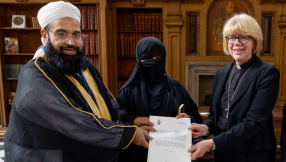
Archbishop of Canterbury withdraws award given to Muslim cleric who praised Bin Laden
Reform leader Nigel Farage said the decision to award Hafiz Muhammad Tahir Mehmood Ashrafi was "astonishing".
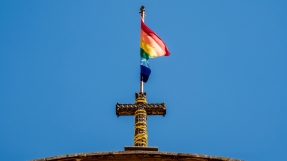
How the new General Synod could move beyond the present disagreement over same-sex relationships
How might the next Synod make progress in the next five years based on a recognition that there are those in the Church of England who hold fundamentally opposed positions on the matter? Is there a way of allowing both sides to achieve what they want? Martin Davie argues that the answer to this question is ‘Yes.’
No part of London should become a free speech, gospel exclusion zone
Soho is not exempt from freedom of speech and Christian expression. And Christians do not lose their fundamental freedoms when they cross an invisible boundary into a neighbourhood associated with a different worldview. The streets of London belong to all of us, writes Andrea Williams.








