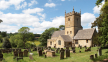
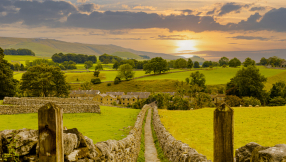
Lindisfarne is a peaceful island off the North East coast of England, known as the Holy Island for its long history of monasticism. But this same history saw it become the scene of horrific bloodshed as its monks were massacred in the one of the first of a terrifying wave of attacks on the British mainland by Viking raiders from across the North Sea.
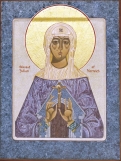
On June 8, 793, they landed on Lindisfarne, site of the famous Church of St Cuthbert. It was a place of pilgrimage, rich with relics, gold and silver devotional objects and precious manuscripts. The Vikings plundered the church and its surrounding area, killed or enslaved the monks and left the island devastated.
The main source of our knowledge of the raid is Alcuin, a scholar and royal counsellor who was a prolific letter-writer. He wrote to Ethelred, King of Northumbria: "Lo, it is nearly 350 years that we and our fathers have inhabited this most lovely land, and never before has such terror appeared in Britain as we have now suffered from a pagan race, nor was it thought that such an inroad from the sea could be made.
"Behold the church of St Cuthbert spattered with the blood of the priests of God, despoiled of all its ornaments; a place more venerable than all in Britain is given as a prey to pagan peoples..."
Alcuin suggested to the king that the disaster might have been the consequence of loose living at the court: "Consider carefully, brothers, and examine diligently, lest perchance this unaccustomed and unheard-of evil was merited by some unheard-of evil practice... Consider the dress, the way of wearing the hair, the luxurious habits of the princes and people."
He refers to "fornications, adulteries and incest", and says that "for sins of this kind kings lost their kingdoms and peoples their country". He also warns against the luxurious living standards of the rulers of the kingdom, saying: "The princes' superfluity is poverty for the people."
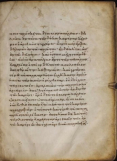
One of the treasures that survived the raid was the famous Lindisfarne Gospels, one of the great relics of the Anglo-Saxon world, though their jeweled cover was lost or possibly looted. Perhaps the Vikings simply failed to recognise their value.
The Vikings were not mindless savages, though their attacks on Britain were to continue for more than 200 years. They established a Danish kingdom based in York and England even had a Danish king, Canute, for 18 years (from 1017-1035).
But they are best remembered for their ruthlessness and the terror they inspired. As as prayer at the time put it: "From the fury of the Northmen, good Lord, deliver us."