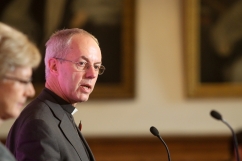
The Bishop of Durham spearheaded a move which defeated the government in the House of Lords last night.
Peers voted by a majority of 92 to force ministers to think again over plans to change the way child poverty is measured.
The government wants to scrap current indicators of poverty to focus instead on "drivers" of the problems such as inter-generational factors like worklessness and educational attainment. This would involve removing the previous measurement which focused exclusively on financial indicators and defined poverty as household income of 60 per cent less than the national median.
The motion tabled by the Bishop of Durham and voted through last night will force the government to include the income-related measurements in an annual report to Parliament.
Although he acknowledged income levels should not be the only indicator, Bishop Paul Butler said they were still highly significant.
"It is also possible to understate the importance of income, or the lack of it, especially among those of us who have plenty," said Butler.
"There is also a wealth of academic evidence pointing to the damaging effect income poverty has on children's wellbeing, including their health, education and future employment prospects."
Butler said his proposal would not reinstate an income-based definition of poverty but would ensure income was measured alongside social indicators.
However government ministers said adding income figures to a report would be a "symbol of the old world".
"This is of huge importance to us as we want to move away from these types of drivers and instead focus on the right type of actions," said work and pensions minister Lord Freud.
He said "life chances" were a much better way of understanding what was happening and directing resources to tackle the problem effectively.
The proposals were announced by work and pensions secretary Iain Duncan Smith last July to much dismay from child poverty campaigners.
It is the latest in number of government defeats in House of Lords where, unlike the House of Commons, they do not hold a majority. Liberal Democrat and Labour peers have joined forces to defeat the government numerous times, including on tax credits which prompted a u-turn from Chancellor George Osborne.
However, the government will have the opportunity to override the Lords when the bill is reconsidered in the House of Commons later this year.