Church stance on contraception under pressure in face of Zika virus

The Catholic church in Latin America is under growing pressure to relax its ban on artificial contraception as fears grow over the outbreak of the Zika virus.

Apart from carrying occasional warnings from the World Health Organisation online, the Vatican has remained silent on the crisis threatening vast swathes of Latin America, where the Pope himself comes from.

The Church's official view is that artificial birth control is not permitted under any circumstances, even to help prevent HIV infection.

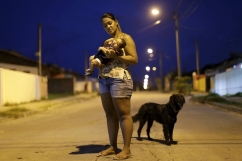
As the Zika virus spreads and growing numbers of babies are being born with microcephaly, or abnormally small heads and brains, the Church has remained largely silent on contraception. Abortion also remains illegal, with few exceptions, in most countries in Latin America.

Where church leaders have spoken out, it has been to reaffirm the catechism teaching that contraception is intrinsically evil. 

Father Luciano Brito, spokesman for the Catholic Archdiocese of Olinda and Recife, one of the areas most severely affected, said Catholics should avoid using birth control, regardless of Zika.

Although the link has yet to be definitely proven, there is mounting evidence that the sudden surge in babies being born with microcephaly is linked to the spread of the Zika virus.

Tewedros Melesse, director general of the International Planned Parenthood Federation, said: "Despite opposition, in recent decades Latin America has made great strides in amplifying access to contraception. However much more needs to be done. In the face of the Zika virus, these gains need to be echoed throughout the region – especially for adolescents, poor women and those living in rural areas who are most likely to be exposed to the virus and least likely to have access to reproductive health services.

"Access to contraception should be available to all. Governments must ensure their medical services have the supplies for those who want it. We recommend strengthening family planning programmes and access to safe abortion services for those women who need it and where it is permitted by law."

Women in some Latin American countries have been advised not to get pregnant for up to two years.

The Rev John Paris, a bioethicist and priest at Boston College, said: "I've never seen this advice before, and when you hear it, you think, 'What are the bishops going to do?'" 

Daniel Ramirez, assistant professor of history and American culture at the University of Michigan, said: "It's going to present a lot of problems for the bishops to sort out. They're going to have to really thread a fine theological needle here," according to CNN.

Nearly four in 10 of the world's 1.2 billion Catholics live in Latin America and although atheism and agnosticism is growing there as in the West, the Church remains a huge influence throughout society.


related articles
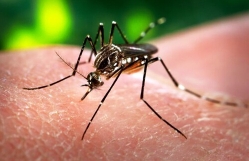
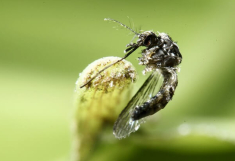
Mosquito-borne brain-deforming virus spreading; at least 20 Latin American countries report cases

More and more countries are being infected by the Zika virus--which has earlier been associated with brain deformities among infants in Brazil--and its alarming spread is not over yet.

Brain-deforming Zika virus poses bigger threat than Ebola, experts warn, noting that victims don\'t show symptoms
Brain-deforming Zika virus poses bigger threat than Ebola, experts warn, noting that victims don't show symptoms

Senior medical experts raised the alarm over the weekend that this brain-deforming virus carried by mosquitoes could pose a bigger threat to the world compared to the Ebola epidemic, which killed more than 11,000 people in African nations.

WHO declares global health emergency as Zika virus spreads rapidly; infection could be worse than Ebola

The rising cases of the mosquito-borne Zika virus infection have prompted the World Health Organisation (WHO) to declare on Monday a "public health emergency of international concern," and medical experts are still struggling to find a way to stop it from infecting more people.

Zika crisis: First US transmission reported, attributed to sexual contact

The first known case of Zika virus transmission in the United States was reported in Texas on Tuesday by local health officials.

News
Campaign aims to mobilise 500,000 Christians for Christmas outreach

Shine Your Light is aiming to mobilise half a million Christians to share the gospel with five million people across the UK this Christmas, with more than 2,000 churches already signed up, organisers say.

The Church of England should repent for previous calls to ban 'conversion therapy'

The Church of England's uneasiness about the government's ‘conversion practices’ bill is a perfect lesson in the old adage, 'be careful what you wish for,' writes Dr Martin Davie.

Leaked Home Office report links 'Christian extremism' to traditionalist beliefs and immigration concerns

An internal Home Office report lists concerns about immigration, multiculturalism and changing social values among the characteristics associated with what it calls "Christian extremism", it has been reported.

Tearfund calls for COP31 funding to reach farmers struggling with climate change and food insecurity

Tearfund warns that worsening climate conditions are threatening food production and pushing more people towards hunger.