Christians across Nepal are helping communities devastated by floods and landslides that have left hundreds dead or missing and caused widespread destruction along the country’s northern border with Tibet.
The disaster, which struck on 26 August, has been particularly severe in Rasuwa District, including the communities of Timure and Syabrubesi.
Homes, roads, bridges, businesses and other infrastructure have been swept away, while some communities remain cut off. Nepal’s disaster agency reported 987 confirmed deaths and 3,916 people missing as of 1 September, although search and rescue operations are continuing.
Churches and Christian organisations are responding with practical assistance, working to reach people who have lost family members, homes and livelihoods.
The National Christian Fellowship Nepal and Nepal Christian Society have sent three assessment teams into affected areas, including teams travelling by mountain bike where roads have been destroyed. Medical assistance is also being provided, while local churches are opening their remaining buildings to people who have lost their homes.
Catholic organisations are likewise providing emergency assistance.
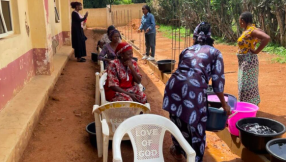
Caritas Nepal has established community kitchens and is supplying meals to around 300 affected families for just over two weeks. With many survivors still sleeping outdoors amid forecasts of further rain, the most urgent needs are tarpaulins, blankets and sleeping mats.
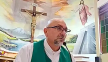
The response is being offered to people regardless of their religious background. Father Silas Bogati, Apostolic Administrator of the Apostolic Vicariate of Nepal, told Catholic charity Aid to the Church in Need, “[We have] always worked for the Nepali population irrespective of their religion, and we will continue to do so as they suffer in this hour of need."
The scale of the destruction means that the immediate relief effort will need to be followed by longer-term reconstruction. Christian leaders have called for prayer for those still missing, grieving families and rescue workers, as well as financial support for food, clean water, shelter, medical care and transportation.