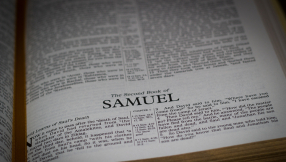
Theology students at Oxford will no longer have to study Christianity after their first year of university, after pupils challenged the lack of diversity in the current course structure.
A "major driver" for implementing changes, which will allow students after the first year to abandon study of Christianty entirely, is "the dramatic change in the way religion is seen and practised in the UK," according to Professor Johannes Zachhuber, the theology faculty's board chairman.
"The dominance of the Church of England has been receding but at the same time religion hasn't disappeared. We want to offer to potential students what is interesting for them and that has changed a lot in the last 30 years," he told the Times Higher Education magazine.
Christianity will remain compulsory in the first year of the course, with two papers to be sat on the religion, however students will have free reign to choose a wide range of papers in the second and third years.
The changes to the theology degree at the world's oldest university will more accurately reflect both the expertise of the lecturers and the interest and experience of the students.
"We recognise that the people who come to study at Oxford come from a variety of different backgrounds and have legitimately different interests. They come from the respected communities of Britain," said Zachhuber.
"If you have a very rigid curriculum, there will be an increasing mismatch between what lecturers are doing in their research time and what they're having to teach," he added.
The reduction in compulsory modules for second and third year students will enable other papers to be taken, including "feminist approaches to religion and theology" and "Buddhism in space and time".
"These changes are what students want, because a bigger world is affecting them," according to Benjamin Thompson, associate professor of medieval history at Oxford, who said that there have been similar moves in history.
"The most obvious example is the rise of militant Islam, or how well the Chinese economy is doing.
"With the Cecil Rhodes statue debate, this 'decolonisation' of the curriculum is now quite interesting." As an example, he said that to study a medieval knight students "might look at his uniform and trace its origins to the silk roads in the Far East" rather than just looking at history from an English perspective."