
|PIC1|CT: When you were invited to the Lambeth Conference, what made you say yes?
BM: I am a great admirer or Archbishop Rowan, so I would want to do anything I could to be of support to him and his supremely difficult but important work. As well, before becoming a pastor, the best church I was ever part of was an Episcopal congregation, and the best pastor I ever had was an Episcopal priest.
At my best moments of being a pastor, I hope I was reflecting something of that priest's inspiring gift of leadership. As a result of his influence, I strongly considered the possibility of entering the Episcopal ministry back in my 20's, and although I didn't end up taking that path, I've always had great love and respect for the Anglican tradition, going all the way back to the Celtic era.
So for all of these reasons, I was simultaneously honoured and humbled to be invited to speak at Lambeth, and deeply grateful to be able to accept the invitation.
CT: What perceptions did you have of the Anglican Communion before coming here? How have those perceptions been changed by what you have experienced at the Conference? Can you sense the divisions here?
BM: Of course, I had read many print and online articles about the kind of theological civil war ostensibly going on in the Anglican Communion. Having good friends on many "sides" of the controversy - and really, there are more than two sides - I knew before coming that the situation was complex with truly good-hearted and sincere people differing from each other on a number of difficult issues.
My dominant impression during my four brief days at Lambeth was not controversy, but rather the spirituality of the participants. The gathering was full of prayer, Bible study, worship, and fellowship. It wasn't simply a political "us versus them" gathering, as news reports often seem to imply. Instead, the people I talked to all radiated the love of Christ and the desire to move forward together, with Christian love covering differences.
I sensed among every participant I spoke with the desire for the main thing once again to be the main thing ... so the Anglican Communion can refocus on being and making disciples, in authentic community, for the good of God's world. Now I'm sure there are people on all extremes who wouldn't share this spirit, but apparently those people avoided me, because every single person I met shared this irenic spirit.
CT: The Anglican Communion is struggling to hold together Anglicans with many different theological positions. What's your approach in bringing polar opposite Christians to sit together at the same table?
BM: I think three things can help us a great deal. First, Scripture. The fact is, Scripture can be used as a weapon to exclude, wound, discredit, and vanquish opponents, but it also can be used as a kind of flashlight to guide us in dark times so we can learn to walk together through differences and divisions - of which there were many in New Testament times.
I think we're far wiser when we don't simply troll the Scriptures seeking to find verses that prove "them" wrong and "us" right - but rather when we ponder Scriptures that teach us how to treat one another when we differ - 1 Corinthians 13 being a prime text in this regard. (I always tell people, 1 Corinthians 13 was written for church controversies, not weddings!)
Second, virtue. If we don't know how to control our tongues, as the Apostle James frequently teaches, then there are going to be forest fires of conflict everywhere. If we don't learn how to listen wisely, again as James reminds us, we'll find ourselves slipping into unwise, angry, and divisive speech. If we don't have humility, we will constantly be either on attack or in defense mode, since egos are in play. If we don't learn how to forgive - and ask forgiveness - we will be at odds constantly, nursing grudges and causing new offenses.
But if we actually seek to practice Christ-like virtues at every single turn, I think we'll find a way forward. It may take a while - but patience is one of the virtues in question! But if we focus less on removing the splinters of error in others' eyes and more on our own planks of virtue-deficit, God can make a way where there was no way.
Third, mission. I've noticed that conflicts increase when we forget the main reason we're here. Idle hands - and minds and mouths - can find a lot to fight about when they aren't primarily focused on the mission Christ gave his disciples, a mission which many of us understand to be the call to make disciples, meaning people who actually live in the way of Jesus. Considering all the crises and catastrophes we face in today's world, I think we'd all agree we could use a lot more Christ-like people ... and the only organisation dedicated to recruiting people into a life-long journey of Christ-like living is the church. So that's what I hope we can all feel called towards, whatever our denominational heritage, and whatever labels we prefer - liberal, conservative, whatever.
CT: Do you find it ironic that you are here and some 250 Anglican bishops are not?
BM: No. The Anglican bishops who chose not to come did so for reasons that make sense to them, and I accepted the invitation to come for reasons that make sense to me.
CT: The sexuality issue is a big one and you advised bishops to be sensitive to different cultural settings. Does that mean we should shape the Bible around the surrounding culture?
BM: This question raises a host of assumptions and deeper questions that too few people are willing to grapple with. Because the fact is, what we're talking about isn't simply the Bible but our interpretations of the Bible. It's not just what the Bible says, but how we understand, interpret, and apply what the Bible says. In the Bible, for example, God commanded polygamy in certain situations in the Old Testament. And God also commanded stoning in certain situations. Nobody I know of wants to apply those passages literally today.
The question of which passages to apply to a certain situation, and how literally to apply them, is a question of interpretation, and interpretation is not simply a science or technique, like solving a math equation. There are many layers of skill in Biblical interpretation. In surgery, one needs to know biology, pathology, neurology, cardiology, and so on, and beyond that, one needs skills like cutting, suturing, cauterising, monitoring vital signs, and much, much more.
Similarly, in Biblical interpretation, one needs - among many other things, literary knowledge and skills, language and translation knowledge and skills, cultural analysis knowledge and skills, and very quickly, pastoral and peace-making knowledge and skills too - because even the best experts will frequently disagree!
CT: On a global level, how can the whole body of Christ effectively keep up with what you termed the "hurricane of change" in the world today in the face of so many conflicts and divisions?
BM: First, I'd say we need to realise that conflicts and divisions are only one dimension of our challenge in the aftermath of profound cultural change. Another great danger is marginalisation - where we only understand and speak to a smaller and smaller segment of the population. Another great danger - opposite in some ways to marginalisation - is over-accommodation, where we become too embedded with a majority culture or civilisation.
To me, the great inspiration in change is to focus on Jesus, who incarnated the Word in a way that was at once culturally relevant and counter-culturally potent. Jesus showed up right on time, and addressed the critical issues of his day in ways that were also historically transcendent and universally applicable.
CT: What do you think the global body of Christ should be making a missional priority?
BM: To me, the idea of disciple-making is most central - and most holistic and hopeful. If we have been transformed by Jesus' radical good news of the kingdom of God - a message more and more Christians are grappling with, I'm glad to say - then we can seek to be and make disciples of Jesus who live and communicate that message.
When we live and share the gospel of the kingdom of God, we help people be reconciled with God, within themselves, with their neighbours and strangers and enemies, and with God's creation as a whole. That message of the kingdom integrates personal spiritual formation with social transformation. So it produces not just converts or Christians or church-goers, but rather disciples of Jesus, citizens of God's global kingdom - people who both pray and seek to help the poor, people who both worship and work for peace, people who both study the Bible and study ways to care for the planet, people who pursue both personal holiness and social holiness.
CT: You spoke of paradigm shifts. What can the Global North and the Global South learn from each other about effective evangelism in today's world?
BM: What a great question. People in the Global North can learn about joy and courage and hope and resilience from the Global South. They can learn about being rich towards God rather than rich in this world's economy. They can learn about living the gospel in conditions of poverty and war and disease and pluralism, rather than simply talking about the gospel in comfortable church buildings and classrooms and websites.
And perhaps people from the Global South can learn from their neighbours to the North some of the dangers, toils, and snares that await them as they "advance" - a term I have mixed feelings about - in terms of economics, education, entertainment, and so on. Because I think history teaches us that it is not easy for faith communities to go from pre-modernity to modernity to whatever comes after ... and that you can have thriving "Christian" societies at one point that are in decline and collapse a century or less later.
Most importantly, I hope both North and South can learn together about how to face our shared global challenges, because more than ever before, we are part of one integrated, linked, interdependent system, and we must face real crises together. The good news of Jesus Christ, I believe, gives us exactly the resources we need to face those crises in collaboration and faith.
CT: You suggested a new era for Christianity. What else do you think we can expect?
BM: I am just one small person with a very limited perspective in the face of such a huge question. But let me offer four small thoughts.
First, I think our future is more about the Christian way of life than it is about a rigid and polemicized systems of belief. Second, I think our future is mission-oriented - meaning that we focus on forming disciples who advance God's mission in their daily lives.
Third, I believe our future is ecumenical - with Catholics, Anglicans, Pentecostals, Eastern Orthodox, and Evangelical Christians taking a humble posture as fellow learners and collaborators for the common good rather than as competitors or us-versus-them enemies.
And fourth, I think our future will also require us to join humbly and charitably with people of other faiths - Muslim, Hindu, Buddhist, Jewish, secularists, and others - in pursuit of peace, environmental stewardship, and justice for all people, things that matter greatly to the heart of God.
67% OFF

Rocoren 12-Pack Magnetic Cable Clips – 360° Rotating Cord Organizer with No-Residue Adhesive, Cord Holder for Desk, Nightstand, Wall, Car & Office, White
$6.5 $19.99
60% OFF

Red Light Therapy Mask for Face – 7-Color LED Silicone Facial Mask, Cordless Rechargeable Skincare Device with 240 LEDs for Home & Travel
$39.99 $99.99
77% OFF
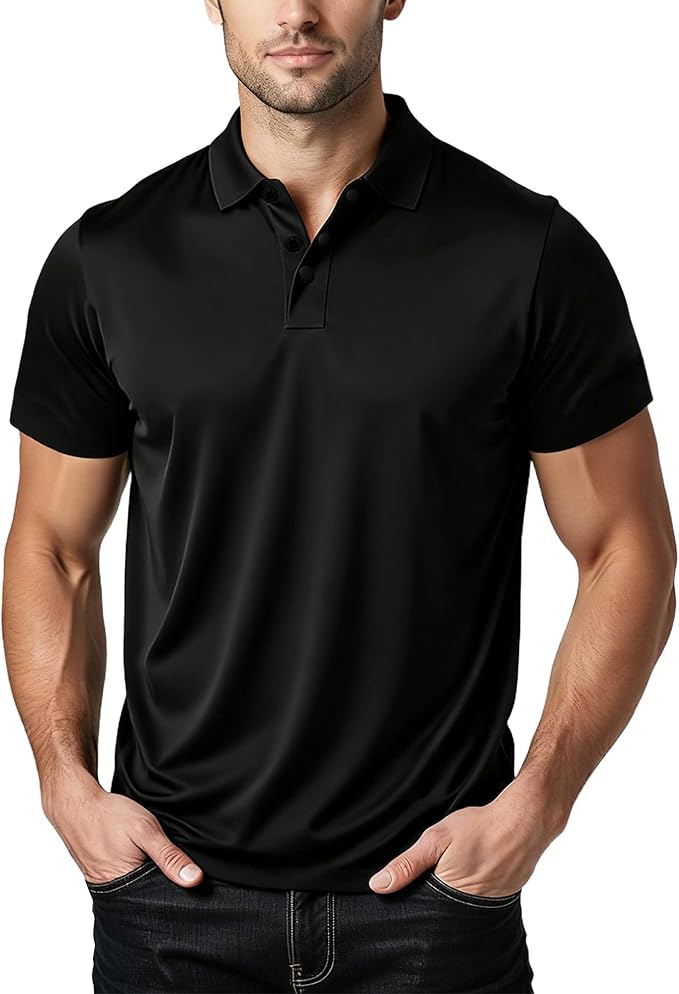
Men's Slim Fit Polo Shirt – Quick Dry Moisture Wicking, High Elasticity, Athletic Fit Polo for Golf, Tennis, Work & Casual Wear (Runs Small, Size Up)
$6.99 $29.99
28% OFF

AVANTEK Wireless Doorbell CB-11 – 1000 ft Range, 1 Button + 1 Plug-In Receiver, 115 dB Volume, LED Flash, 52 Chimes, Waterproof, 3-Year Battery
$12.91 $17.99
50% OFF
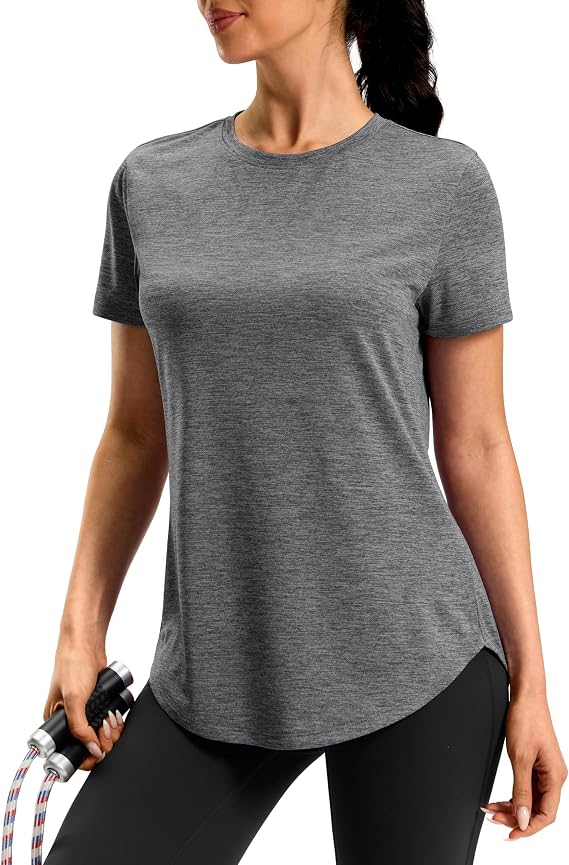
Women's Workout Shirts – Bum-Covering Length Short Sleeve Dry Fit Tops, Lightweight & Breathable for Athletic, Hiking, Running & Summer Wear
$6.99 $13.99
50% OFF
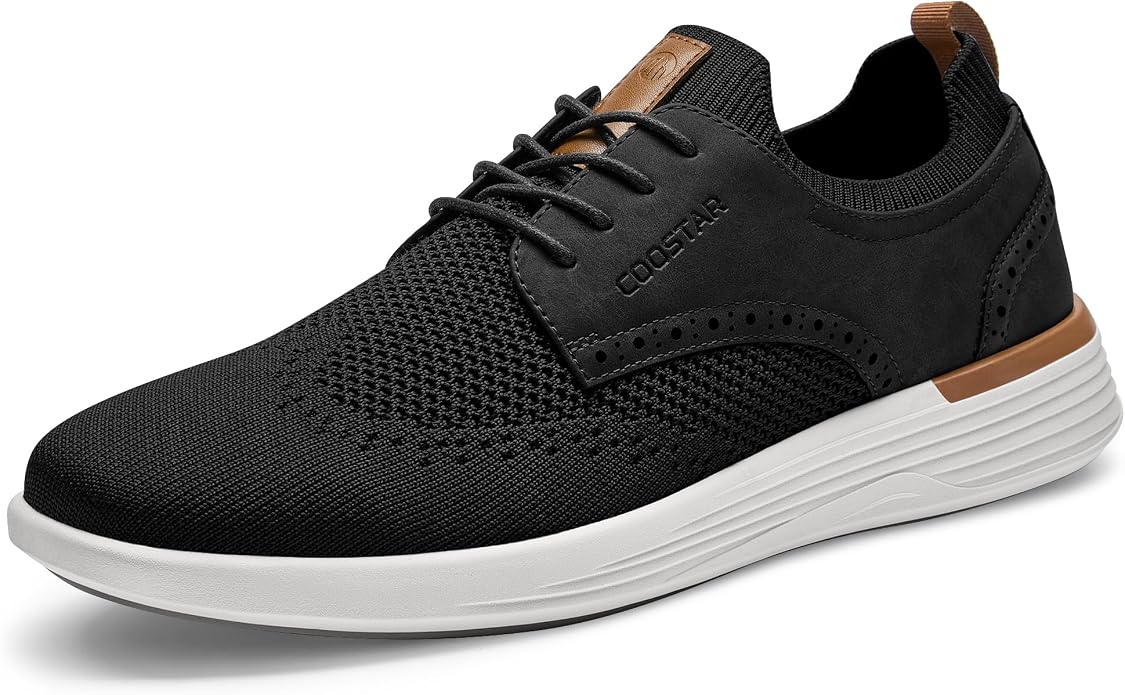
Coostar Men's Casual Dress Sneakers – Lightweight Wingtip Oxford Style with Breathable Knit Upper, Rubber Sole & Slip-On Elastic Collar, Business & Walking Shoe
$22.49 $44.99
45% OFF
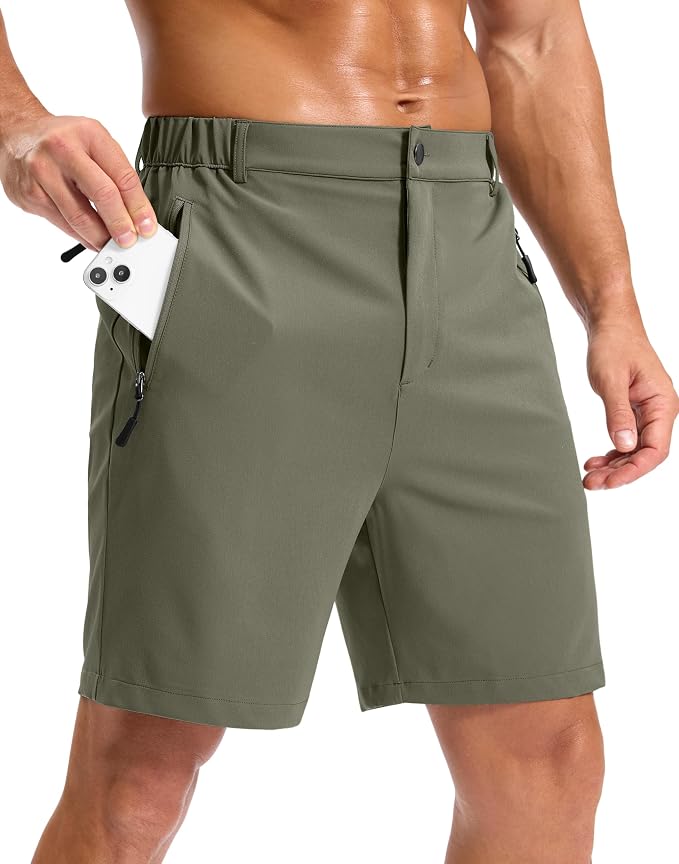
Pudolla Men's Quick Dry Hiking and Golf Shorts with 3 Zipper Pockets
$14.84 $26.99
50% OFF

Venture Pal Ceremonial Grade Matcha Green Tea Powder – First Harvest, Shade Grown, 100% Pure with No Additives, Unsweetened, Vegan & Gluten-Free, 30g Tin
$7.5 $14.99
40% OFF
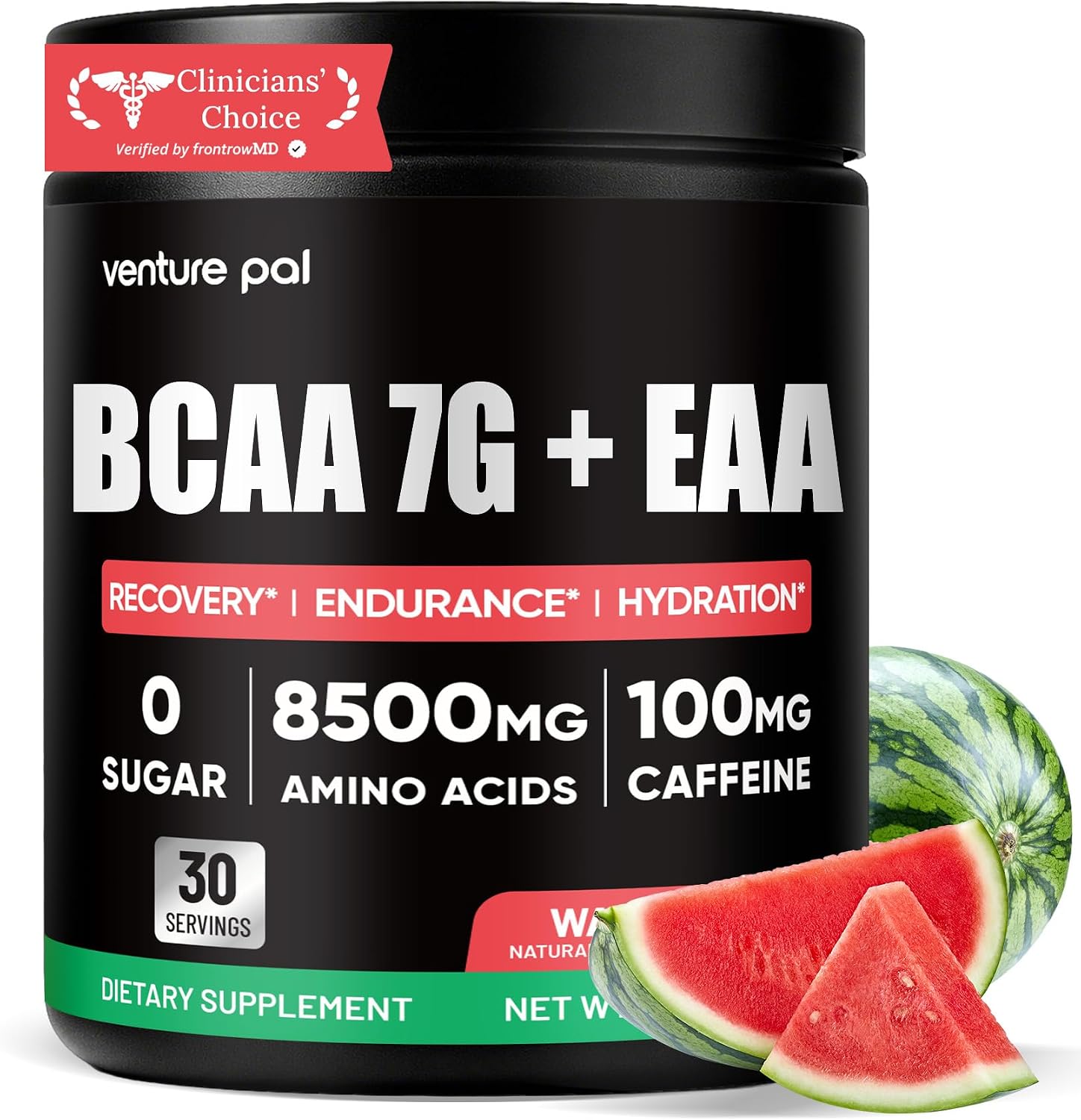
Venture Pal Sugar Free 7g BCAA + EAA Powder – 9 Essential Amino Acids with L-Glutamine, Caffeine, Electrolytes & Vitamins for Muscle Recovery, Growth & Hydration
$14.99 $24.99
30% OFF
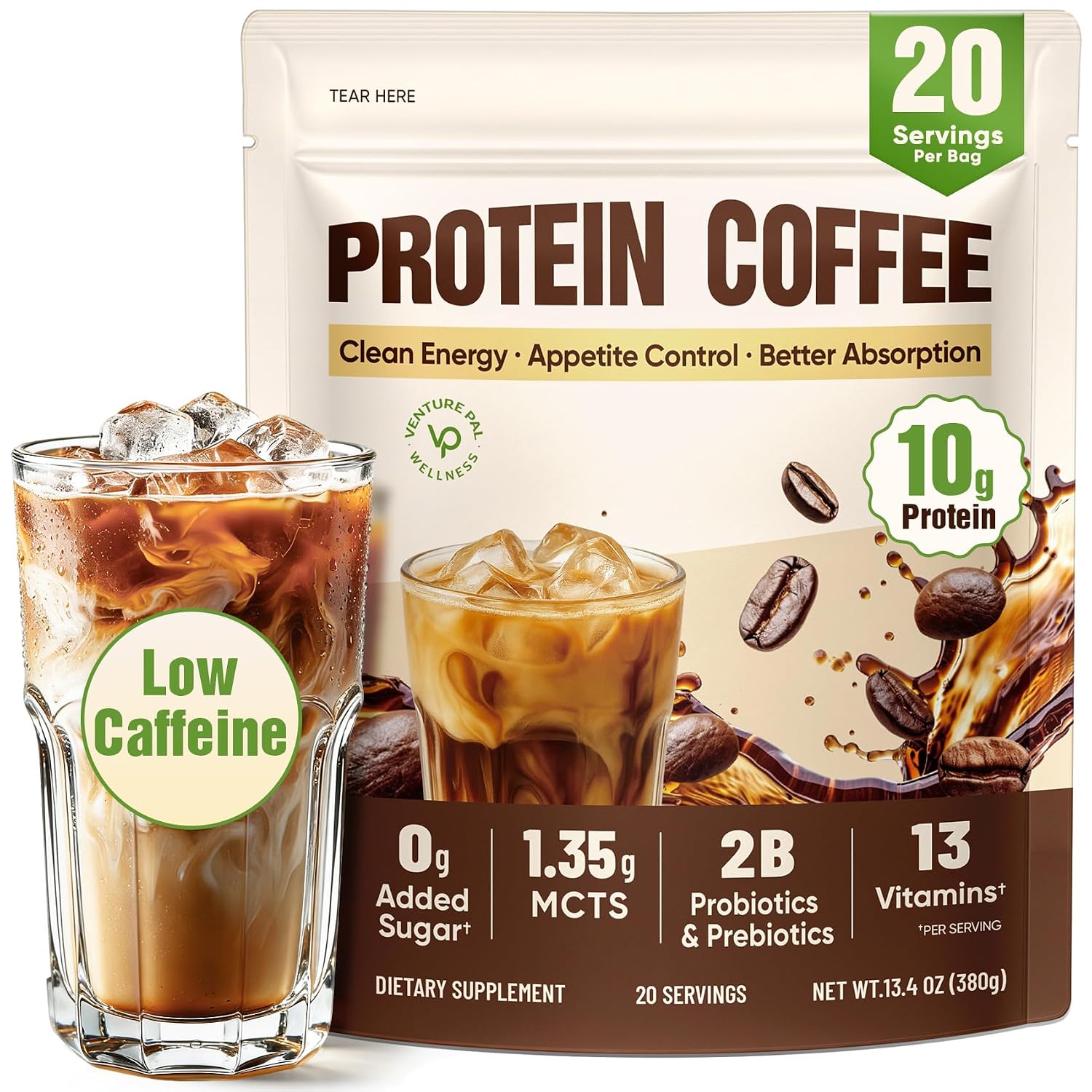
Venture Pal Sugar Free Protein Coffee – Cold Brew Mocha Instant Iced Coffee with MCT Oil, Probiotics, Fiber & 13 Vitamins, 70mg Caffeine, Keto & Gluten-Free, 20 Servings
$13.29 $18.99
20% OFF
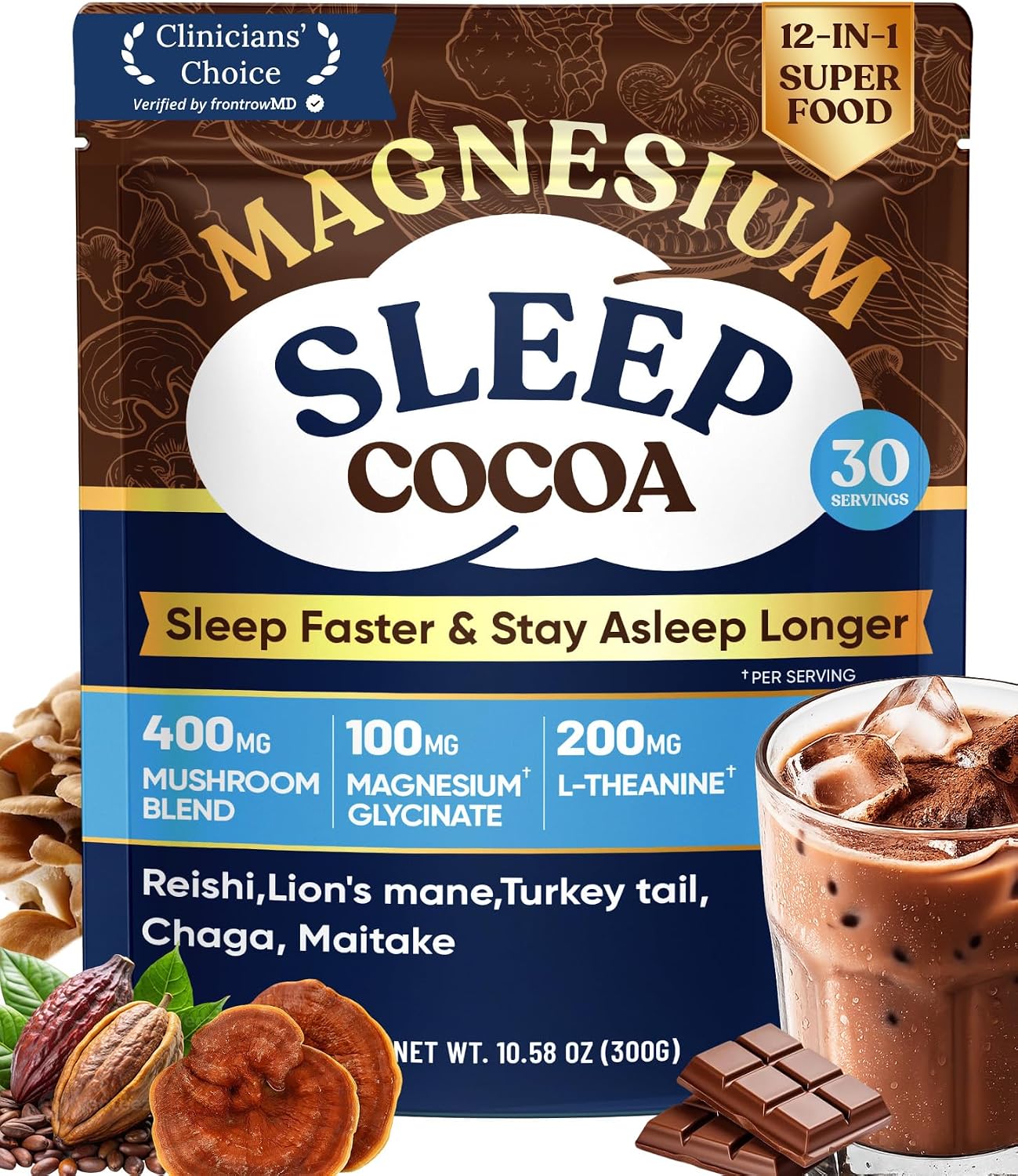
Venture Pal Mushroom Hot Cocoa – Natural Sleep Aid with 12 Superfoods, Melatonin 3mg, Magnesium Glycinate, L-Theanine, Glycine, Lion's Mane, Reishi & Turkey Tail, Bedtime Cocoa Mix, 30 Servings
$23.99 $29.99
24% OFF
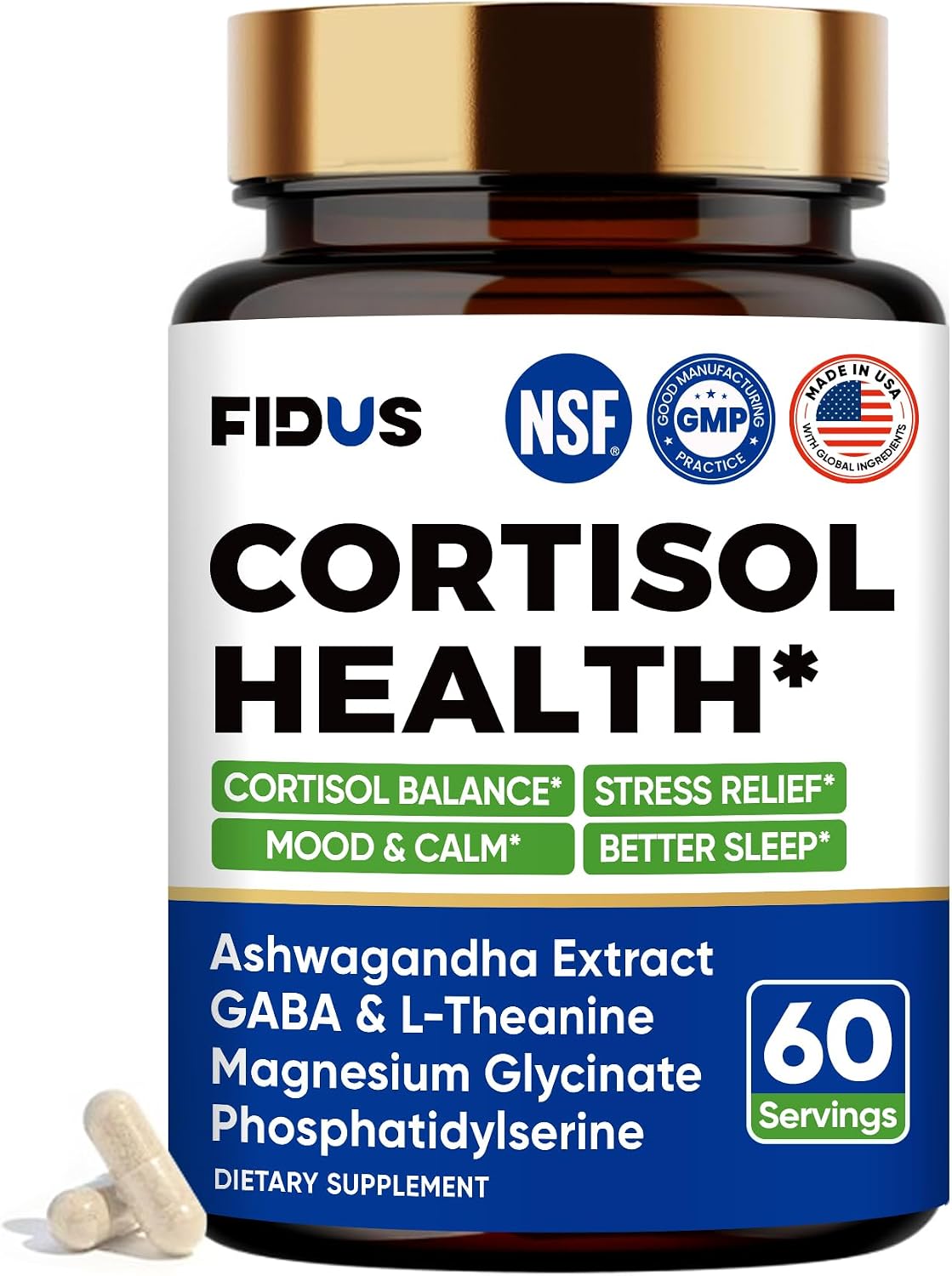
Cortisol Supplement for Women & Men with Ashwagandha & GABA – Magnesium, L-Theanine & Rhodiola, Stress Support for Sleep, Mood & Focus, 60-Day Supply, Made in USA
$15.29 $19.99
50% OFF
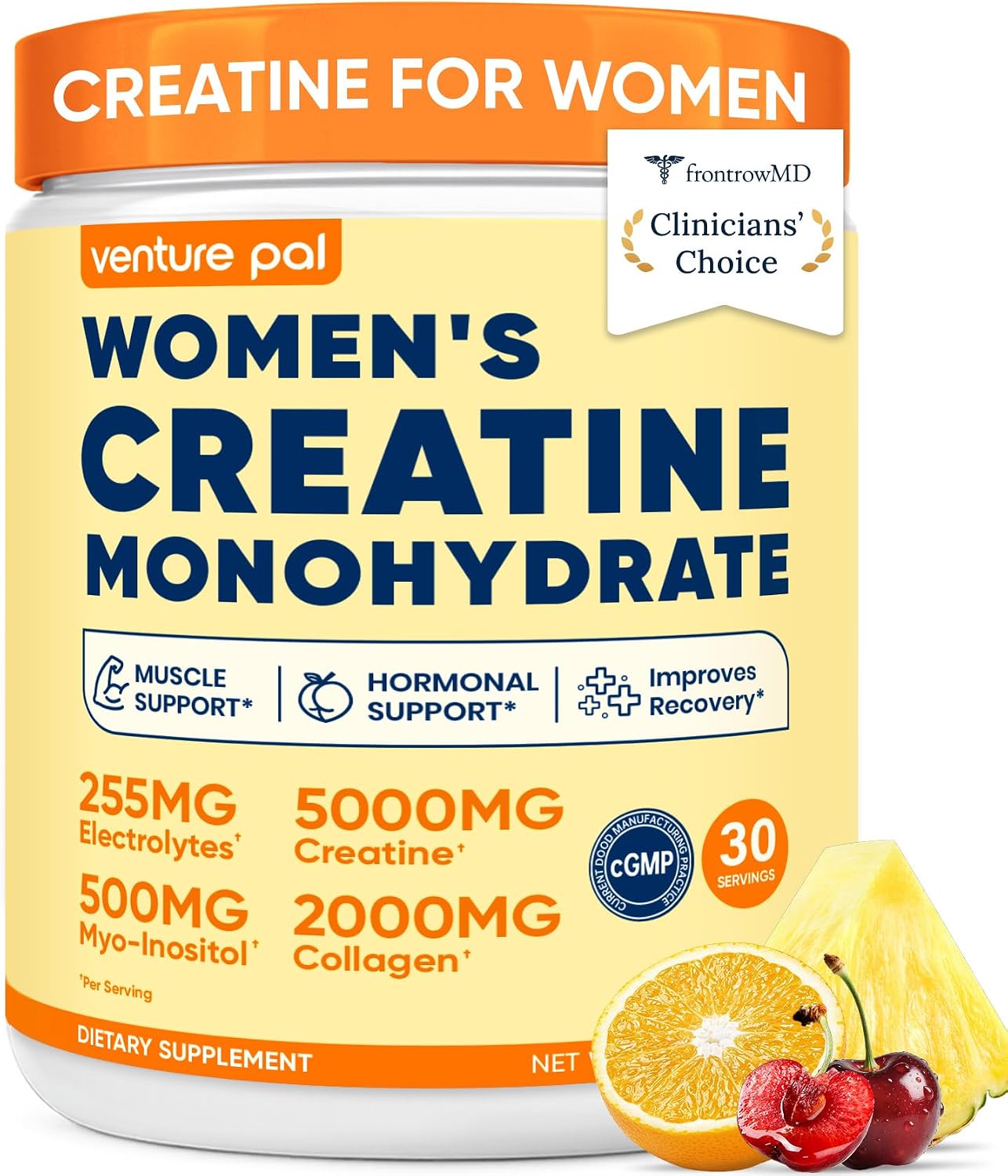
Venture Pal 18-in-1 Creatine for Women – Creatine Monohydrate with Collagen, Myo & D-Chiro Inositol, Electrolytes & Vitamins for Strength, Recovery & Skin Support, Sugar Free, 10.58 oz
$14.99 $29.99
32% OFF
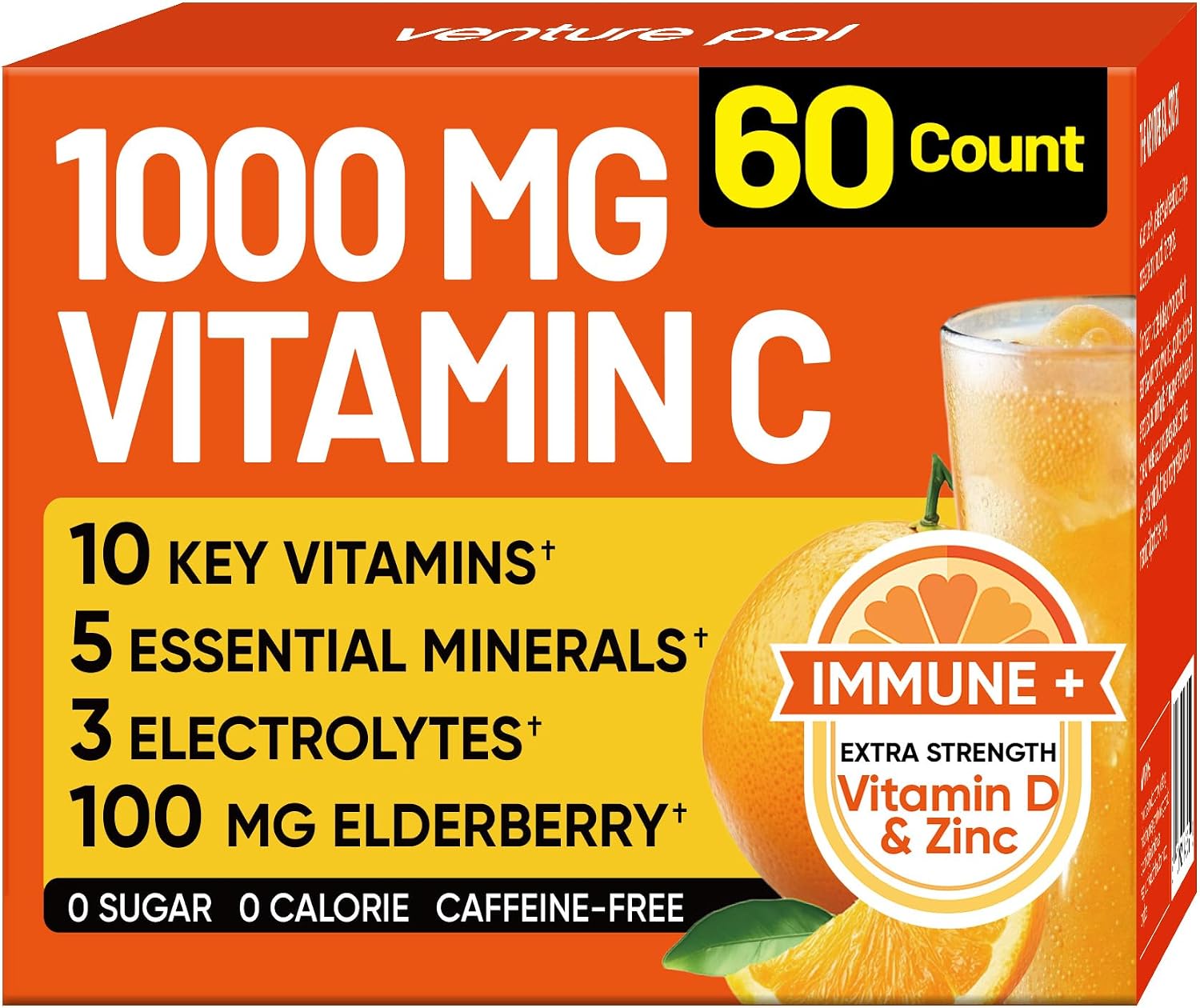
Venture Pal 1000mg Vitamin C Powder with Zinc & Elderberry – Sugar Free B Complex, 10 Vitamins, Minerals & Electrolytes, Daily Immune & Energy Support Packets, 60 Count
$13.59 $19.99
20% OFF
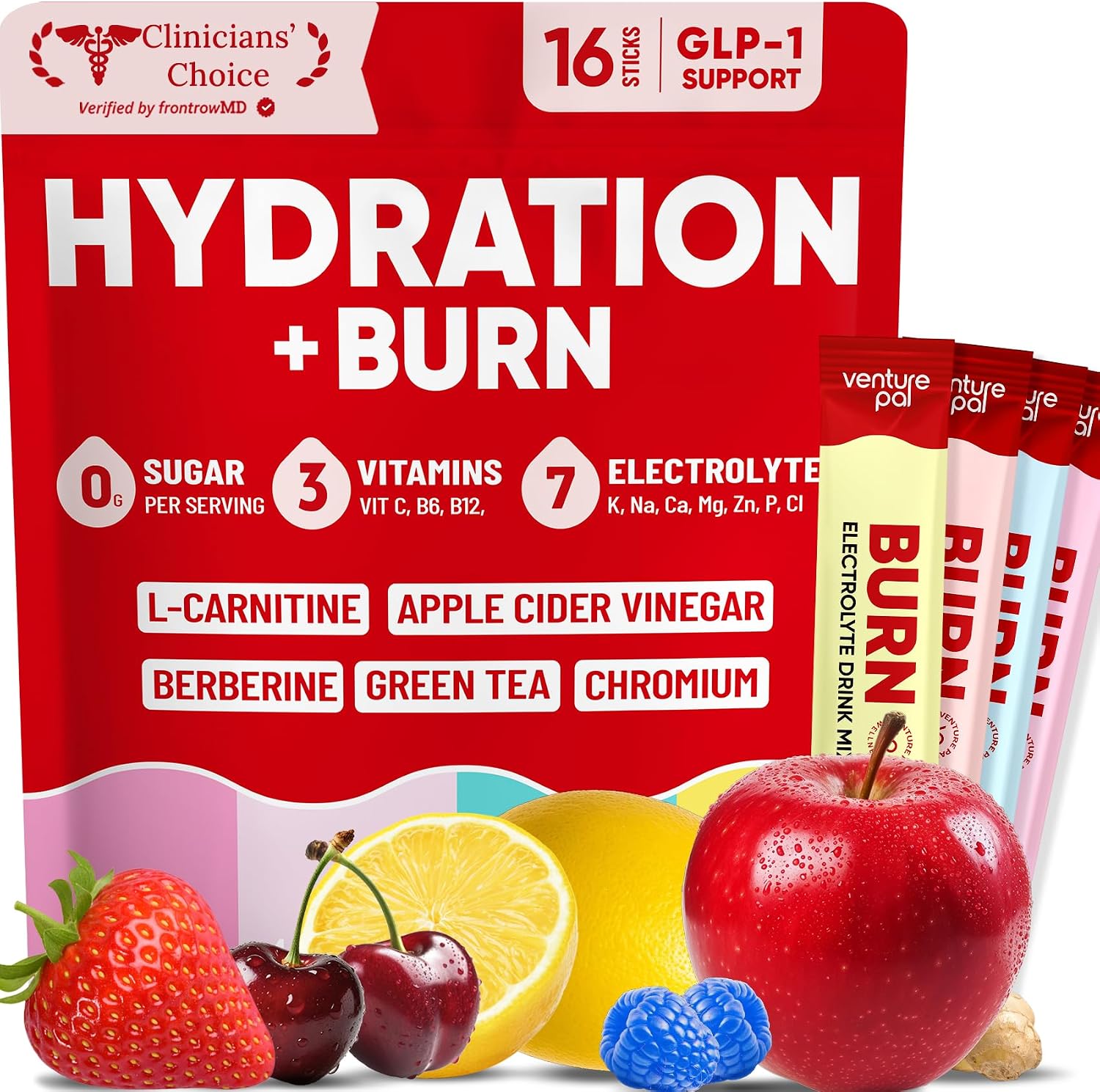
Venture Pal Burn Electrolyte Packets – Sugar Free Hydration with 7 Electrolytes, L-Carnitine, Berberine, ACV & Chromium, Metabolic & Satiety Support, Keto & Vegan, 16 Sticks
$15.99 $19.99
17% OFF
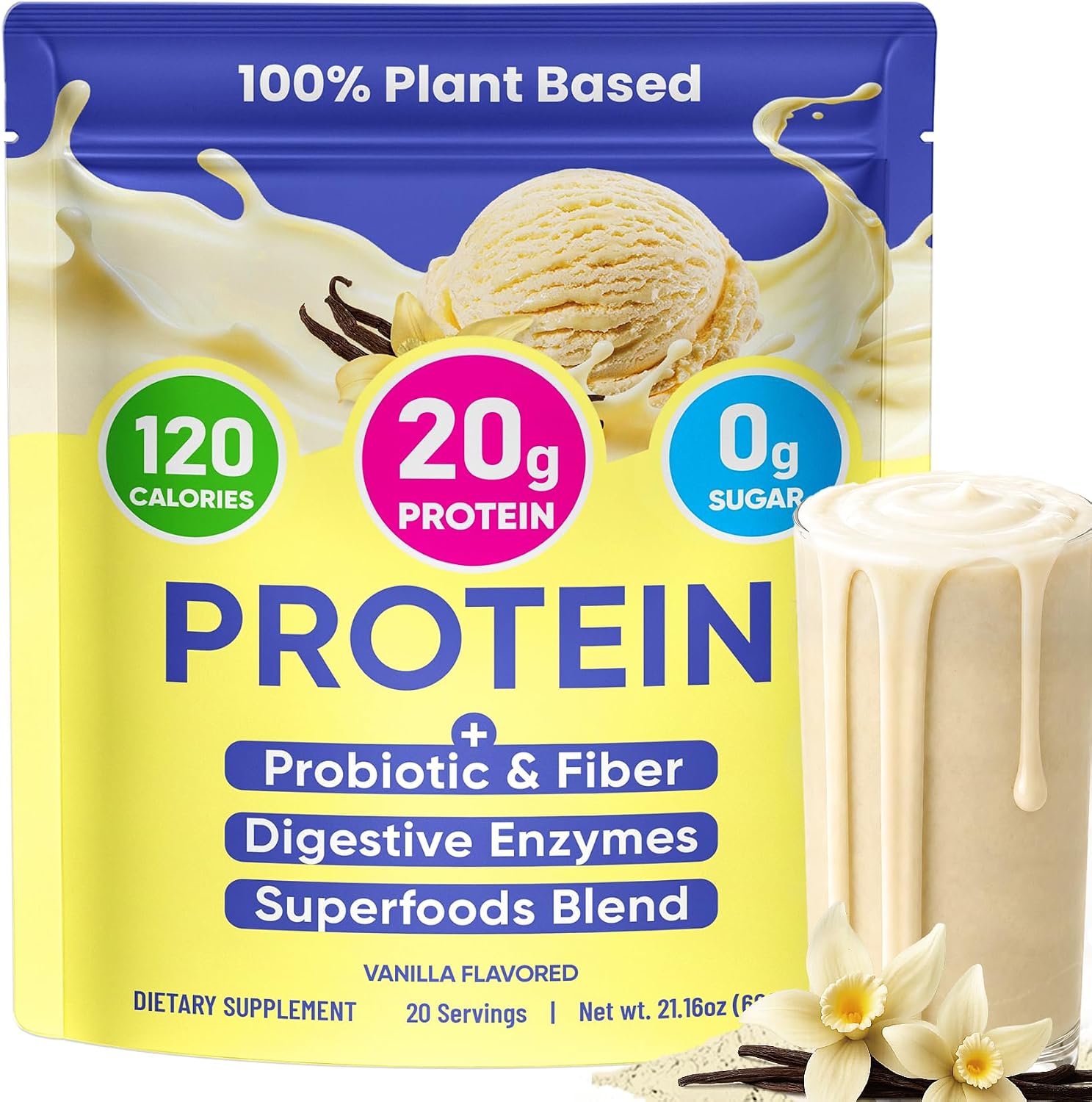
Venture Pal Vegan Protein Powder – 20g Plant Protein with 9B CFU Probiotics, Fiber, Digestive Enzymes & Superfoods, Vanilla, Low Sodium, Keto-Friendly, Gluten & Dairy Free, Non-GMO, 20 Servings
$21.59 $25.99
28% OFF
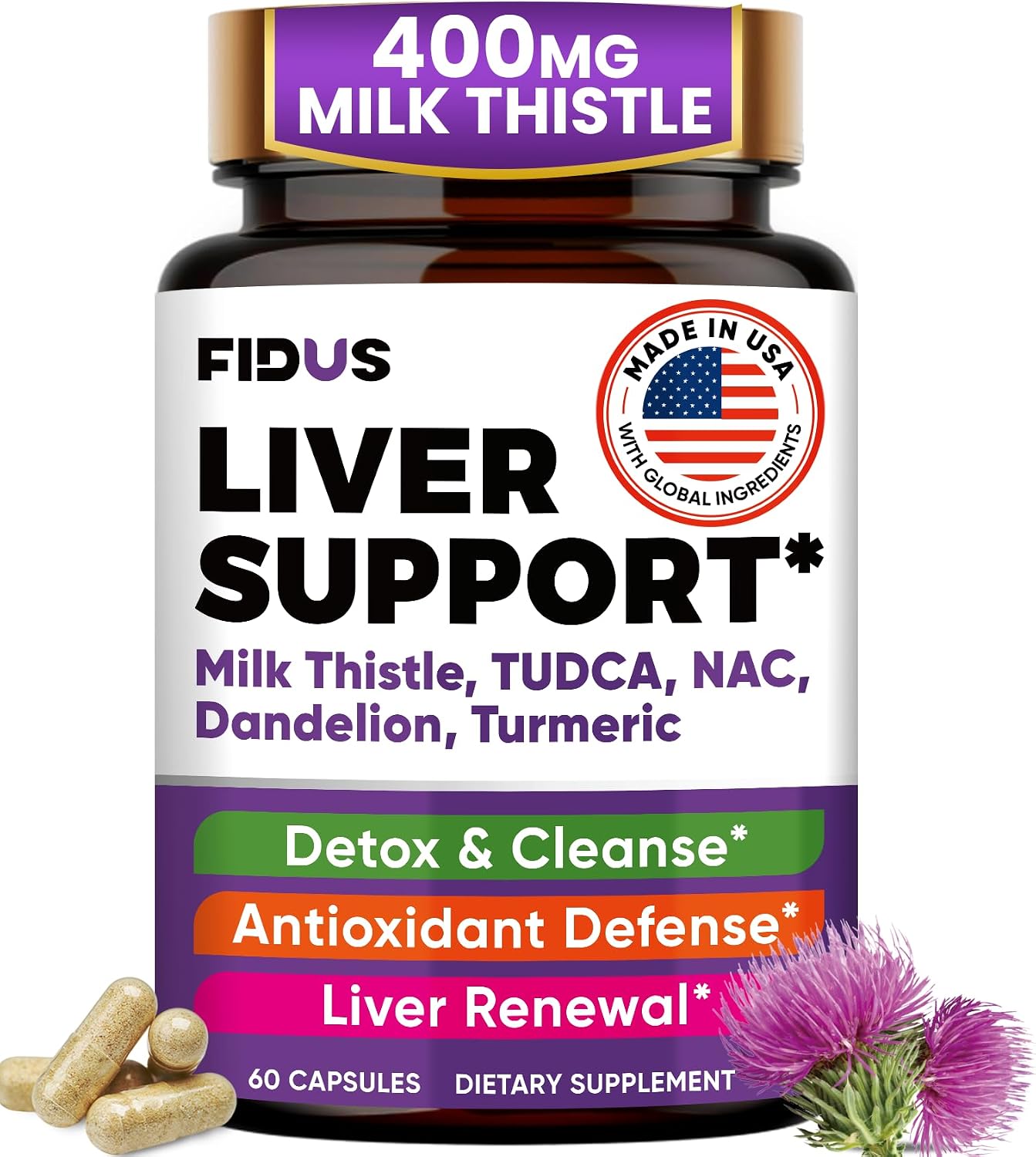
Fidus Liver Cleanse & Repair Supplement – 400mg Milk Thistle (80% Silymarin) with TUDCA, NAC, Turmeric, Artichoke & Dandelion – Liver Support & Digestive Health, 60 Capsules, Made in USA
$14.39 $19.99
50% OFF
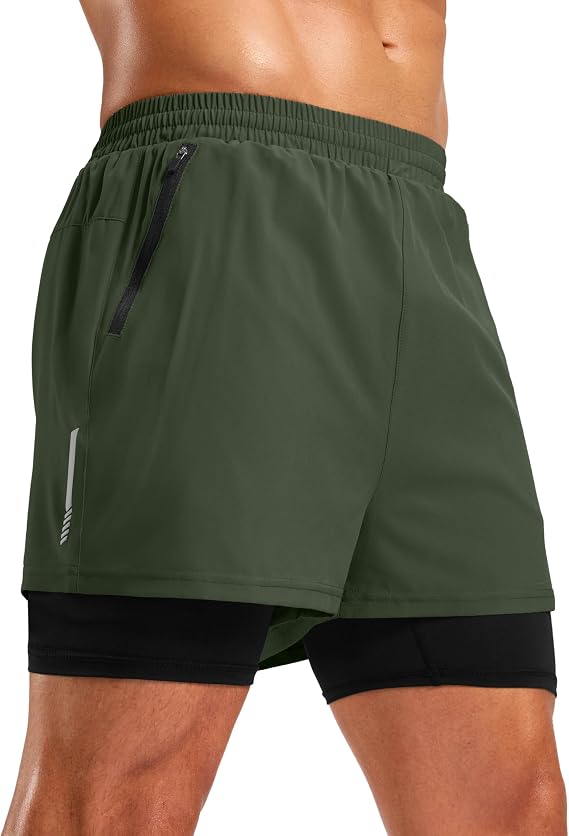
Pudolla Men's 7" Running Shorts with Zipper Pockets – Quick Dry 2-in-1 Workout Gym Shorts with Compression Liner for Tennis, Yoga & Training
$11.99 $23.99
27% OFF

AVANTEK BA-11 Wireless Doorbell Kit (Battery-Powered Receiver, 1000 ft Range)
$13.83 $18.99
65% OFF

GS01 Handheld Clothes Steamer with 400ml Large Water Tank & 1500W Fast Heat Up
$13.29 $37.99



-

Jacob Rees-Mogg and the appeasement of Islamism
-

Pastor pays tribute to 'precious' church member found dead in Athens suitcase
-

Archbishop of Canterbury faces continued backlash over slavery and reparations stance
-

Deadly distortions of Christianity in Africa
-

Amnesty apologises for report that branded dozens of Christian organisations 'anti-rights'
-

MP urges Archbishop of Canterbury to abandon £100m slavery reparations fund
Most Popular
News
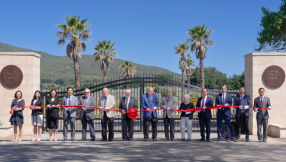
Olivet University granted permanent land-use for Anza campus in unanimous Riverside County vote
Olivet University has been granted a permanent legal right, with no expiration date, to operate its educational campus in Anza, California, following a unanimous 5-0 vote by the Riverside County Planning Commission and strong support from neighbors and the community.

Police investigating Ann Widdecombe killing reopen investigation into attempted burglary at Farage's home
Counter-terrorism police investigating the killing of Ann Widdecombe are reported to have reopened a probe into an incident at Nigel Farage's south London home last year.

Family of Christian woman killed in Greece remember her 'kindness' and 'integrity'
The family of a Scottish aid worker who was found dead in a suitcase in Athens have remembered her as a "kind, principled and selfless" woman.

Christian couple murdered in Pakistan receive no justice
The courts are not able to determine who exactly did what in a 100-plus mob.
Rocoren 12-Pack Magnetic Cable Clips – 360° Rotating Cord Organizer with No-Residue Adhesive, Cord Holder for Desk, Nightstand, Wall, Car & Office, White
$6.5
Red Light Therapy Mask for Face – 7-Color LED Silicone Facial Mask, Cordless Rechargeable Skincare Device with 240 LEDs for Home & Travel
$39.99
Men's Slim Fit Polo Shirt – Quick Dry Moisture Wicking, High Elasticity, Athletic Fit Polo for Golf, Tennis, Work & Casual Wear (Runs Small, Size Up)
$6.99
AVANTEK Wireless Doorbell CB-11 – 1000 ft Range, 1 Button + 1 Plug-In Receiver, 115 dB Volume, LED Flash, 52 Chimes, Waterproof, 3-Year Battery
$12.91
Women's Workout Shirts – Bum-Covering Length Short Sleeve Dry Fit Tops, Lightweight & Breathable for Athletic, Hiking, Running & Summer Wear
$6.99
Coostar Men's Casual Dress Sneakers – Lightweight Wingtip Oxford Style with Breathable Knit Upper, Rubber Sole & Slip-On Elastic Collar, Business & Walking Shoe
$22.49
Pudolla Men's Quick Dry Hiking and Golf Shorts with 3 Zipper Pockets
$14.84
Venture Pal Ceremonial Grade Matcha Green Tea Powder – First Harvest, Shade Grown, 100% Pure with No Additives, Unsweetened, Vegan & Gluten-Free, 30g Tin
$7.5
Venture Pal Sugar Free 7g BCAA + EAA Powder – 9 Essential Amino Acids with L-Glutamine, Caffeine, Electrolytes & Vitamins for Muscle Recovery, Growth & Hydration
$14.99
Venture Pal Sugar Free Protein Coffee – Cold Brew Mocha Instant Iced Coffee with MCT Oil, Probiotics, Fiber & 13 Vitamins, 70mg Caffeine, Keto & Gluten-Free, 20 Servings
$13.29
Venture Pal Mushroom Hot Cocoa – Natural Sleep Aid with 12 Superfoods, Melatonin 3mg, Magnesium Glycinate, L-Theanine, Glycine, Lion's Mane, Reishi & Turkey Tail, Bedtime Cocoa Mix, 30 Servings
$23.99
Cortisol Supplement for Women & Men with Ashwagandha & GABA – Magnesium, L-Theanine & Rhodiola, Stress Support for Sleep, Mood & Focus, 60-Day Supply, Made in USA
$15.29
Venture Pal 18-in-1 Creatine for Women – Creatine Monohydrate with Collagen, Myo & D-Chiro Inositol, Electrolytes & Vitamins for Strength, Recovery & Skin Support, Sugar Free, 10.58 oz
$14.99
Venture Pal 1000mg Vitamin C Powder with Zinc & Elderberry – Sugar Free B Complex, 10 Vitamins, Minerals & Electrolytes, Daily Immune & Energy Support Packets, 60 Count
$13.59
Venture Pal Burn Electrolyte Packets – Sugar Free Hydration with 7 Electrolytes, L-Carnitine, Berberine, ACV & Chromium, Metabolic & Satiety Support, Keto & Vegan, 16 Sticks
$15.99
Venture Pal Vegan Protein Powder – 20g Plant Protein with 9B CFU Probiotics, Fiber, Digestive Enzymes & Superfoods, Vanilla, Low Sodium, Keto-Friendly, Gluten & Dairy Free, Non-GMO, 20 Servings
$21.59
Fidus Liver Cleanse & Repair Supplement – 400mg Milk Thistle (80% Silymarin) with TUDCA, NAC, Turmeric, Artichoke & Dandelion – Liver Support & Digestive Health, 60 Capsules, Made in USA
$14.39
Pudolla Men's 7" Running Shorts with Zipper Pockets – Quick Dry 2-in-1 Workout Gym Shorts with Compression Liner for Tennis, Yoga & Training
$11.99
AVANTEK BA-11 Wireless Doorbell Kit (Battery-Powered Receiver, 1000 ft Range)
$13.83
GS01 Handheld Clothes Steamer with 400ml Large Water Tank & 1500W Fast Heat Up
$13.29