
Tributes have been pouring in following the death this weekend of Bishop Sir Paul Reeves, 78.
After just five years as Anglican Archbishop of New Zealand, in 1985 he quit to become the country's 15th Governor General. No one holding the office since can claim Maori origins.
At the time the appointment raised eyebrows. "How can an ordained priest fulfil this
constitutional role?" demanded opposition leader Jim McLay. Maoris were
unanimously delighted.
Paul Reeves cut a commanding figure, standing well over six feet with a shock of platinum hair. A man of humble origins, Reeves was ordained deacon in 1958, he studied at St Peter's College Oxford 1959-61, returning to New Zealand in 1964. He taught Church History and was Director of Christian Education in Auckland diocese, then followed election as Bishop of Waiapu and after that Auckland. On the Anglican world stage he became an influential voice at Primate's meetings.
He was a churchman who never shied away from controversy. He was highly visible in the campaign against the 1981 Springboks tour. New Zealand is fanatical about rugby but deeply aware of racial issues. The campaign led to hotels banning the visitors so they were forced to sleep in airport hangars and this tour became a landmark in the demise of apartheid.
Reeves was never entirely at home with the pomp associated with the Governor General's Office. He found himself at odds with the monetarist reforms of the government that appointed him, arguing in 1987 that they were creating "an increasingly stratified society". It earned a rebuke from the PM.
A year later he defended his views: "...the spirit of the market steals life from the vulnerable but the spirit of God gives life to all". Relations with Lange were never repaired. After leaving office he went to New York to be the first Anglican Observer to the United Nations (1991-3). Reeves had the prestige and the presence needed to make the project work.
In retirement Reeves was Deputy Leader of the Commonwealth Observer group to
South Africa. He continued to do diplomatic work in the Pacific region, chairing a Fiji Constitution Review Commission from 1995 until 1997. It led to Fiji's readmission to the Commonwealth until its suspension in 2000.
Even so he was never one to duck controversy he spoke out against police being issued with taser guns and supported New Zealand becoming a republic, suggesting if renouncing his knighthood was a prerequisite to being a citizen of the republic, "I think it would be worth it."
24% OFF
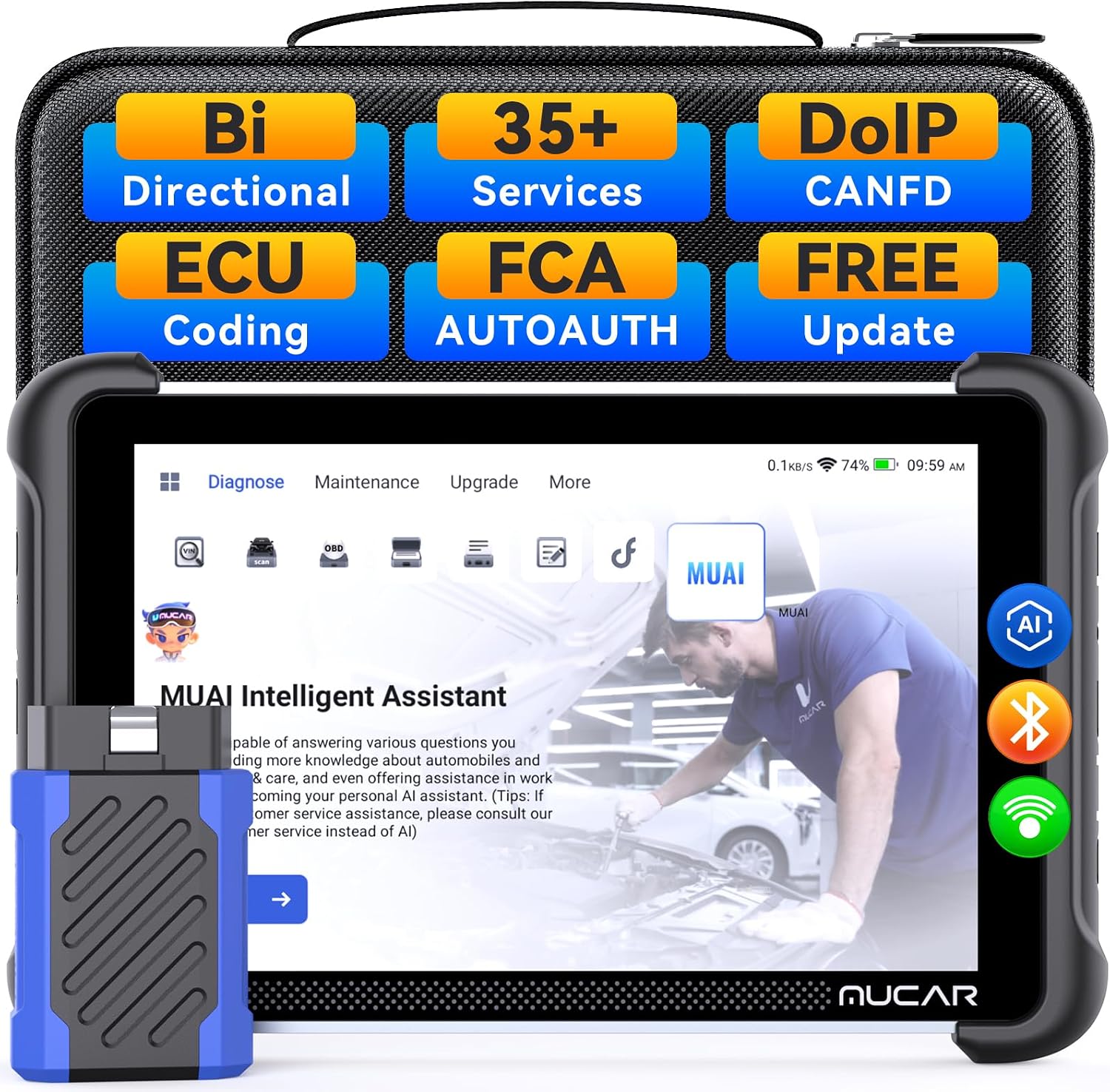
MUCAR 892BT AI-Assisted Bidirectional OBD2 Scan Tool with ECU Coding (8" Touchscreen)
$478.79 $629.99
77% OFF
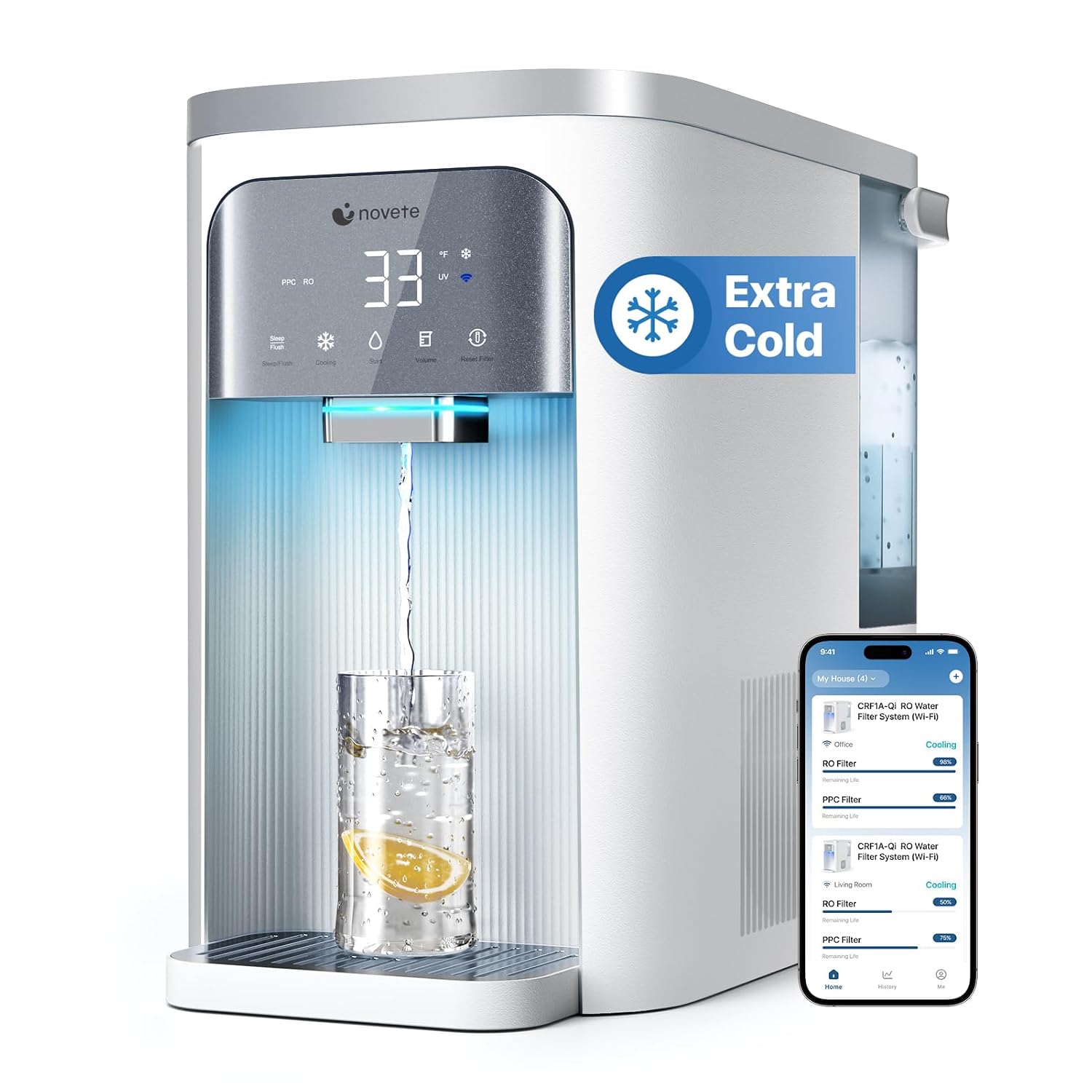
NOVETE Smart Countertop Reverse Osmosis Water Filter System with UV & Cooling (CRF0A-Qi)
$99.99 $429.99
36% OFF
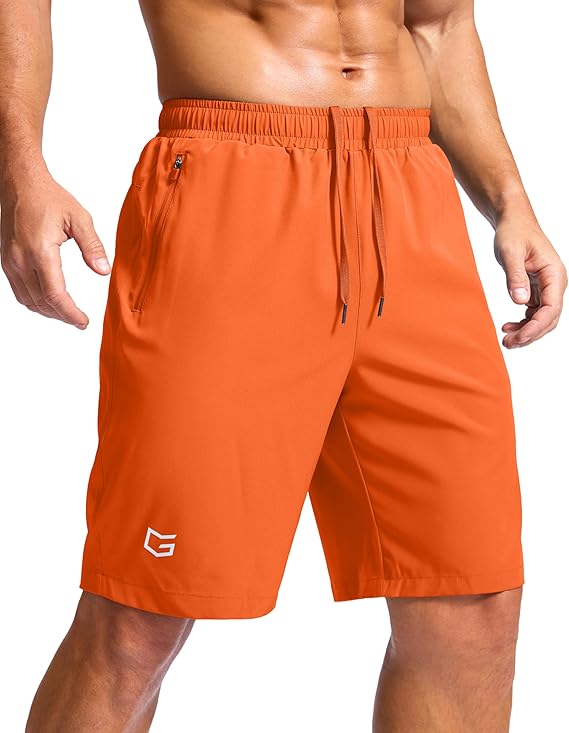
G Gradual Men's Quick Dry Athletic Running Shorts with Zipper Pockets
$12.74 $19.99
17% OFF
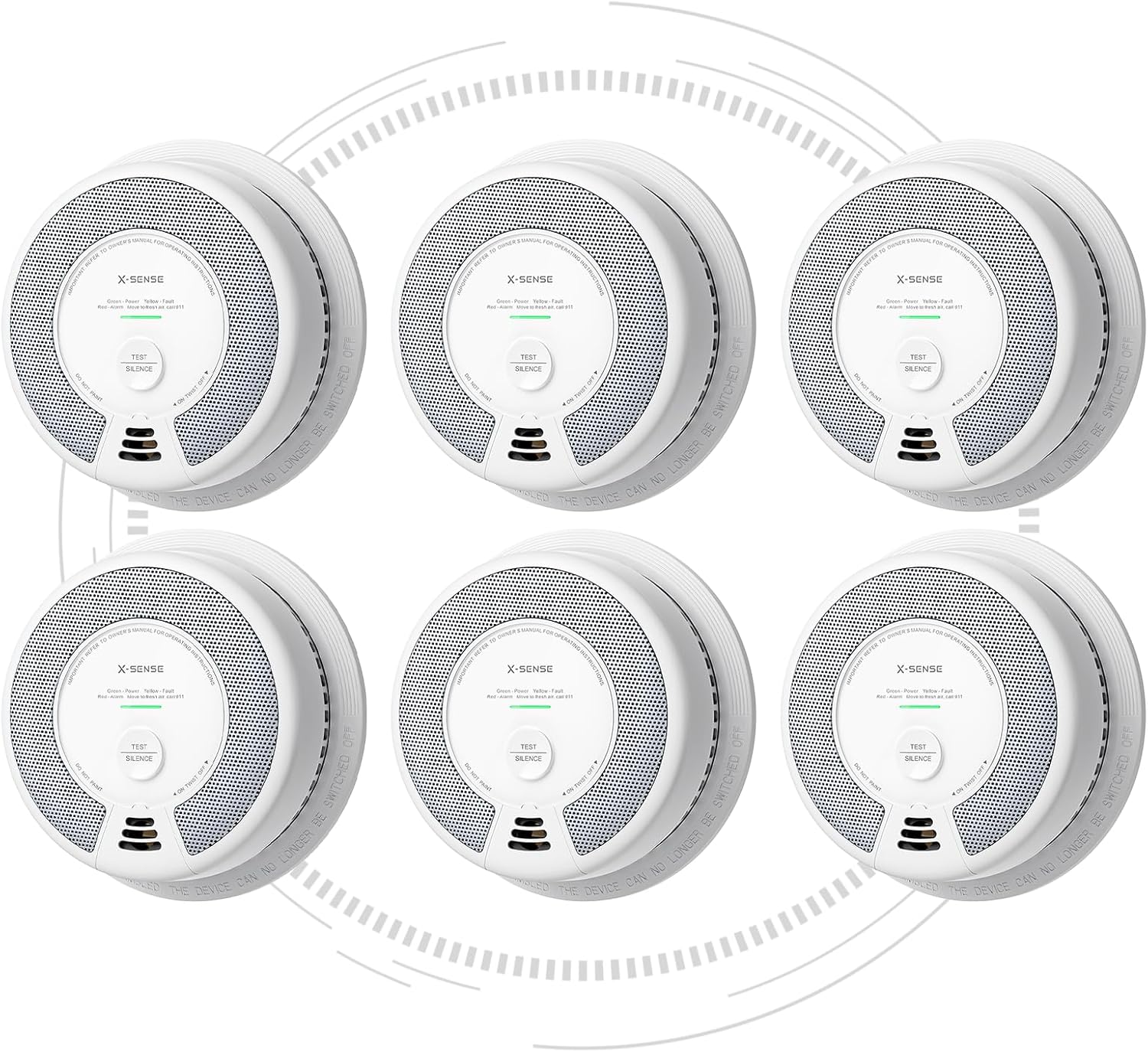
X-Sense 10-Year Sealed Battery Combination Smoke and CO Detector (6-Pack, SC06-W)
$225.21 $269.99
50% OFF
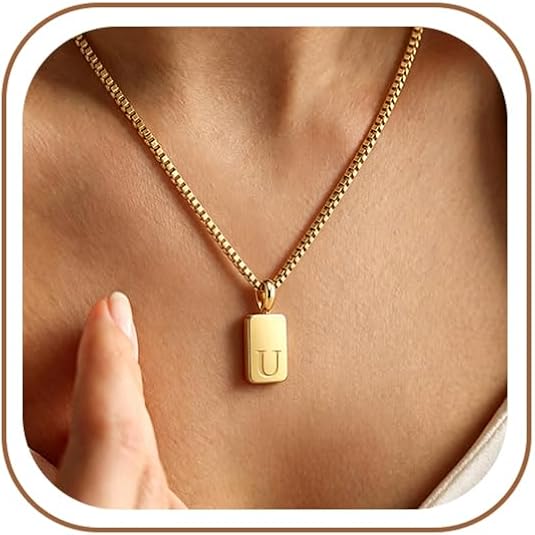
18K Gold Plated Initial Pendant Necklace with Reinforced Box Chain
$6.49 $12.99
50% OFF
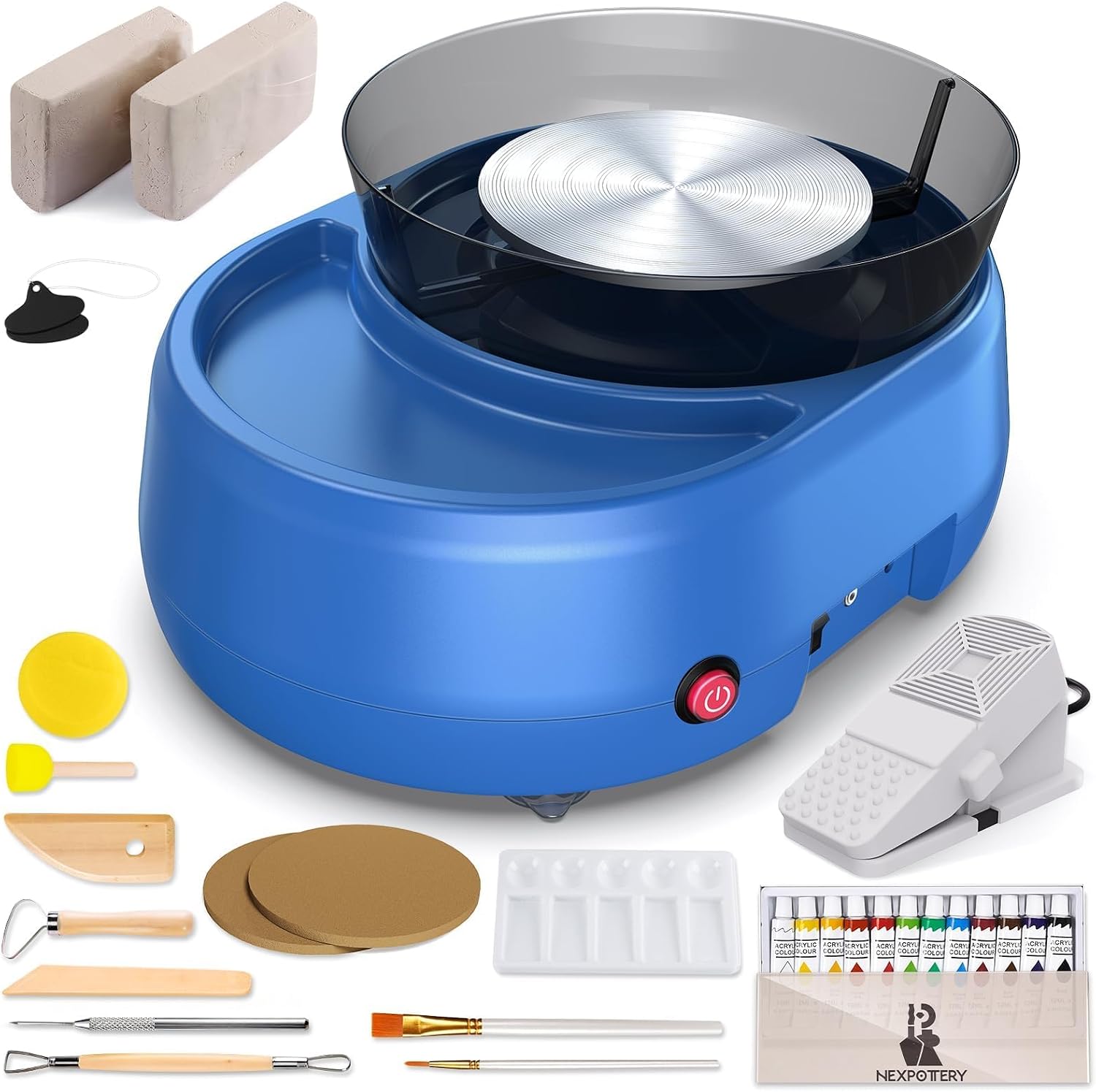
6-Inch Desktop Pottery Wheel Kit for Beginners with 2.2lb Air Dry Clay
$44.99 $89.98
50% OFF

Portable Folding LED Book Light Night Lamp with Floral Print Cover
$11.99 $23.99
26% OFF

Magnelex American Flag Windshield Sun Shade - High-Resolution UV Reflective Heat Shield (X-Large)
$19.9 $26.9
50% OFF

TailSphere 12-in-1 Turkey Tail Mushroom Immune Support Chews for Dogs (90 Count)
$13.49 $26.99
50% OFF
Aegend Kids Swim Goggles for Toddlers 3-8 with Anti-Fog and No-Hair-Pull Strap
$4.49 $8.99
73% OFF
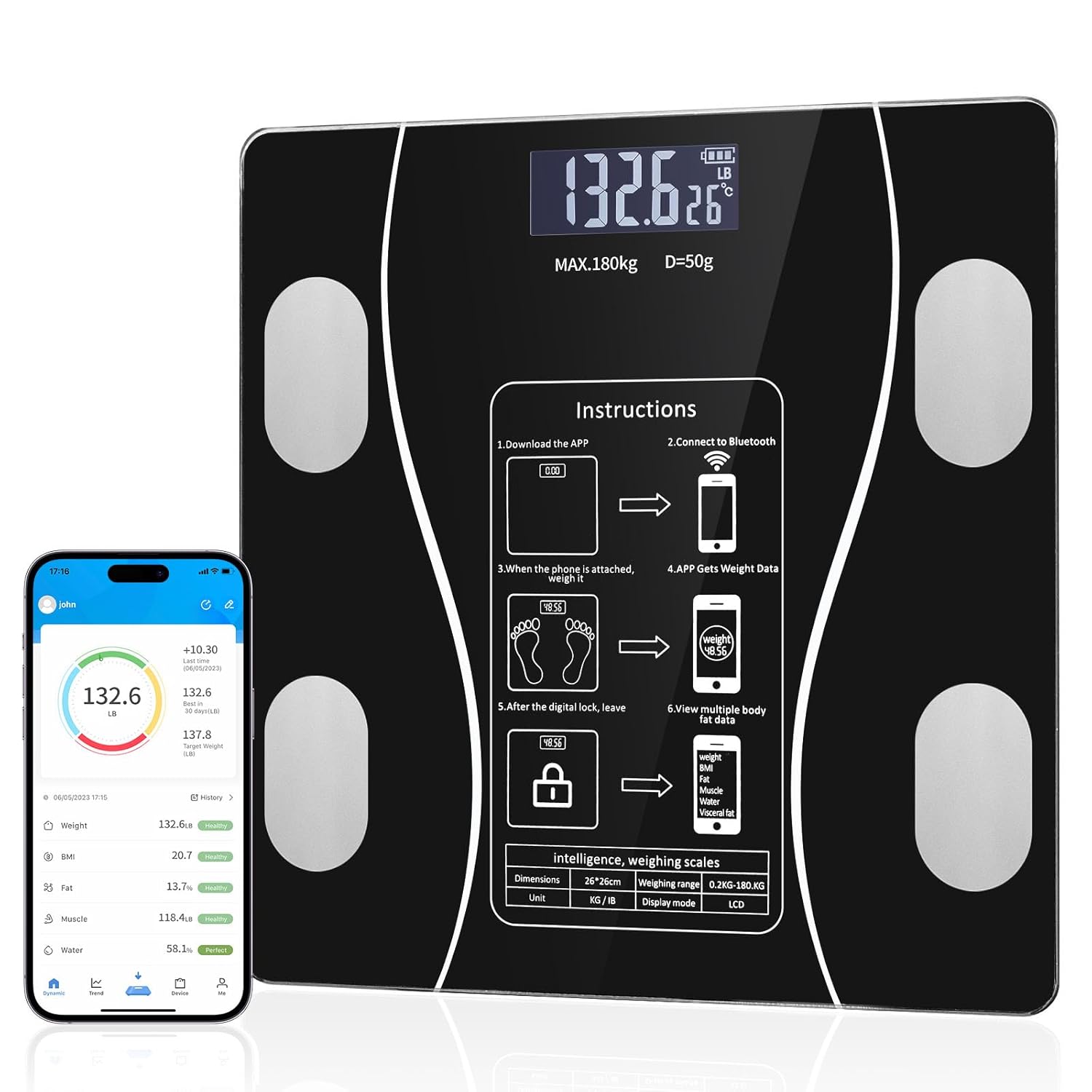
Smart Bluetooth Body Fat Scale with LED Display and Body Composition Analyzer
$21.58 $79.96
73% OFF
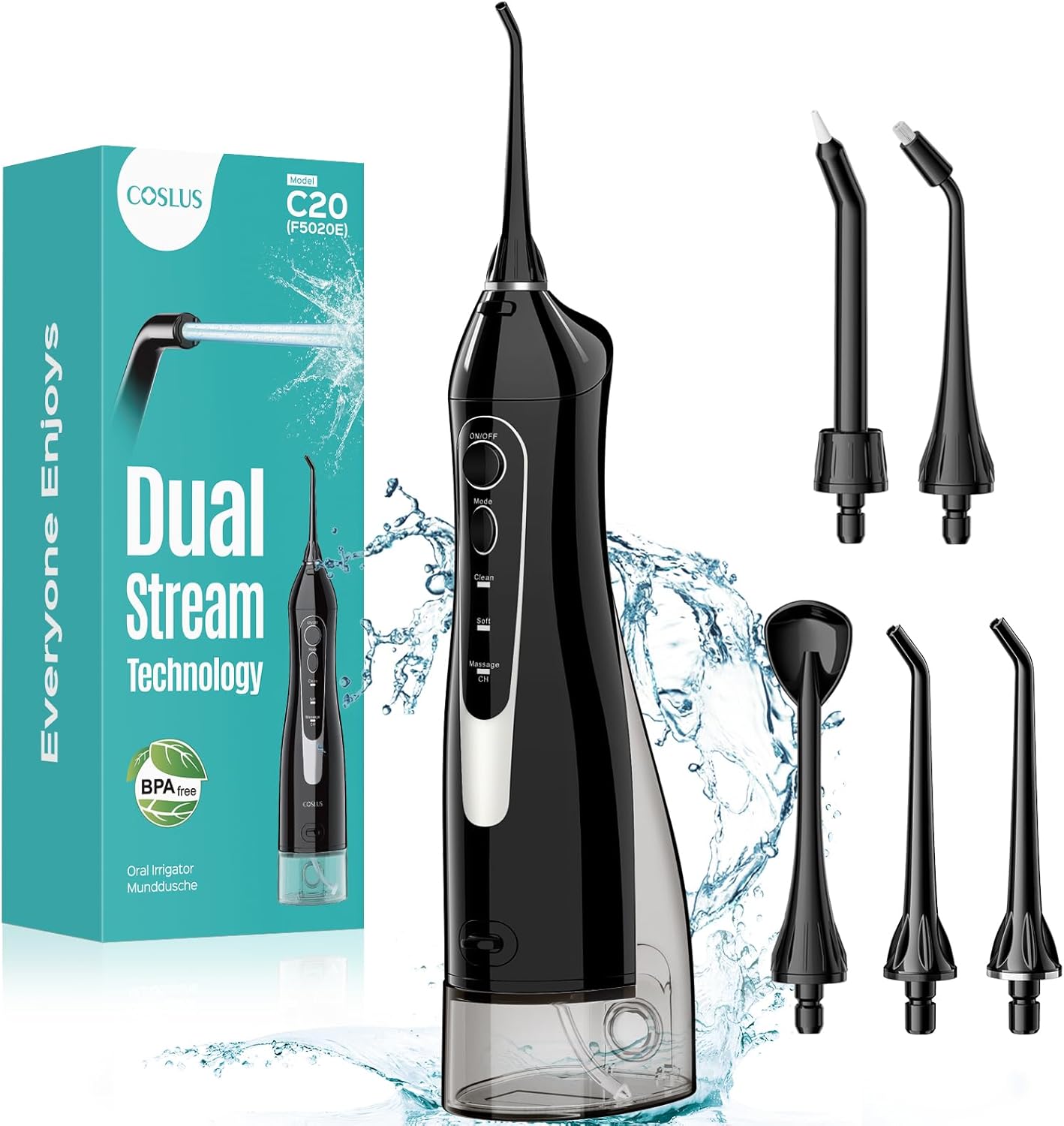
COSLUS C20 Portable Cordless Water Dental Flosser and Oral Irrigator
$7.99 $29.99
29% OFF
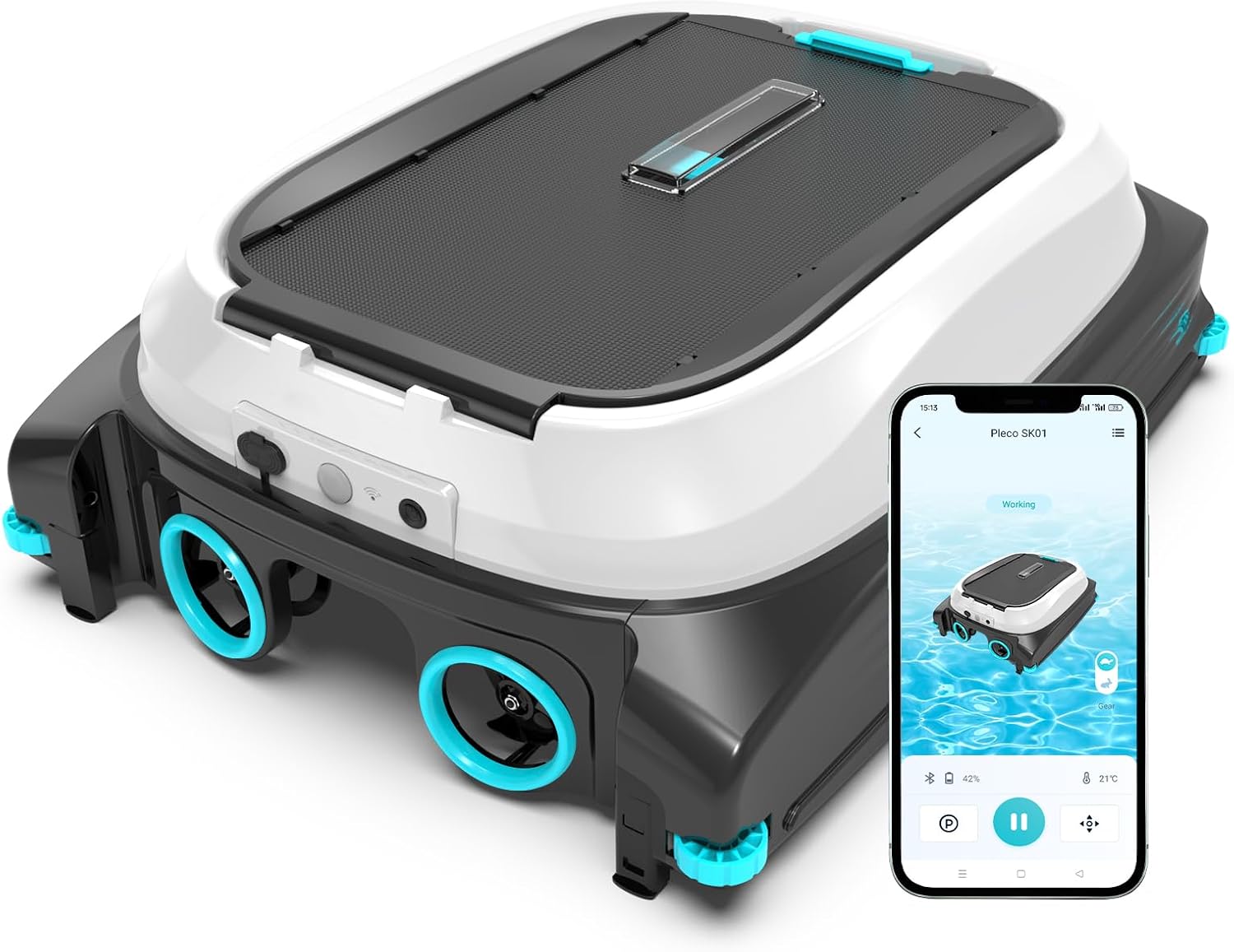
Pleco SK01 Solar Powered Robotic Pool Skimmer with App Control (Obsidian & Ivory)
$284.99 $399.99
52% OFF
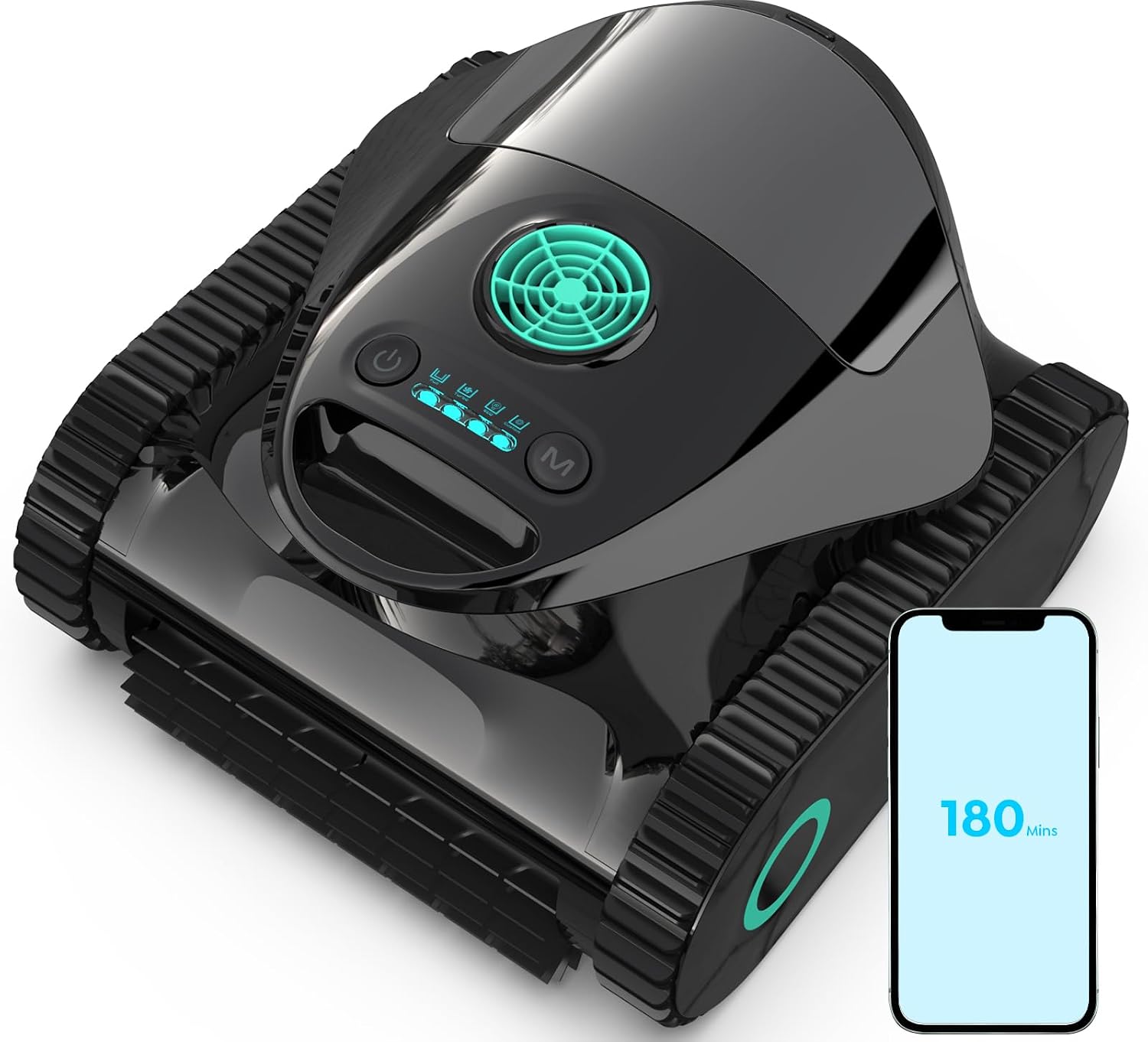
Cordless Robotic Pool Cleaner C1 with Wall Climbing and App Control (Glossy Black)
$290.69 $599.99
52% OFF
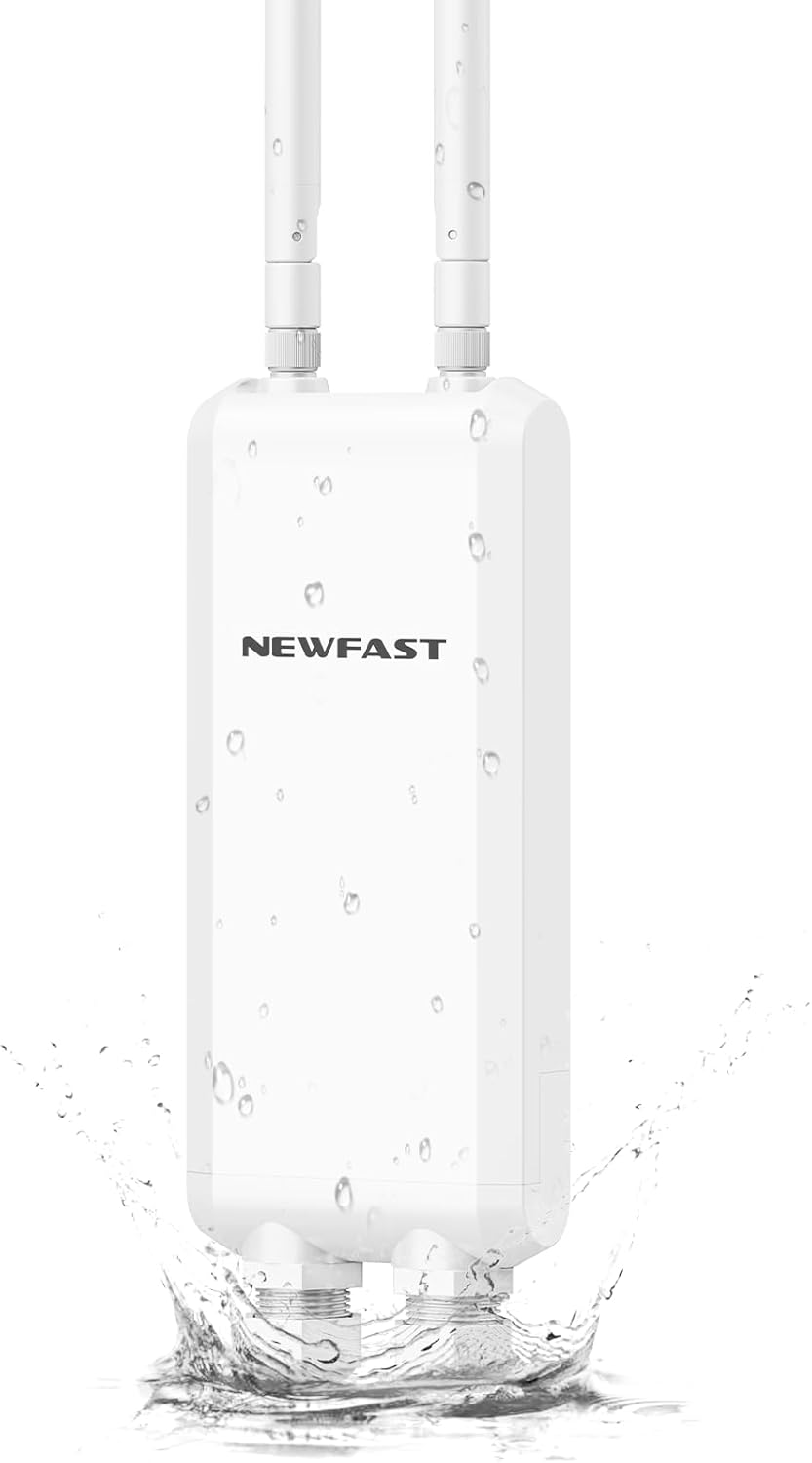
NEWFAST Outdoor WiFi Extender with MU-MIMO and 3 Gigabit Ports (IP66)
$47.99 $99.99
51% OFF
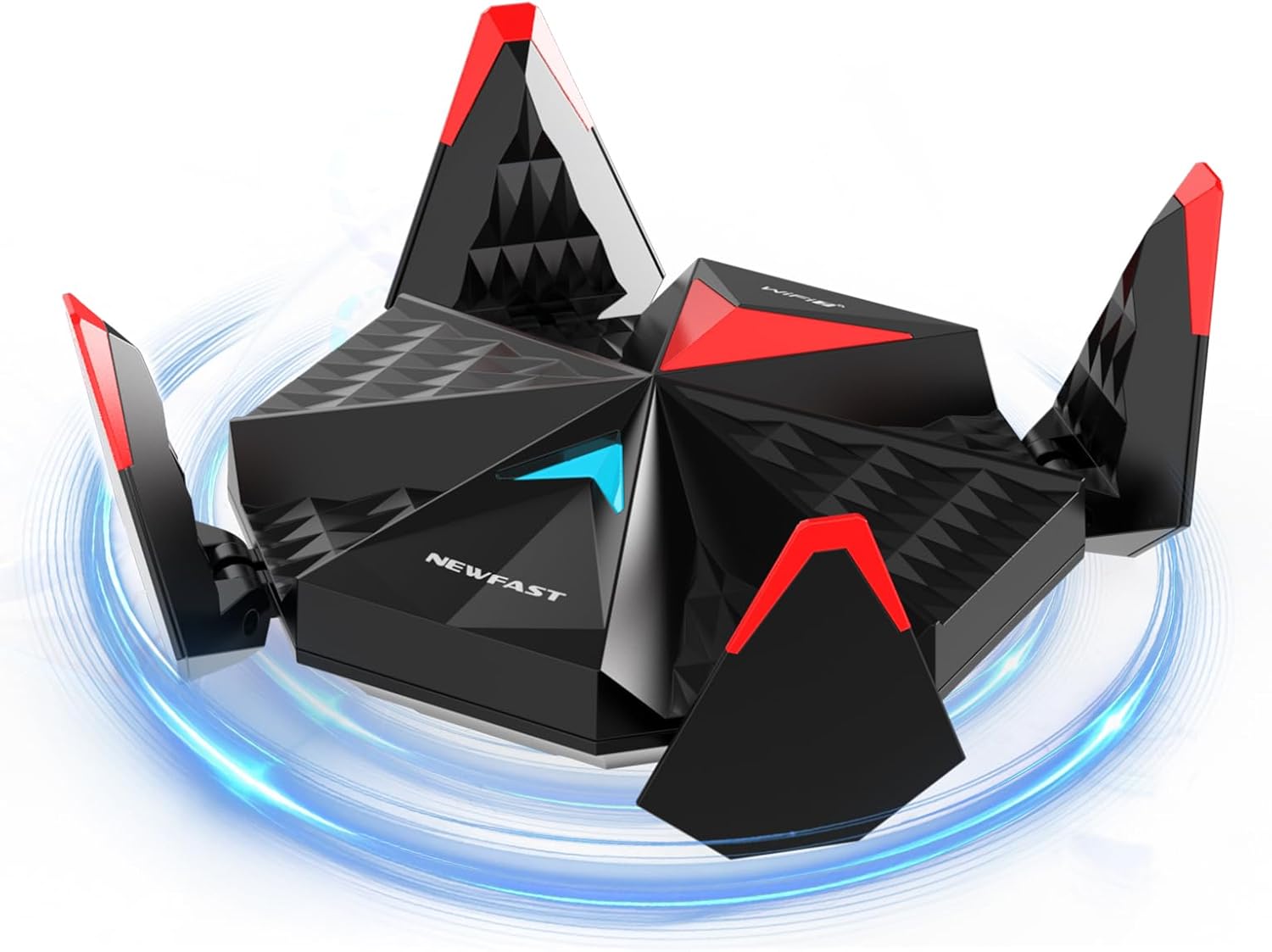
NEWFAST AXE5400 Tri-Band USB WiFi 6E Adapter with 4 Antennas (NF-U357)
$44.45 $89.99
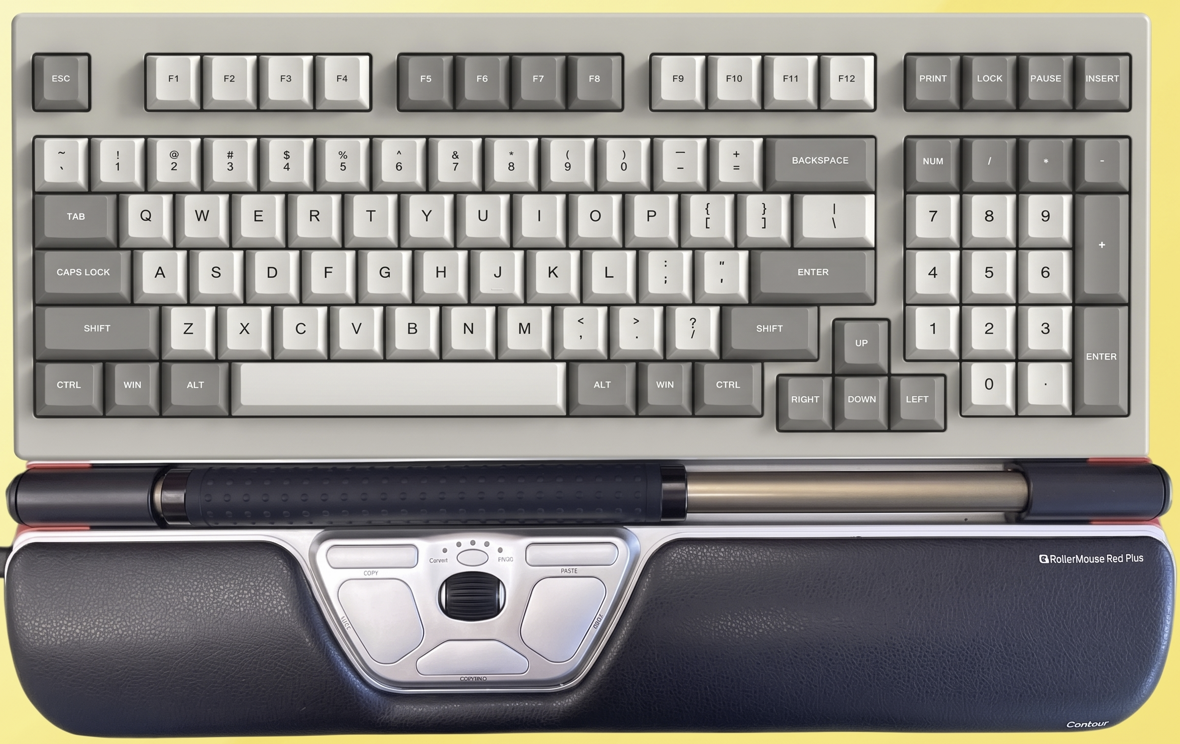
The $400 Mouse I Thought Was Ridiculously Expensive—Until It Changed How I Work
$0 $0
50% OFF
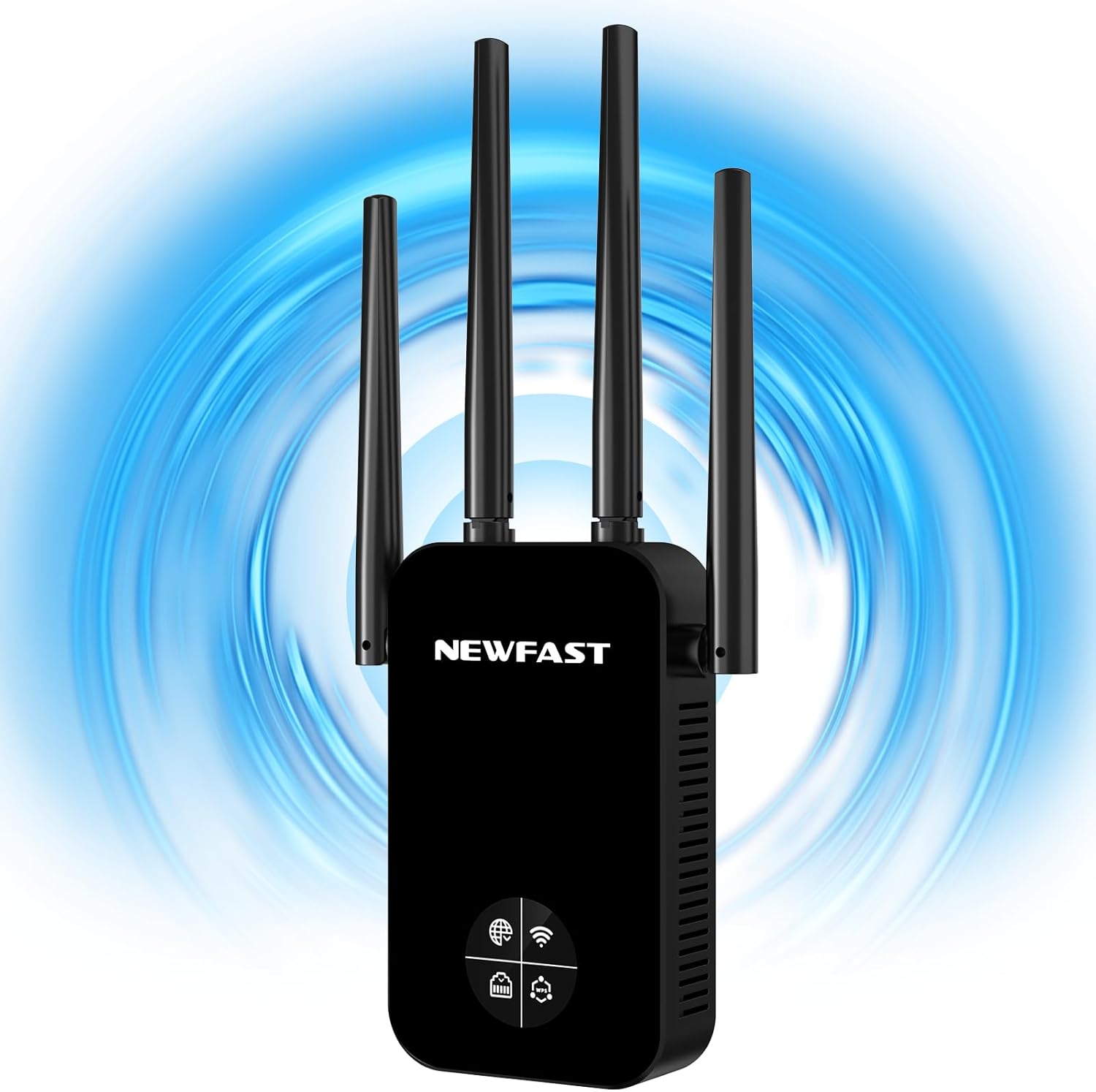
NEWFAST NF-RE523 AC1200 WiFi Extender - 1200Mbps Dual Band Signal Booster & Internet Repeater
$18.5 $36.99
36% OFF

Men's Athletic Running Shorts with Zipper Pockets - Lightweight & Quick Dry
$12.74 $19.99

Sealy 2-Pack Tritech 16" Twin Inflatable Air Mattress with Built-in AC Pump
$0 $113.99
-

Global persecution report raises concerns about erosion of religious freedom in the West
-

Historic churches at risk as report calls for overhaul of heritage funding and planning
-

Catholic teacher says she was dismissed after sharing abortion views with students
-

Christian nurse who won trans case calls for stronger protections for NHS workers
News
-

Amnesty International UK expresses 'regret' over report that branded Christian groups 'anti-rights'
-

Church of England passes motion on Palestinian Christians despite warnings from Chief Rabbi
-

Church of England Synod rejects motion affirming same-sex relationships
-

Christian MP Päivi Räsänen's UK travel authorisation cancelled
-
Christian and pro-life groups reject Amnesty report branding them 'anti-rights'
-

Ann Widdecombe: heroine of the pro-life cause
Most Popular
News

French evangelicals express ‘deep sadness’ after parliament approves assisted suicide law
France’s leading evangelical body has expressed “deep sadness” after the country’s parliament approved legislation legalising assisted suicide.

New school trans guidance receives mixed response from Christians
New guidance said primary schools should only very rarely support the social transitioning of their students.

Imprisoned executive who inspired Matt Damon movie credits God with turning his life around
Mark Whitacre, who was portrayed by Matt Damon in a movie about his life, said, "God took my life from ashes to beauty".

Arrests of children for sexual offences reach record levels
Police figures have shown that children are being arrested in record numbers for sexual offences.
MUCAR 892BT AI-Assisted Bidirectional OBD2 Scan Tool with ECU Coding (8" Touchscreen)
$478.79
NOVETE Smart Countertop Reverse Osmosis Water Filter System with UV & Cooling (CRF0A-Qi)
$99.99
G Gradual Men's Quick Dry Athletic Running Shorts with Zipper Pockets
$12.74
X-Sense 10-Year Sealed Battery Combination Smoke and CO Detector (6-Pack, SC06-W)
$225.21
18K Gold Plated Initial Pendant Necklace with Reinforced Box Chain
$6.49
6-Inch Desktop Pottery Wheel Kit for Beginners with 2.2lb Air Dry Clay
$44.99
Portable Folding LED Book Light Night Lamp with Floral Print Cover
$11.99
Magnelex American Flag Windshield Sun Shade - High-Resolution UV Reflective Heat Shield (X-Large)
$19.9
TailSphere 12-in-1 Turkey Tail Mushroom Immune Support Chews for Dogs (90 Count)
$13.49
Aegend Kids Swim Goggles for Toddlers 3-8 with Anti-Fog and No-Hair-Pull Strap
$4.49
Smart Bluetooth Body Fat Scale with LED Display and Body Composition Analyzer
$21.58
COSLUS C20 Portable Cordless Water Dental Flosser and Oral Irrigator
$7.99
Pleco SK01 Solar Powered Robotic Pool Skimmer with App Control (Obsidian & Ivory)
$284.99
Cordless Robotic Pool Cleaner C1 with Wall Climbing and App Control (Glossy Black)
$290.69
NEWFAST Outdoor WiFi Extender with MU-MIMO and 3 Gigabit Ports (IP66)
$47.99
NEWFAST AXE5400 Tri-Band USB WiFi 6E Adapter with 4 Antennas (NF-U357)
$44.45
The $400 Mouse I Thought Was Ridiculously Expensive—Until It Changed How I Work
$0
NEWFAST NF-RE523 AC1200 WiFi Extender - 1200Mbps Dual Band Signal Booster & Internet Repeater
$18.5
Men's Athletic Running Shorts with Zipper Pockets - Lightweight & Quick Dry
$12.74
Sealy 2-Pack Tritech 16" Twin Inflatable Air Mattress with Built-in AC Pump
$0