
With the coming of the important feast of Pentecost on 30 May, the World Council of Churches (WCC) issued their Pentecost message. The message, signed by the 8 WCC presidents, emphasises the unity in the Holy Spirit within the churches and all people in the world.
The message asks all member churches of WCC to join together this Pentecost to pray that the Holy Spirit may weave the churches together in love and peace. It applies the analogy of the Holy Spirit to a weaver from a Pacific church leader, Reverend Lopeti Taufa. He said during the work of weaving, one thread will be pushed up while another will be pressed down, that means people need to submit themselves so that other people can be pushed up, then a firm link will be formed in the final product. Under the Holy Spirit, people make peace and lower themselves for one another. In the presence of the Holy Spirit, there is a place for submission, a fruit of the spirit, in the life of the family, the church.
He also explained that one thread is weak and limited, but as threads are allowed to be woven together, a strong unit results. The Holy Spirit can bring the isolated together, so that people share themselves and their own identity, enriching the whole togetherness.
The Pentecost message also raises a prayer request to the member churches for social problems around the globe. It draws the attention of the churches to the reality at this present time of the threat of Poverty, Injustice, Wars, HIV/-AIDS, Pollution, Terrorism, and Ethnic Tensions which have caused despair in many quarters. It urges the churches to pray the theme of the Canberra Assembly - Come, Holy Spirit - Renew the Whole Creation - and work for peace, reconciliation and harmony. Churches should pray the Holy Spirit to weave the whole of creation in love and peace and make them instruments of Peace, quoting the Prayer of St Francis of Assisi.
The message elaborates the meaning of the Pentecost to mission. Same as the famous missionary Roland Allen’s belief, the coming of the Holy Spirit at Pentecost is the fulfillment of God's promise through the prophet Joel 2:28: “Then afterward I will pour out my spirit on all flesh; your sons and your daughters shall prophesy, your old men shall dream dreams, and your young men shall see visions.”
While the human nature is shadowed by greed, selfishness and hopelessness, WCC reminds the churches the coming of the Holy Spirit is the promise of Jesus to weave us all in convincing, teaching and witnessing his love and peace. According to the prophecy, regardless of sex, race, age and social standing, all people are to reach out to demonstrate the power of the Holy Spirit to weave God’s grace and love to all of the humanity.
At the end of the message, it expressed the hope that the Holy Spirit can reveal to churches the new spirit of inclusiveness that may weave those outside the World Council of Churches family into a reality of the "whole inhabited world".




-

Edinburgh University ends divinity programmes as theology faces a changing future
-

Why the Archbishop of Canterbury’s award controversy matters
-

More than one in four US Protestant churchgoers believe some biblical truths become outdated
-

Catholicism in France has 'collapsed'
-

Christian leaders issue ‘sober and urgent call’ for Western Church to prepare for disruption
-

Australia's anti-therapy laws harm the most vulnerable - Britain should not copy them
Most Popular
News

Active faith linked to happier marriages and lower divorce rates, study finds
People who regularly attend church are more likely to report happy marriages, according to a new report examining the relationship between faith and family life.
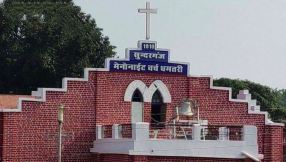
Indian churches fearing anti-conversion laws tell non-Christians: enter at your own risk
Churches in Dhamtari, a town in the central Indian state of Chhattisgarh, have put up notices warning non-Christians that they enter at their own risk, weeks after a law against religious conversion came into force in the state.

£1k bursaries to help churches develop youth and community mentoring programmes
Churches across the UK are being offered bursaries to help them establish mentoring programmes aimed at supporting young people and others in their communities.
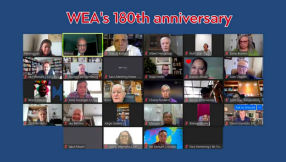
World Evangelical Alliance celebrates 180th anniversary
The World Evangelical Alliance (WEA) has held an online celebration to mark its 180th anniversary. Hundreds of people from more than 22 countries attended, and the event was rebroadcast to accommodate different time zones.








