In the West, accessing a Bible is the natural next step when someone gives their life to Christ. There is no uncertainty around their safety in search of the scriptures. There are no language or legal barriers.
Western faith leaders, authors and scholars have the freedom of access to play pivotal roles in progressing evangelism, activism, and discipleship. Mega churches and church plants alike are well-resourced to engage in the advancement of God's kingdom. Church leaders are armed with the scriptures with an abundance of theological understanding, training, and study behind them.
The Global South looks very different. Hundreds of millions of people in the Global South do not have access to God's Word in their heart language. This may suggest a restriction on evangelism when the reality is the Church is experiencing exponential growth.
I grew up during the Second Sudanese War. Born into a nonreligious family, all around me people were dying. I asked myself 'Where are these people going?'. I had to have an answer because I knew the time would come when I would die.
When I was 10 years old, Muslim troops invaded my community. My mum kissed me and said 'You go northward. May you have peace.' She knew my life was at risk that day.
I ran with the hope that I would survive.
I ended up in a predominantly Muslim town as an orphan and searching for my own destiny, I believed my heart would be filled through Islam. But I still couldn't find the answers to my questions.
I accepted an invitation to attend a Christian gathering and found the fulfilment I had been searching for and dedicated my life to Christ.
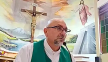
Today I lead a team that is making the Scriptures accessible to 133 people groups totaling more than 44 million people.
In this work, autonomy is key. In recent years, there has been a growing movement within Bible translation networks to facilitate Church-Centric Bible Translation (CCBT). This shift carries an emphasis on the autonomy of local churches in the global South to translate the Bible into their heart language.
The primary contrast between the established models of Bible translation and this emerging model is that of agency. In the emerging model, the church is the primary actor who initiates, plans, executes, and utilizes the outcomes of the Bible translation process. If others participate, it is by the invitation of the church.
This movement towards autonomy is not only a step towards empowering people groups but I believe it is also a vital component for advancing God's kingdom.
The Global South is home to a significant portion of the world's population. It is a diverse tapestry of cultures, languages, and traditions. Entrusting the translation of the Bible to local churches, demonstrates honour and respect for the richness of these diverse contexts, allowing the message of the Gospel to resonate deeply within the hearts and minds of the people.
When we read and study the Bible in our mother tongue, a profound connection between our faith and the scriptures takes place.
Engaging with the Scriptures, wrestling with the text, and discerning its meaning within a specific cultural context is a transformative experience for the local church. It deepens faith, strengthens unity, and equips us to face our communities' unique challenges and opportunities. Through Church-Centric Bible Translation, our discipleship and evangelism become sustainable.
Local leadership is nurtured through this sense of autonomy. As local communities take responsibility for translating the Bible, they nurture a new generation of pastors, theologians, and Bible scholars.
External organizations and foreign missionaries often face limitations in their understanding of local languages, cultures, and nuances. Despite clear and noble intentions, biases can be made, or important cultural nuances are missed.
In contrast, local churches intimately understand the cultural and linguistic dynamics of their communities.
But this autonomy is not a call for isolation or exclusion. Rather, it is a call for collaboration, partnership, and mutual learning. External organizations can play a valuable role by providing technical expertise, training, and resources to equip local churches in their translation efforts.
By working together, we can ensure the highest standards of accuracy, faithfulness, and relevance in the translated Scriptures.
The key to advancing God's kingdom in the Global South lies in the empowerment of local communities and leaders. This emerging model of Bible translation aims to equip the church leaders of a nation such that they are able to address their country's need for church planting, theological maturation, and Bible translation both now and into the future.
As we embrace this paradigm shift, we affirm the value of autonomy and enable the Gospel's transformative power to touch lives and communities in profound and lasting ways.
Rev Tut Kony is the director of a South Sudan-based organisation, which cannot be named for security reasons, partnering with unfoldingWord. For more information on CCBT go to https://ccbt.bible.