One of the Church of England's most senior bishops has lamented that families will not be watching TV together this Christmas.
But there's a greater risk that millions of TV viewers might lose out on some of their most popular programmes altogether, if current trends continue.
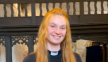
Dame Sarah Mullally, the Bishop of London, told readers of the listing magazine Radio Times that "the way in which we as a nation consume TV and media throughout the year has changed beyond recognition".
"Since my childhood, our lives have become more and more dominated by the instant gratification available through our mobile phones and social media. Streaming sites have sought to displace traditional channels, allowing us to watch whatever we want whenever we want to."
Dame Sarah says that this has caused TV watching to become "more solitary and insular – a far cry from the years many of us remember of three channels and one set per household".
"I can't help thinking," she adds, "that for all the technological advances and abundance of choice, something has been lost."
The bishop's comments have prompted responses, including Robert Crampton of The Times commenting "What about that sole household TV set the bishop extols? Anyone younger than me will think this is a joke but family members used to have to take turns standing on tiptoe, on a chair, waving an aerial to get a signal. Plus everything shut down at midnight – they played the national anthem and that was that. Grim."
Yet, while tens of millions of UK households subscribe to streaming services like Netflix, Amazon Prime or Disney Plus, there remain many homes that access TV only through broadcast channels.
The recent annual conference of influential media group the Voice of the Listener and Viewer (VLV) heard that around 3.3 million UK homes rely solely on broadcast channels, usually watched via the Freeview service.
Statistics from the media regulator Ofcom show that people aged 75 or older, poorer people and people with a disability are significantly more likely to rely only on broadcast TV. They are estimated to make up around 2.6 million of the 'broadcast only' homes.
Although, overall, people are watching much fewer hours of broadcast TV each week – with numbers falling significantly in the last five years – there are still many homes that rely on the 'traditional' broadcasters, such as the BBC, ITV and Channels Four and Five.
These homes could find their TV services under threat from technology – it's more expensive for broadcasters to provide these households with their programming – and from uncertainties around the future of 'public service broadcasting.' Delegates attending the VLV conference heard about the pressures on the BBC licence fee and on increasing costs for all broadcasters.
Both Ofcom and the Department of Culture, Media and Sport are looking at ways of meeting these challenges – especially as the Covid pandemic highlighted the importance of being able to communicate effectively to the entire nation.
Dame Sarah assured her readers "Though viewing figures aren't what they used to be, I sense that the enduring cultural impact of British TV, and the role it plays in bringing us together, will remain steadfast despite the ever-changing technological landscape."
Many are not so sure. Despite the bishop's optimistic words, there are many people concerned about the future of British TV. They want to ensure that it continues to be available as widely as possible – whether there are numerous screens in the home or just one, sitting in the corner...
Rev Peter Crumpler is a Church of England minister in St Albans, Herts, UK, and a former communications director with the CofE.