
KHARTOUM - Senegalese President Abdoulaye Wade said on Monday he would pull his country's troops out of Darfur if it was determined that African peacekeepers who were killed at the weekend were not equipped to defend themselves.
|PIC1|
Twenty AU soldiers were killed or injured and nine missing after a "deliberate and sustained" assault on the Haskanita base in Darfur on Saturday night by armed men in 30 vehicles, who looted and destroyed the base, the African Union said.
The attack, which is being blamed on rebel factions, was the worst single attack on AU forces since the 7,000-strong mission was deployed to western Sudan in 2004.
"If they died because they didn't have the arms to defend themselves, I will withdraw all the Senegalese ... I am not going to send people to be slaughtered," he said, adding he had ordered an investigation into the attack.
The AU has long complained of a lack of equipment in Darfur, including attack helicopters and rapid response vehicles. They have also said their force was too small to contain the conflict in the vast and arid region the size of France.
Senegal has one of the largest contingents in Darfur and has taken casualties in the past. Most of the infantry in Haskanita was Nigerian but military observers were from various countries.
AU spokesman Assane Ba said seven of those killed were Nigerian, one Senegalese, a Malian and one from Botswana.
"AU peacekeepers will remain in Darfur until the United Nations-African Union Hybrid Operation will be deployed," he said from AU headquarters in Ethiopia.
Officials said that around 50 soldiers were missing but most were found on Monday night with nine still unaccounted for.
While AU convoys and individuals have been ambushed -- around 40 killed in the three years prior to the Haskanita attack -- this was the first time an entire base was targeted.
AU force commander Martin Luther Agwai said the mission was making contingency plans and reassessing security. But he said little more could be done without getting desperately needed additional equipment and troops into Darfur.
"People did deployment on the premise that there was an (peace) agreement and they were coming to inspect and act as observers -- there was no planning for people to be able to defend themselves," Agwai said.
URGENCY
Experts estimate 200,000 people have died and 2.5 million driven from their homes as mostly non-Arab rebels in Darfur took up arms in early 2003 accusing the government of neglect. Khartoum mobilised mainly Arab militias to quell the revolt.
The AU mediated a peace agreement between the Sudanese government and Darfur rebels in May 2006 but only one of three rebel negotiating factions signed the deal. Since then, rebels have split into a dozen factions.
The violence, which includes militias and tribal conflicts, has severely curtailed the world's largest aid operation.
Saturday's attack casts a shadow on AU-U.N.-mediated talks due to begin in Libya on Oct. 27. Condemnation of the attacks came in from around the world.
White House spokeswoman Dana Perino said the violence underscored the urgency of the AU-UN mission.
"Obviously what the president (George W. Bush) wants is that U.N. peacekeeping force to get there as soon as possible because we are committed to ending the violence and providing assistance to the people who are suffering there in Darfur," she said.
Suleiman Jamous of the Sudan Liberation Army (SLA) Unity faction, one of two groups accused of the attack, said if his faction was involved it was a local - not leadership - decision.
"I have asked the leadership of SLA Unity to withdraw all the troops from the area, to where they can be under the direct control of the military command," Jamous said.
SLA Unity and a breakaway faction of the Justice and Equality Movement (JEM) led by Bahr Idriss Abu Garda have forces in the Haskanita area.
SLA Unity political head Abdallah Yehya denied any of his forces were involved, blaming militias allied to the army.
"All my forces are now far away from the area. This was the government and militias," he told Reuters.
The attack preceded a visit of "elders" to Sudan, including South African Archbishop Desmond Tutu, ex-U.S. President Jimmy Carter, veteran peace mediator Lakhdar Brahimi and women's and children's rights advocate Graca Machel. On Monday they met Sudanese President Omar Hassan al-Bashir.
50% OFF

NEWFAST NF-RE523 AC1200 WiFi Extender - 1200Mbps Dual Band Signal Booster & Internet Repeater
$18.5 $36.99
48% OFF
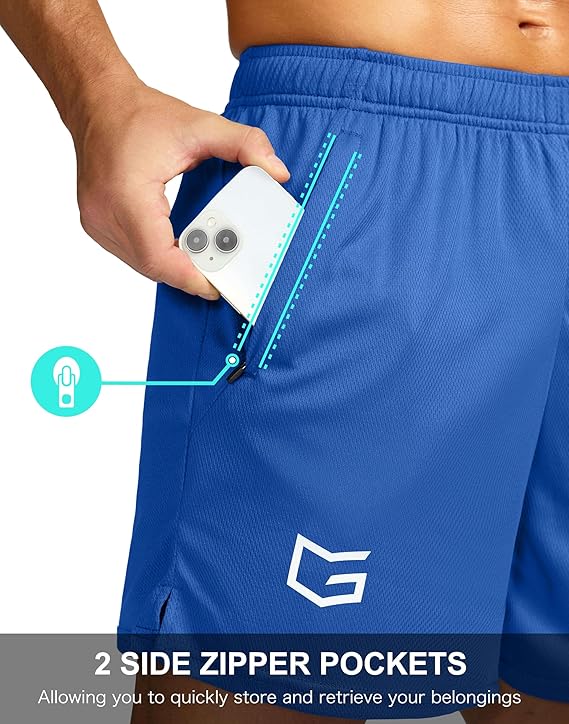
G Gradual Men's 7-inch Workout Running Shorts - Lightweight, Quick-Dry, Comfort
$12.91 $24.99
50% OFF

HDPE All-Weather Adirondack Chair with Built-In Cup Holder - Tool-Free Assembly (Grey)
$69.99 $139.99
60% OFF

HOMETUK Clear Plastic Storage Bins with Dividers - 3-Pack Stackable Acrylic Organizer Containers for Fridge and Pantry
$19.99 $49.99
58% OFF

G Gradual Men's Fishing Shirt - UPF 50+ Lightweight Short Sleeve Button Down with Zipper Pockets
$14.99 $35.99
55% OFF

Everyfun 60" Rectangular Platform Tree Swing - 700lbs Heavy Duty Adjustable Outdoor Swing (Colorful)
$49.99 $110.99
61% OFF

Ekouaer Women's Casual Loose Jumpsuit - One-Piece Printed Sleeveless Wide Leg Romper with Pockets
$14.99 $37.99
40% OFF
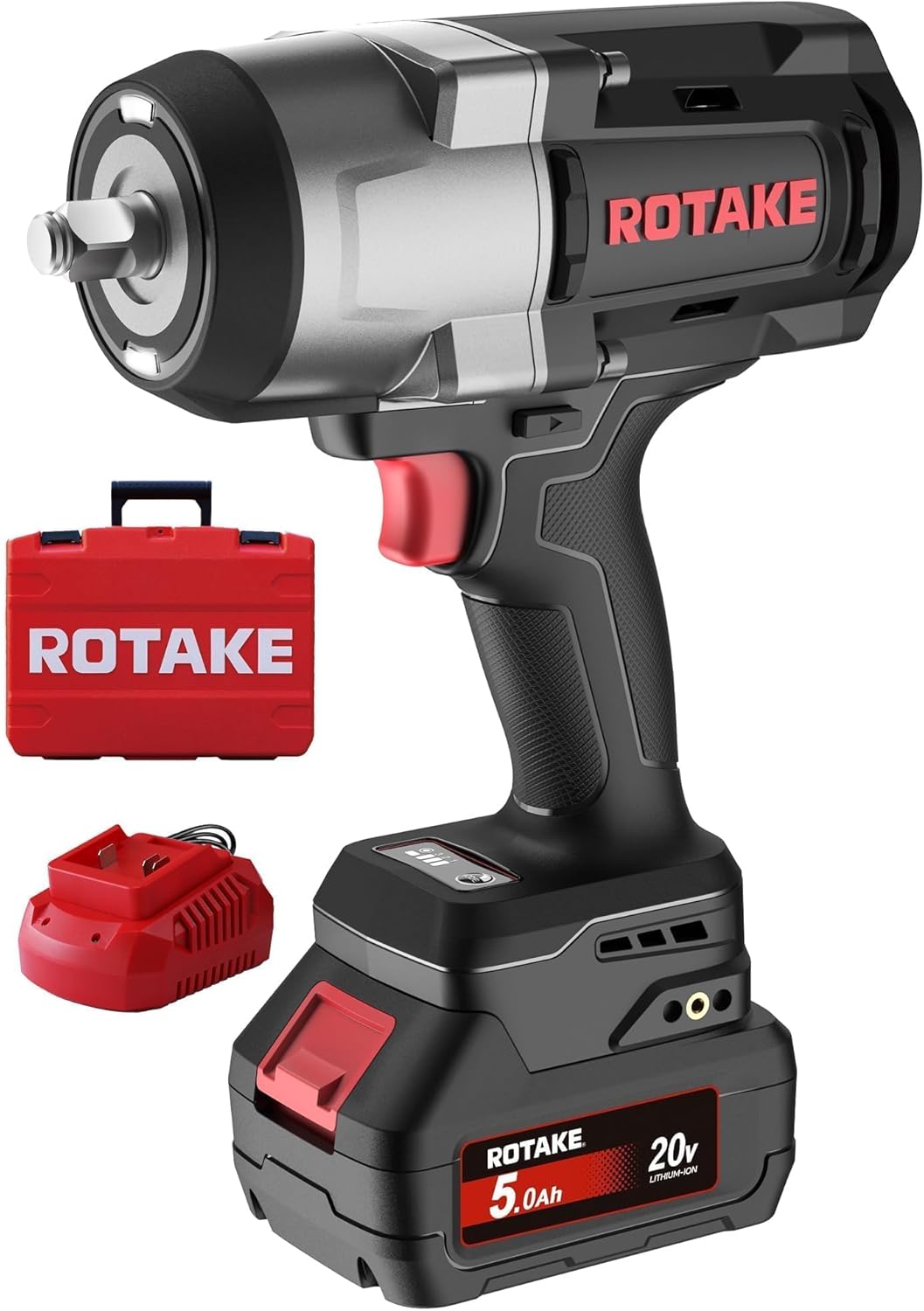
ROTAKE TB3 20V Heavy Duty 1/2" Cordless Impact Wrench Kit - 1380 Ft-Lbs Torque
$132 $219.99
36% OFF

Men's Athletic Running Shorts with Zipper Pockets - Lightweight & Quick Dry
$12.74 $19.99
61% OFF

Modern Ceiling Fan with Light and Remote - Reversible Quiet DC Motor
$69.3 $179.99
50% OFF

MOOKA H13 True HEPA Air Purifier for Home Large Room - 1076 sq ft Odor Eliminator
$39.97 $79.95
60% OFF

Ekouaer Women's Satin Silky Pajama Set - Short Sleeve Pullover Top & Wide-Leg Pants
$13.99 $34.99
55% OFF

Ekouaer 3-Piece Maternity & Nursing Pajamas Set - Short Sleeve Top with Shorts and Pants
$14.99 $32.99
11% OFF

VitaUp Beet Root Gummies with CoQ10 & Grape Seed - Nitric Oxide Circulation Support (60 Count)
$24.91 $27.91

Sealy 2-Pack Tritech 16" Twin Inflatable Air Mattress with Built-in AC Pump
$0 $113.99
20% OFF

INTEX Prism Frame 20ft x 52in Above Ground Pool Set - Round Steel Frame Swimming Pool
$695.99 $869.99

Gardner Pet 43" Heavy Duty Dog Crate with Wheels - Indestructible Folding Metal Cage (Black)
$0 $149.99
12% OFF

Elegant Mid-Century Modern Bar Stools - Set of 4
$395.99 $449.99
23% OFF

Ergonomic Office Chair - Big and Tall Desk Chair with Adjustable Lumbar Support
$279.99 $363.99
26% OFF

Magnelex American Flag Windshield Sun Shade - High-Resolution UV Reflective Heat Shield (X-Large)
$19.9 $26.9




-
Historic Lancashire church secures £250,000 National Lottery grant for major roof repairs
-
Sunderland Minster PCC was right to push back over trans toilet sign
-

Report warns religious freedom protections in Mexico exist largely ‘on paper’
-

Bethel Church distances itself from Todd Bentley and Mike Bickle
-

Christian police officer reaches settlement over diversity training discrimination claim
-
Turkey's hidden Christian past: Extraordinary discoveries are rewriting the story of early Christianity
Most Popular
News

Praying for the World Cup
Let's pray that in a world of conflict and division the World Cup may bring joy to many this summer.
Pride and the Gospel: the way of self or the way of Christ?
As Christians, our understanding of pride is shaped not primarily by culture, but by Scripture.
Campaign urging greater support for Christian education
Unite for Education founder, Niel Deepnarain, said Christians must be willing to engage publicly with educational issues rather than remain silent.
Welsh reverend speaks of culture of fear over LGBT issues
Many people have already left the Church in Wales over its stance on same-sex relationships, an evangelical leader has said.
NEWFAST NF-RE523 AC1200 WiFi Extender - 1200Mbps Dual Band Signal Booster & Internet Repeater
$18.5
G Gradual Men's 7-inch Workout Running Shorts - Lightweight, Quick-Dry, Comfort
$12.91
HDPE All-Weather Adirondack Chair with Built-In Cup Holder - Tool-Free Assembly (Grey)
$69.99
HOMETUK Clear Plastic Storage Bins with Dividers - 3-Pack Stackable Acrylic Organizer Containers for Fridge and Pantry
$19.99
G Gradual Men's Fishing Shirt - UPF 50+ Lightweight Short Sleeve Button Down with Zipper Pockets
$14.99
Everyfun 60" Rectangular Platform Tree Swing - 700lbs Heavy Duty Adjustable Outdoor Swing (Colorful)
$49.99
Ekouaer Women's Casual Loose Jumpsuit - One-Piece Printed Sleeveless Wide Leg Romper with Pockets
$14.99
ROTAKE TB3 20V Heavy Duty 1/2" Cordless Impact Wrench Kit - 1380 Ft-Lbs Torque
$132
Men's Athletic Running Shorts with Zipper Pockets - Lightweight & Quick Dry
$12.74
Modern Ceiling Fan with Light and Remote - Reversible Quiet DC Motor
$69.3
MOOKA H13 True HEPA Air Purifier for Home Large Room - 1076 sq ft Odor Eliminator
$39.97
Ekouaer Women's Satin Silky Pajama Set - Short Sleeve Pullover Top & Wide-Leg Pants
$13.99
Ekouaer 3-Piece Maternity & Nursing Pajamas Set - Short Sleeve Top with Shorts and Pants
$14.99
VitaUp Beet Root Gummies with CoQ10 & Grape Seed - Nitric Oxide Circulation Support (60 Count)
$24.91
Sealy 2-Pack Tritech 16" Twin Inflatable Air Mattress with Built-in AC Pump
$0
INTEX Prism Frame 20ft x 52in Above Ground Pool Set - Round Steel Frame Swimming Pool
$695.99
Gardner Pet 43" Heavy Duty Dog Crate with Wheels - Indestructible Folding Metal Cage (Black)
$0
Elegant Mid-Century Modern Bar Stools - Set of 4
$395.99
Ergonomic Office Chair - Big and Tall Desk Chair with Adjustable Lumbar Support
$279.99
Magnelex American Flag Windshield Sun Shade - High-Resolution UV Reflective Heat Shield (X-Large)
$19.9