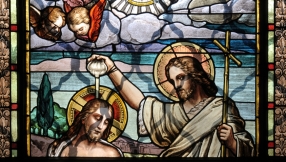
A historic Lancashire church has secured £250,000 in funding from the National Lottery Heritage Fund to carry out urgent repairs that will safeguard one of Oswaldtwistle's oldest buildings.
Immanuel Church, a Grade II-listed building dating back to 1836-37, has been awarded the grant to undertake extensive restoration work on its roof, addressing concerns about the long-term preservation of the landmark and ensuring it remains available for worship and community use.
The church, which forms part of the Parish of Oswaldtwistle, is a prominent feature of the town and hosts a wide range of activities, including baptisms, weddings, funerals, community gatherings and visits from local and international groups.
Church leaders said the project would not only protect an important piece of local heritage but also create opportunities for residents, schools and volunteers to become involved through training programmes and heritage-focused events.
Churchwarden at Immanuel Church, Wendy Hope, welcomed the funding award.
“We are thrilled to have received this support from The National Lottery Heritage Fund,” she said. “Thanks to National Lottery players we can restore and preserve the church for generations to come.”
The Venerable Jane Atkinson, Archdeacon of Blackburn, described the grant as an important investment in a building that plays a central role in local life.
She continued: “This funding will help to ensure the building can continue to be a space of welcome, worship and connection for generations to come. I'm excited to see how it enables even more people to be part of its story in the future as the church continues to share the good news of Jesus Christ.”
The award comes at a challenging time for many historic churches across England, which face rising maintenance costs and growing concerns over funding for essential repairs.
Last month, the National Churches Trust (NCT) criticised changes to government support for listed places of worship after the long-running Listed Places of Worship Grant Scheme, which refunded VAT on repair work, was replaced by a new funding programme with a more limited scope.
The NCT has argued that churches are being unfairly burdened with repair costs, noting that places of worship are now required to pay the full 20% VAT on restoration work despite serving as community assets and housing significant heritage collections.
The organisation warned that increasing financial pressures could make it more difficult for congregations to maintain historic buildings, particularly in smaller communities where fundraising capacity is limited.
Against that backdrop, the funding awarded to Immanuel Church represents a significant boost for the parish and highlights the increasingly important role of charitable and lottery funding in preserving Britain’s ecclesiastical heritage.