Remains of 16th century cross found in Arkansas

Archaeologists believe they have found the remains of a 16th century cross that was erected in the US by a Spanish conquistador.

Hernando de Soto, who made a fortune from his conquest of the Inca empire and who married into a family that was close to Spain's Queen, is believed to have erected the cross in a village of the Casqui tribe in Arkansas.

Archaeologists found the ancient fragments of wood at the Cross County site that is believed to be the mound where de Soto placed the cross with the help of Casqui people who he had baptised.

Archaeologists have been looking for the cross since the 1960s, according to the Arkansas Archeological Survey which reported the find. Decades ago they were called to the Parkin Archeological State Park, where the fragments were found, to tidy up some holes left by treasure hunters, and found a large wooden post. 

A sample from the post was taken and stored, and it was carbon-dated as long ago as 1992.

In 2015, the Elfrieda Frank Foundation agreed to fund a new search for the remains of the cross. During the dig last week, archaeologists rediscovered the wooden post along with fragments from Native American pots. The cypress wood, which shows signs of having been burned, is to be sent to a tree ring expert and if it is found to date from 1541 it will be confirmed as the Cross of de Soto.

Dr Jeffrey Mitchem, the Parkin site archaeologist for the Arkansas Archeological Survey, said: "This is a very exciting development. The combination of the wooden post segment and the undisturbed large post hole both point to a strong presumption that this is de Soto's cross from 1541. Hopefully the dating studies, especially the tree rings, will confirm it."

related articles
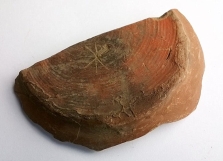
Ancient pot fragment with Christ symbol shows Christians lived in London as early as the 4th century

Ancient pot fragment with Christ symbol shows Christians lived in London as early as the 4th century

Ruins of ancient Byzantine church discovered in Gaza

Ruins of ancient Byzantine church discovered in Gaza

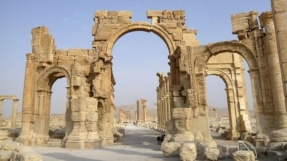
Arch of Triumph of Palmyra, not Temple of Baal, to rise in New York and London

Arch of Triumph of Palmyra, not Temple of Baal, to rise in New York and London

Rare discovery of ancient stone cross fragments reveal English town as \'centre for Christianity\'
Rare discovery of ancient stone cross fragments reveal English town as 'centre for Christianity'

Rare discovery of ancient stone cross fragments reveal English town as 'centre for Christianity'

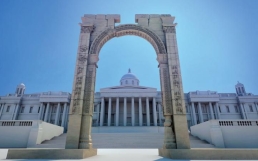
ISIS-destroyed Palmyra arch recreated in London\'s Trafalgar Square
ISIS-destroyed Palmyra arch recreated in London's Trafalgar Square

ISIS-destroyed Palmyra arch recreated in London's Trafalgar Square

News
Lessons from Old Testament figures: Jonathan

As we continue our series exploring the lives of Old Testament figures, we turn to Jonathan - a prince and warrior whose remarkable faith, courage and sacrificial friendship reveal what it means to put God’s purposes above our own.

New resource launched to bring evangelism and social action together

Christian charity Jubilee+ is launching a new resource designed to help churches connect their work tackling poverty with sharing the Christian faith.

500 million Christians worldwide face Bible access restrictions, report finds

At the same time, more than 125 million Christians want a Bible but do not have one, according to the 2026 Bible Access List.

Sukkot: humble hut or clouds of Divine glory?

Jewish academic and Hebrew scholar Irene Lancaster explains the significance of Sukkot in Judaism.