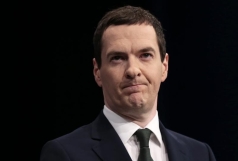
Chancellor George Osborne said on Tuesday he would boost the budget of England's cash-strapped health service more rapidly than expected, a day before he is due to announce big cuts to other areas of government.
Since 2010 Osborne has cut most areas of public spending to reduce public borrowing, but he increased the National Health Service (NHS) budget by slightly more than inflation. In July he promised to spend an extra £10 billion a year by 2020 on top of inflation-linked rises.
Today Osborne said £6 billion of that increase would come by next year, a faster rate of increase than many hospital managers had expected.
"This settlement is a clear and highly welcome acceptance of our argument for front-loaded NHS investment," the chief executive of the NHS in England, Simon Stevens, said.
Last week Britain's Guardian newspaper reported that Osborne had rejected a request by Stevens to increase the NHS England budget by £4 billion by next year, amid news that most hospitals were struggling to meet existing budget targets.
Junior doctors have recently threatened to strike over plans to cut extra pay they receive for working evenings and weekends.
Osborne is due to present a plan for public spending cuts on Wednesday which will see many departments and municipal authorities suffer real-terms losses of around a quarter by 2020, on top of similar reductions over the past five years.
Despite this, most economists think he is likely to miss his targets to reduce borrowing this year and some think he will struggle with his goal to reach a meaningful budget surplus before the next national election in May 2020.
Britain is due to spend £112 billion on state-provided healthcare in the year to March, more than a third of day-to-day spending on public services.
But private spending on healthcare is low by international standards, and according to OECD figures total health spending in 2013 was less than almost all other advanced economies with a similar population at 8.5 per cent of the economy.