
|PIC1|Churches stand at a crossroads in Sudan where the transition from decades of conflict to peace and reconstruction remains bumpy and Islam and Christianity cross paths, says the head of the World Council of Churches the Rev Dr Samuel Kobia.
Kobia was in Sudan as part of an international ecumenical solidarity visit to the country from 26 March to 3 April. During the closing session of the three-day Congress of Sudanese Churches in Juba, the capital of southern Sudan, Kobia said that Sudan had historically been a place where Islam meets Christianity and where Arab and black African live side by side.
Of the 39 million people living in Sudan, Muslims form the vast majority, while Christians account for around 17 per cent of the population, and 10 per cent follow African traditional religions.
The country is on a fragile road to recovery after the Comprehensive Peace Agreement (CPA) officially ended decades of civil conflict between the north and south in 2005. An estimated 2 million Sudanese died in the conflict, and in the last five years alone an estimated 2 million have been displaced from their homes.
Under the precarious CPA, a government of national unity was established between north and south, and an autonomous government of the Sudan People's Liberation Movement was set up in the south, but outbreaks of conflict between rebel groups and government-backed militias persist.
"The CPA holds Sudan together", said Kobia. He acknowledged, however, that with significant challenges threatening to prevent the agreement from being a success, civil society and the churches in particular had a crucial role to play in rebuilding southern Sudan.
As the liberation period makes way for a new phase of nation building, churches should carry through a similar shift in focus, said Kobia. He urged churches to engage in the monitoring of the CPA's implementation, boosting citizens' participation through civic education, and reconciliation work to heal the scars left by the war.
Kobia stressed the need for collaboration between ecumenical groups but said that Sudan's churches needed to "earn the confidence and trust of the ecumenical family", showing that "they have what it takes to accomplish the tasks ahead". The Sudanese churches "have quite a way to go in this respect", he conceded.
Early on in the ecumenical visit, Kobia stressed the need for deepened inter-religious dialogue in a meeting with the Sudan Interreligious Council in Khartoum. He said the "A Common Word" letter sent to Christian leaders around the world last October by 138 Muslim leaders presented an "extraordinary opportunity to renew the Muslim-Christian dialogue".
He added in the meeting that the WCC was encouraging its 349 member churches and organisations to reflect on the letter and engage in dialogue with the Muslim community.
The ecumenical visit was organised by the All Africa Conference of Churches (AACC) and the World Council of Churches (WCC), the visit is hosted by the Sudan Council of Churches (SCC). The ACT-Caritas Darfur Emergency Response Operation facilitated the visit to the Darfur region.
-

Christian leaders issue ‘sober and urgent call’ for Western Church to prepare for disruption
-
New pilgrimage route follows in the footsteps of the Manx Bible translators
-

Christian social worker returns to Court of Appeal in dispute over withdrawn job offer
-

Plans afoot for new pro-life group at the UN
News
-

Edinburgh University ends divinity programmes as theology faces a changing future
-

Why the Archbishop of Canterbury’s award controversy matters
-

Third of young people now turning to AI for friendship, research finds
-

Catholicism in France has 'collapsed'
-

Songs of Praise celebrates 65 years with special anniversary episode - and finds a new generation online
-

Australia's anti-therapy laws harm the most vulnerable - Britain should not copy them
Most Popular
News
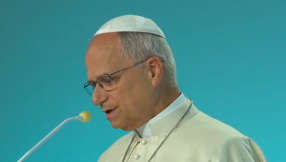
Pope urges Church to find its voice in secular France
France was previously known as the "first daughter" of the Catholic Church.
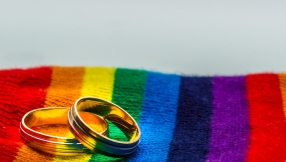
Church in Wales pauses plans to allow gay marriage
The Church in Wales has pulled back from plans to allow homosexual weddings to take place in churches.
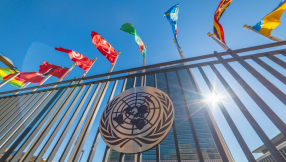
Plans afoot for new pro-life group at the UN
Organisers specifically said they wanted to counter organised LGBT influence at the UN level.
Southwark bishops denounce 'Christian nationalism'
There is considerable disagreement about what "Christian nationalism" actually is.








