ISIS selling ancient Hebrew and Aramaic manuscripts online

Having looted and pillaged ancient heritage sites across Iraq and Syria, Islamic State is now believed to be selling stolen artefacts on social media sites.

Facebook has now taken down pages thought to be selling artefacts such as coins, statues and manuscripts written in both Hebrew and Aramaic. It is thought that the items have all come from Syria.

Washington DC-based journalist Zaid Benjamin was the first to highlight the issue, posting screenshots of the pages to Twitter on June 4.

A privacy spokesman for Facebook told Fox News: "We may not always be able to identify artefacts as stolen, but insofar as we can when someone reports content to us, we will remove this content."

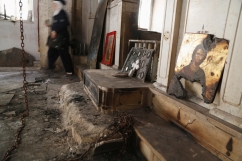
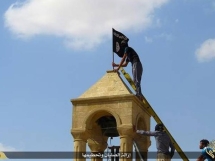
ISIS militants have taken millions of pounds worth of artefacts from ancient buildings, including churches, across Iraq and Syria since the group began its uprising. A senior Iraqi intelligence official told the Guardian last year that jihadists had taken $36million, around £23million, from the al-Nabuk area – a mountainous region west of Damascus.

President of the Belgian federal police council, Willy Bruggeman, then told The Times in December that Western collectors are thought to be in direct contact with ISIS.

Militants are "using their own networks to come into contact with the final buyers...they want to have a one-to-one relationship with the collectors," Bruggeman claimed. He said murals and masonry ripped from church walls are among the most commonly traded artefacts, and attacking religious sites is a means by which ISIS can "undermine the morale of the communities they invade".

According to Fox News, stolen goods are usually transported through Turkey or Lebanon, where they are offered for sale. The International Council of Museums has issued a 'red list' to help police and custom officials to identify artefacts which have been taken illegally, but American imports of ancient artefacts from the Middle East and North Africa apparently increased significantly between 2011 and 2013.

related articles
Islamic State destroys historic church in Mosul

Islamic State destroys historic church in Mosul

Iraqi churches used as Islamic State prisons

Iraqi churches used as Islamic State prisons

Islamic State selling church artefacts worth millions to western collectors

Islamic State selling church artefacts worth millions to western collectors

Islamic State open market to sell goods stolen from Christians in Mosul

Islamic State open market to sell goods stolen from Christians in Mosul

Islamic State to turn historic Mosul church into a mosque for its fighters

Islamic State to turn historic Mosul church into a mosque for its fighters

News
Pope seeks prayers for peace in Christmas Day message

The Pope asked people to pray in particular for the "tormented people of Ukraine" in his Christmas Day 'Urbi et Orbi' message. 

Who was St Stephen and why is he remembered on December 26?

The carol says, “Good King Wenceslas last looked out on the Feast of Stephen.” In many countries, December 26, also known as Boxing Day, is better known as St Stephen’s Day. Stephen was the first Christian martyr. This is the story …

King Charles reflects on pilgrimage, reconciliation and hope in Christmas Day address

King Charles III used his Christmas Day speech to reflect on the significance of pilgrimage as he appealed to the nation "to cherish the values of compassion and reconciliation". 

2 Timothy 3:16 is Logos' Bible verse of the year, Matthew was the most studied book

One of the most-studied Bible verses of the year is from 2 Timothy in the New Testament, according to an analysis of millions of Bible study sessions that tracked how believers worldwide are engaging with Scripture.