ISIS demolishes 2,000-year-old 'Gate of God' in ancient city of Nineveh in Iraq

The reconstructed Mashki Gate in Nineveh before its reported demolition by ISIS. (Wikipedia)

The Islamic State (ISIS) has destroyed another 2,000-year-old archaeological treasure in the ancient city of Nineveh, according to United Press International (UPI).

The Mashqi Gate, also known as "Gate of God" in Nineveh near Mosul, was reportedly demolished by the terror group with the use of military equipment.

The British Institute for the Study of Iraq and the Baghdad Antiquities Department both confirmed the demolition of the ancient structure by the extremist group, the Independent reports.

"ISIS views tombs they destroy as sacrilegious and a return to paganism," Syrian antiquities chief Abdul Maamoun Abdulkarim said, as quoted by the ARA News.

Unconfirmed reports also mentioned that the group was dismantling the walls of Nineveh and selling separate stone blocks.

Nineveh was once the largest city in the world dating back to the 7th century B.C. during the reign of King Sennacherib, WND reports.

According to biblical records, the ancient city was synonymous with "wickedness."

The Mashqi Gate was also mentioned in the Bible. It was said to have been excavated in the 1960s and subsequently restored. It was one of the many grand gates that protected the Assyrian city, history books say.

The destruction of the gate is the latest in ISIS' campaign of cultural vandalism.

Earlier, the extremist group also destroyed other archaeological sites in Iraq and Syria, using explosives and bulldozers, while salvaging for sale on the black market items more easily transported.

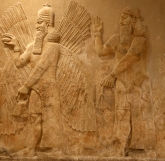
Among the sites demolished were those in the Assyrian city of Nimrud, including the winged bull, and those in the Mosul National Museum. The vandalism of Mosul's museum done by the militants was reportedly shown in a propaganda footage released in February 2015.

In Mosul's library, the extremist group burned more than 100,000 old books and manuscripts that were reported to be among UNESCO's historical rarities, reports WND.

Although only recently been forced out of Palmyra, Syria, the extremist group also left in ruins the iconic Temple of Bel, the Arch of Triumph and the Temple Baalshamin in August 2015.


related articles
U.S. sending more troops to Iraq, bolstering 3,700 soldiers already on the ground, after \'lucky strike\' kills Marine
U.S. sending more troops to Iraq, bolstering 3,700 soldiers already on the ground, after 'lucky strike' kills Marine

U.S. sending more troops to Iraq, bolstering 3,700 soldiers already on the ground, after 'lucky strike' kills Marine

Islamic State driven out of Syria's ancient Palmyra city

Islamic State driven out of Syria's ancient Palmyra city

ISIS destroy ancient Assyrian \'Gate of God\' near Mosul
ISIS destroy ancient Assyrian 'Gate of God' near Mosul

ISIS destroy ancient Assyrian 'Gate of God' near Mosul

U.S. provides Kurds with heavy weapons ahead of looming offensive to retake Mosul from ISIS

U.S. provides Kurds with heavy weapons ahead of looming offensive to retake Mosul from ISIS

News
Pope seeks prayers for peace in Christmas Day message

The Pope asked people to pray in particular for the "tormented people of Ukraine" in his Christmas Day 'Urbi et Orbi' message. 

Who was St Stephen and why is he remembered on December 26?

The carol says, “Good King Wenceslas last looked out on the Feast of Stephen.” In many countries, December 26, also known as Boxing Day, is better known as St Stephen’s Day. Stephen was the first Christian martyr. This is the story …

King Charles reflects on pilgrimage, reconciliation and hope in Christmas Day address

King Charles III used his Christmas Day speech to reflect on the significance of pilgrimage as he appealed to the nation "to cherish the values of compassion and reconciliation". 

2 Timothy 3:16 is Logos' Bible verse of the year, Matthew was the most studied book

One of the most-studied Bible verses of the year is from 2 Timothy in the New Testament, according to an analysis of millions of Bible study sessions that tracked how believers worldwide are engaging with Scripture.