
The Nobel laureate is buried in Kolkota, formerly Calcutta, at the headquarters of the order she founded, the Missionaries of Charity.
Spokesman for India’s foreign ministry, Vishnu Prakash, said: “Mother Teresa was an Indian citizen and she is resting in her own country, her own land.”
Mother Teresa was born in Skopje, Macedonia, to an ethnic Albanian family. After some time in Ireland, she came in 1929 to the Indian city of Darjeeling where she taught at a girls’ convent, and finally settled in Calcutta where she worked with the city’s poor until her death in 1997. She was beatified in 2003 by pope John Paul II.
Albanian Prime Minister Sali Berisha wants her remains to be returned to Albania in time for the 100th anniversary of her birth next year.
In spite of India’s refusal, Mr Berisha has expressed his desire to negotiate with the Indian government.
“The governments of two states should talk about this in the near future,” he said.
The Missionaries of Charity said it was not aware of any attempts to have Mother Teresa’s remains removed from the simple tomb at its headquarters.
A spokesman for the Catholic Bishops’ Conference of India, meanwhile, urged the Indian government to consult the Church and the Missionaries of Charity.
Fr Babu Joseph said: “We would want her remains to be in India.”




-

More than one in four US Protestant churchgoers believe some biblical truths become outdated
-

Wycliffe celebrates ‘remarkable moment’ as Bible translation advances at rapid pace
-

Could the Church face a ‘silver uprising’?
-

Christian leaders issue ‘sober and urgent call’ for Western Church to prepare for disruption
-

Church in Wales pauses plans to allow gay marriage
-

Christian social worker returns to Court of Appeal in dispute over withdrawn job offer
Most Popular
News

Majority back Ireland’s three-day abortion waiting period, poll finds
A new poll has found majority support for retaining Ireland’s mandatory three-day waiting period before an abortion, as lawmakers continue to consider legislation that would remove the requirement.

ONS figures show 'good' outlook for married couples
The Coalition for Marriage (CFM) has welcomed new figures suggesting that married couples are increasingly staying together.
Christians condemn sexual violence following UN report on Russia-Ukraine conflict
Most cases of sexual violence documented were against male prisoners of war.
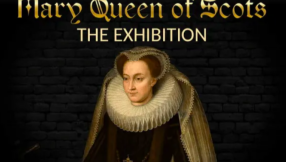
Peterborough Cathedral opens exhibition on Mary, Queen of Scots
Peterborough has opened a new exhibition on Mary, Queen of Scots, that will remain in place until 15 November.








