The eight-day festival is also known as the Festival of Lights and the Feast of the Dedication. It coincides with the Christmas season but varies according to the Hebrew calendar; this year it began on December 6 and will finish on December 14.
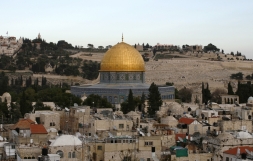
Hanukkah (also spelt Chanukah or Hanukah) commemorates the rededication of the Temple in Jerusalem after the defeat of the forces of Antiochus Epiphanes by the great Judas Maccabeus. Antiochus' Seleucid Empire was cruel and oppressive, but Antiochus had caused particular outrage by sacrificing a pig on the altar of the Temple – the "abomination of desolation" described in the book of Daniel. Judas ordered the festival after the Temple was cleansed and the sacrifices were restored.
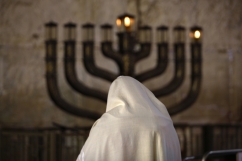
The festival includes the lighting of the menorah, the nine-branched candelabrum, gift-giving and eating special foods, many of them cooked in oil. This recalls the story of the oil at the rededication: almost all the sacred oil for the Temple was defiled by the Seleucids, but there was enough to keep one lamp burning for a day. Miraculously, it lasted for eight.
Among the foods served are potato pancakes known as latkes, jam-filled doughnuts or sufganiyot, and cheese. This commemorates the story in the Book of Judith of her killing of Holofernes, an Assyrian general. He had surrounded her village and cut off the water supply. Judith went to the Assyrian camp and pretended to surrender. Holofernes was smitten by her beauty and she went back to his tent with him, where she plied him with cheese and wine; when he fell asleep she cut his head off.
Jewish children might also play the driedel game, using a four-sided spinning top with each side imprinted with a Hebrew letter – Nes Gadol Haya Sham, which stand for 'A great miracle happened there', referring to the story of the miraculous oil.
In religious terms, Hanukkah is a fairly minor holiday. However, in the US and in Israel it has become a major event, in the former case at least in part because it allows Jews to celebrate in the Christmas season with their Gentile neighbours.