
The head of the World Council of Churches has challenged the legitimacy of the G20 group of the world's 20 leading economies as their leaders meet in Washington DC this weekend to discuss the future of the global economy in the midst of the global economic crisis.
In a statement issued on Friday, the Rev Dr Samuel Kobia criticised the meeting for bringing together many of those "responsible for the current financial meltdown" in closed door talks.
He called for broader participation, saying that the international financial architecture needed to undergo a "paradigm shift".
"Debates on a new financial architecture should include representatives of all developing countries and members from the civil society including religious communities," he said.
The global crisis cannot be dealt with through "a meeting limited to a small portion of the world's countries," he added.
Dr Kobia said that the current financial crisis, which has seen governments pay out trillions of dollars to rescue banks and financial institutions, shattered the myth that deregulated financial markets are efficient.
He said the crisis was jeopardising the achievement of the UN Millennium Development Goals to halve extreme global poverty by 2015 as well as aid provision and efforts to mitigate the effect of climate change.
As "the prevailing international financial system is one based on injustice [...] nothing less than a paradigm shift is needed", Kobia said.
The General Secretary said the solution lay in the creation of new international financial architecture", including a "global regulatory framework" and a "process of democratising all global finance and trade institutions".




-

Edinburgh University ends divinity programmes as theology faces a changing future
-

Why the Archbishop of Canterbury’s award controversy matters
-

More than one in four US Protestant churchgoers believe some biblical truths become outdated
-

Catholicism in France has 'collapsed'
-

Christian leaders issue ‘sober and urgent call’ for Western Church to prepare for disruption
-

Australia's anti-therapy laws harm the most vulnerable - Britain should not copy them
Most Popular
News

Active faith linked to happier marriages and lower divorce rates, study finds
People who regularly attend church are more likely to report happy marriages, according to a new report examining the relationship between faith and family life.

Indian churches fearing anti-conversion laws tell non-Christians: enter at your own risk
Churches in Dhamtari, a town in the central Indian state of Chhattisgarh, have put up notices warning non-Christians that they enter at their own risk, weeks after a law against religious conversion came into force in the state.

£1k bursaries to help churches develop youth and community mentoring programmes
Churches across the UK are being offered bursaries to help them establish mentoring programmes aimed at supporting young people and others in their communities.
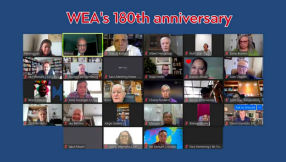
World Evangelical Alliance celebrates 180th anniversary
The World Evangelical Alliance (WEA) has held an online celebration to mark its 180th anniversary. Hundreds of people from more than 22 countries attended, and the event was rebroadcast to accommodate different time zones.








