The man accused of murdering Sir David Amess faked an interest in Christianity in order to meet the MP, a court has been told.
Ali Harbi Ali, 26, is standing trial at the Old Bailey. He denies murdering the Catholic MP in Leigh-on-Sea, Essex, on 15 October last year.
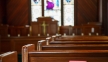
Sir David died after being stabbed multiple times as he met members of the public at a constituency surgery inside a Methodist church in the town.
In court, prosecutor Tom Little QC alleged that Ali had emailed Sir David's office pretending that he was moving to the area and that he was interested in what could be done to prevent church closures.
"I will be moving to the area from a Labour-held constituency and wanted to get to know my future MP. Since I work in healthcare, I would like to know his plans, if any, for the hospital and workers," the email said, according to the Guardian.
He added: "Also, as someone interested in Christianity, I have seen many churches in my area losing attendances and struggle with upkeep, eventually becoming at risk of being demolished or repurposed. I wanted to know if the situation in Southend is similar and, if so, what are the solutions."
Earlier in the week, the jury was shown footage from the body cameras of two police officers who detained Ali at the scene.
Arriving outside the church, the officers are warned against going inside: "He's stabbed David. The man is still inside the church and he is brandishing a knife, waving it around. He will stab you if you go in, he will stab you."
They then enter the building and detain Ali moments later.