If the Church fails to side with the poor and needy, it cannot claim to follow Jesus, a leading young Christian told senior clergy and laity today.
Church of England leaders called on the Government to initiate a "full independent review" into the impact of benefit sanctions.
The Church's governing body, meeting in Westminster, heard stories from around the nation of how the poor and vulnerable had been hit by benefits sanctions.
The sanctions were disproportionate and didn't "fit the crime", the synod heard.
Members backed a motion from the Diocese of Leeds which called on the government to launch a review into the system where claimants have their benefit money stopped for weeks at a time even for being a few minutes late for a meeting at a job centre.
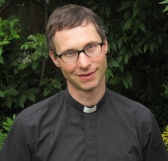
Elliot Swattridge, youth representative on the synod, said: "If we do not side with the poor and needy then we cannot claim in any sense to follow Jesus."
Referring to a diabetic who died after being sanctioned, he added: "The system is not broken; it's cruel, even deadly." He also asked: "Can we disprove what the statistics say, that the Church is there for the rich?"
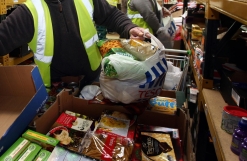
Canon Kathryn Fitzsimons, Priest-in-Charge at Oakwood Church in the Diocese of West Yorkshire and the Dales, and also of Gipton, a large social housing estate where a food bank runs, said there were too many instances where sanctions had led to a level of "enforced destitution" which was "simply unacceptable" in a compassionate society.
The Church was not suggesting there should be no sanctions but was questioning the increasing "severity" and frequency of those currently in place.
She said there was a "lack of flexibility" in the system which meant mental health issues and limited English were not always taken into account when people exposed themselves to sanctions.
Examples of "harsh treatment" included a claimant who was late for a job centre appointment because he had been to a job interview first.
There was also a dad who failed to make a job centre meeting because he had to go to court to stop his flat being repossessed. He ended up walking the streets "in despair" and "felt guilty and ashamed" at not being able to look after his son because of the sanction.
"There seems to be real questions as to whether the punishment fits the crime," Fitzsimons said. "For most of us the thought of being punished by the loss of four weeks pay for being half an hour later for work as a first offence would be a bizarre one."
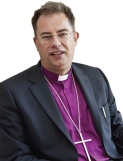
The Bishop of St Albans said: "Early Christianity spread like wildfire because of its radical altruism."
Canon Peter Adams, vice-chair of the Luton foodbank, said people came in with desperate need for complex reasons.
One speaker described a food bank in Newcastle upon Tyne in the north-east of England feeding 1,000 people a week.
Canon Simon Taylor, Chancellor of Derby Cathedral, said: "The government's aim of reducing dependency on the welfare system is to be applauded." But he added that the sanctions undermined their efforts to do this. Over a quarter of those sanctioned in Derbyshire report that financial difficulties due to impact of sanctions last for six months or longer after the sanctions are over. "The sanctions are not reducing dependency. They are perpetuating and increasing dependency."
Fenella Cannings-Jurd, a lay member for the Salisbury diocese, said the long-term impact of sanctions was disproportionate. "A mother or father who as a consequence of having benefits sanctioned cannot provide food for their children may be seen as an inadequate parent." This could even lead to their having their children removed, she said.
Frank Field, chair of the All-Party Parliamentary Group on Hunger, told Christian Today outside the debate: "The Church has led the nation's fightback against hunger and, this week, it is taking a lead role in the debate that needs to take place on a wider scale on the wellbeing of our poorest citizens. A next key move, which some dioceses have already taken, is to piece together a national picture which gives us a better idea of the extent of hunger and the provision in place to meet this need. A national anti-hunger strategy can only be built upon such data."