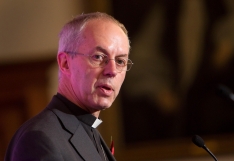
The Church of England is putting pressure on two of the world's biggest oil and gas giants, BP and Shell, to improve their record on carbon emissions.
The Church, which has millions of pounds worth of shares in BP and Shell, is in the process of putting down shareholder resolutions for the annual meetings of both companies which challenge them to engage more actively in the transition to a low-carbon economy.
The Church is concerned about the potential for catastrophic levels of climate change, and it is an issue that is at the top of its ethical investments agenda. It believes that companies can do more to help the fight against global warming.
Disinvestment is a last resort and is unlikely because nearly every company the Church attempts to engage with responds in such a way that this is rarely invoked. However, the Church's recent disinvestments include Vedanta, the mining group, in 2010 and News UK, then News International, in 2012.
Edward Mason, head of responsible investment for the Church Commissioners, who manage the Church's £9 billion investments, said: "Climate change is the biggest issue on our agenda at the moment. It's the ethical investment issue that Church stakeholders are really interested in at the moment."
He said the Church had been stepping up its involvement in the area, and in 2012 set up a programme, Aiming for A, to encourage the UK's ten largest extractive and utilities companies to aim for the top rating on managing their emissions. "We've achieved a huge amount of success with this programme," Mason said.
BP and Shell are currently rated B. "We would really like them to achieve an A rating... We want the companies to report to their shareholders and describe what they are doing to meet these challenges of the future." He said it was "very rare" that a company would not engage with the Church, and generally the Church's views were well received. "It's rarely confrontational. We like to think of it as living out being Christian salt and light in the world of business."
The resolutions are being filed at the Shell and BP annual meetings by two Church bodies, the Church Commissioners and the Church of England Pensions Board. Both annual meetings will take place next spring.
Mason said in a blog for the Church of England that it was clear from the latest assessment report of the Intergovernmental Panel on Climate Change that the world is on a path towards dangerous climate change. "It is imperative that over the decades ahead we make the transition to a low carbon economy," he wrote.
"We have chosen to file shareholder resolutions at BP and Shell because they have the biggest carbon footprints of all the companies listed on the London Stock Exchange... Of course oil and gas companies have a particular responsibility because the fuels they produce contribute to climate change when they are burned.
"The shareholder resolutions are intended to challenge the companies to run their businesses so that they participate constructively in the transition to a low carbon economy. The resolutions are supportive, but stretching."
Shell declined to comment specifically on the resolution. However, a spokesperson pointed Christian Today toward a recent speech where the chief executive officer, Ben van Beurden, said: "Shell knows that climate change will quite rightly continue to rise up the political and public agenda. We are preparing for increasingly robust legislation on emissions. And we understand that renewables have a huge role to play in the energy system of the future."
The Church's climate change investment initiative is led by CCLA Investment Management, the specialist church and charity fund managers who manage over £1.5bn of Church of England money in the Central Board of Finance Church of England funds.
Robert Wine, group press officer for BP, told Christian Today: "We have had constructive discussions with CCLA and are aware that they intend to file a resolution for our AGM in April 2015. We will carefully consider it and respond appropriately before the meeting."
More than 700 institutions around the world have already decided in the last three years to make an ethical investment decision based on a company's record in this area, including the British Medical Association, the Joseph Rowntree Charitable Trust, Glasgow University and the Quakers.