
The US military announced earlier in the week that a HIV vaccine had cut the infection rate by 30 per cent in a trial with 16,000 people in Thailand.
The Rev Dr Robin Hill, convener of the Church of Scotland’s HIV/AIDS Project said the breakthrough appeared to be “very significant” but warned that there was still a long way to go before a complete cure would be found.
“Although still a long way off, the theoretical possibility of an effective vaccine is one which will excite great interest across the globe,” he said.
“No miracle outcome is promised and, as yet, the threat posed by the virus remains very real, at home and abroad.
“The Church of Scotland HIV/AIDS Project is confident that the best way of dealing with the risks associated with HIV is through responsible lifestyle choices which promote health and wholeness.”
The project supports HIV and Aids initiatives in countries around the world, including Scotland, Malawi, Bangladesh and Thailand.
At the Church of Scotland’s General Assembly in May, the project advised that candidates entering the ministry receive HIV and Aids training to enable congregations to better understand the issues surrounding HIV in Scotland and offer more effective care and support.




-

More than one in four US Protestant churchgoers believe some biblical truths become outdated
-

Wycliffe celebrates ‘remarkable moment’ as Bible translation advances at rapid pace
-

Could the Church face a ‘silver uprising’?
-

Christian leaders issue ‘sober and urgent call’ for Western Church to prepare for disruption
-

Church in Wales pauses plans to allow gay marriage
-

Christian social worker returns to Court of Appeal in dispute over withdrawn job offer
Most Popular
News

Majority back Ireland’s three-day abortion waiting period, poll finds
A new poll has found majority support for retaining Ireland’s mandatory three-day waiting period before an abortion, as lawmakers continue to consider legislation that would remove the requirement.

ONS figures show 'good' outlook for married couples
The Coalition for Marriage (CFM) has welcomed new figures suggesting that married couples are increasingly staying together.
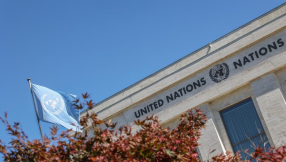
Christians condemn sexual violence following UN report on Russia-Ukraine conflict
Most cases of sexual violence documented were against male prisoners of war.
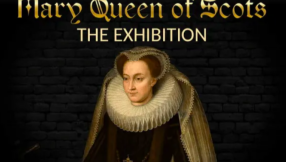
Peterborough Cathedral opens exhibition on Mary, Queen of Scots
Peterborough has opened a new exhibition on Mary, Queen of Scots, that will remain in place until 15 November.








