
Yesterday, the Qualifications and Curriculum Authority (QCA) published the first national curriculum for Religious Education in draft. The two highlighted points in the draft were:
- Humanism, attitudes to sexuality and the ethics of wealth are to be taught alongside Christianity and other faiths.
- Children should begin to learn about another religion alongside Christianity from the age of five. By the time they have finished compulsory education, they should have learnt about the six principal religions represented in the UK - Christianity, Buddhism, Hinduism, Islam, Judaism and Sikhism.
The reason why other world religions and secular philosophies such as humanism are included is to provide a balanced education, as claimed by the draft. The draft emphasises on comparing different religions and examining “secular faiths”, and this provoked the opinion from some Christians that Christianity is being “betrayed”.
Fred Naylor, spokesman for the Parental Alliance for Choice in Education, tried to explain the problem, "Christianity is a fundamental part of our history and tradition and yet it is being portrayed as no more important to school children in Britain than other world religions. The result is a multi-cultural mish-mash."
The Catholic Education Service addressed there was more work to be done to ensure the Religious Education Curriculum did not turn into “a sociology of religions”.
The Church of England said that it recognised the "sensitivity with which the Government and the QCA have handled the process" of devising a religious education curriculum. Nevertheless, the Church of England welcomes the draft overall.
The Church of England Board of Education said children were to be taught about Christianity from the age of three to 19. "There is a very strong commitment to the teaching of Christianity," said Canon John Hall, its chief education officer.
The Church of England’s education ministry is well- developed in UK. As shown by the latest figures, 25% of all state primary schools in England are Church of England schools, 6% of all state secondary schools in England are Church of England schools, 18% of all primary pupils and 5% of all secondary pupils attend these schools and these percentages in each case are growing.
The new framework is only compulsory for all state schools, and governors of church schools will remain in charge of their RE lessons. This leaves a door for Christianity education to be continued to prevail in the UK’s education system. Churches will, however, have to take up a greater commission in expanding its Education ministry in order to preserve the good religious traditions of the UK.




-

Edinburgh University ends divinity programmes as theology faces a changing future
-

Why the Archbishop of Canterbury’s award controversy matters
-

More than one in four US Protestant churchgoers believe some biblical truths become outdated
-

Catholicism in France has 'collapsed'
-

Christian leaders issue ‘sober and urgent call’ for Western Church to prepare for disruption
-

Australia's anti-therapy laws harm the most vulnerable - Britain should not copy them
Most Popular
News

Active faith linked to happier marriages and lower divorce rates, study finds
People who regularly attend church are more likely to report happy marriages, according to a new report examining the relationship between faith and family life.

Indian churches fearing anti-conversion laws tell non-Christians: enter at your own risk
Churches in Dhamtari, a town in the central Indian state of Chhattisgarh, have put up notices warning non-Christians that they enter at their own risk, weeks after a law against religious conversion came into force in the state.

£1k bursaries to help churches develop youth and community mentoring programmes
Churches across the UK are being offered bursaries to help them establish mentoring programmes aimed at supporting young people and others in their communities.
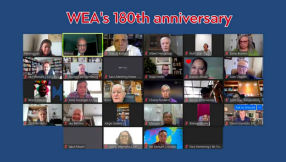
World Evangelical Alliance celebrates 180th anniversary
The World Evangelical Alliance (WEA) has held an online celebration to mark its 180th anniversary. Hundreds of people from more than 22 countries attended, and the event was rebroadcast to accommodate different time zones.








