
Cardinal Cormac Murphy-O’Connor, 76, may become the first Roman Catholic bishop to sit in the House of Lords since the time of the Reformation.
During an interview with the Catholic paper The Tablet, Prime Minister Gordon Brown praised the leadership qualities of the Cardinal and said that he had gained the respect of the public. On the possibility of the Cardinal being elevated to the Lords, the Prime Minister said it would “be discussed at a later stage”.
According to The Times, Mr Brown is believed to have raised the prospect of the Cardinal becoming a Lord at his meeting with the Pope last month.
Mr Brown said: “He has shown not just a great modesty, but a great sensitivity to representing the feelings and sentiments of people throughout the Church.
“He is widely respected across the world for his interest in international development. He has shown great leadership on those issues, such as world poverty, where people look to the Church for leadership," he said.
“I think he has shown great integrity right throughout the period in which he has been Cardinal and that has earned the respect of people far beyond the Catholic Church and right across the country.”
Should Cardinal Murphy-O’Connor be chosen for the Lords, his selection would need special permission from the Pope, as the Catholic Church forbids its clergy from offices which involve the use of political power.
The Cardinal is set to retire in a few weeks and will be the first Cardinal to do so since the Reformation, as all previous Archbishops have died while in office. He will keep his position in the College of Cardinals.
Possible successors to the Cardinal are being considered by the Congregation for Bishops in Rome. The final choice is expected to be announced mid March.
Cardinal Murphy-O’Connor gave his last public address in his current position at Westminster Cathedral last Thursday. In it, he condemned "unacceptable" limits on religious freedom and urged the Church not to give way to drawing pessimistic conclusions about its future.
He said, “The greatest danger for us at the moment is to let ourselves believe what secular culture wants us to believe about ourselves, namely, that we are becoming less and less influential and in decline. I believe that the Church has a vigorous life, and a crucial role to play in our society – more important than at any other time in our recent history."



-
Edinburgh University ends divinity programmes as theology faces a changing future
-

Why the Archbishop of Canterbury’s award controversy matters
-

More than one in four US Protestant churchgoers believe some biblical truths become outdated
-
Catholicism in France has 'collapsed'
-

Christian leaders issue ‘sober and urgent call’ for Western Church to prepare for disruption
-

Australia's anti-therapy laws harm the most vulnerable - Britain should not copy them
Most Popular
News

Active faith linked to happier marriages and lower divorce rates, study finds
People who regularly attend church are more likely to report happy marriages, according to a new report examining the relationship between faith and family life.
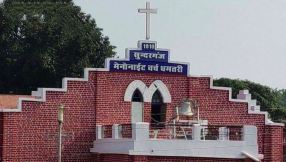
Indian churches fearing anti-conversion laws tell non-Christians: enter at your own risk
Churches in Dhamtari, a town in the central Indian state of Chhattisgarh, have put up notices warning non-Christians that they enter at their own risk, weeks after a law against religious conversion came into force in the state.

£1k bursaries to help churches develop youth and community mentoring programmes
Churches across the UK are being offered bursaries to help them establish mentoring programmes aimed at supporting young people and others in their communities.

World Evangelical Alliance celebrates 180th anniversary
The World Evangelical Alliance (WEA) has held an online celebration to mark its 180th anniversary. Hundreds of people from more than 22 countries attended, and the event was rebroadcast to accommodate different time zones.








