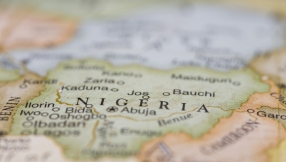
Over 50 girls kidnapped last year by Boko Haram were allegedly spotted in Gwoza, Borno state three weeks ago.
Three women told BBC that they saw dozens of the girls in the northeastern town before the militants were forced to flee the area.
On April 14, 2014, Boko Haram invaded an all-girls school in Chibok, Nigeria and forced over 270 girls into trucks. The militants then drove off into the forest. Over 50 abducted girls were able to escape, but hundreds remain in captivity.
Last month, former Nigerian president Goodluck Jonathan expressed confidence that the girls would be found alive.
"We have not seen dead girls, that is the good news," he said. "I believe they are still alive, I believe we will get them."
The kidnapping drew international attention, and the trending topic #BringBackOurGirls was promoted by celebrities and First Lady Michelle Obama among others. However, there has been no success in retrieving the students, and former UK Prime Minister Gordon Brown, former Nigerian president Olusegun Obasanjo, and other experts have stated that the likelihood of all of the missing girls coming home is nearly zero.
"It is likely that in the month since Boko Haram released a video of the girls flanked by gunmen, the girls have been split into groups of 40-50," Brown wrote in Project Syndicate last June.
"If one group is rescued by force, the others will be murdered, creating a serious tactical dilemma for the Nigerian government's special forces."
Boko Haram leader Abubakar Shekau insisted that the girls have been married off to the militant Sunni Muslims, and converted to their faith. One of the Nigerian women who spotted the girls last month said that the children were wearing traditional Muslim dress.
Another woman reported seeing the girls in November at a Boko Haram camp in Bita village, Borno state.
"About a week after they were brought to the camp, one of us peeked through a window and asked: 'Are you really the Chibok girls?' and they said: 'Yes'. We believed them and didn't ask them again," the woman told BBC.
"They took Koranic lessons, cleaned their compound, cooked for themselves and they braided each others' hair. They were treated differently - their food [was] better and water clean."