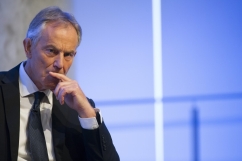
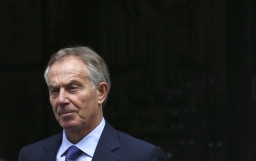
Tony Blair has issued his most heartfelt apology for "planning and process" mistakes in the lead up to the 2003 invasion of Iraq, saying: "For all of this I express more sorrow, regret and apology than you may ever know or can believe."
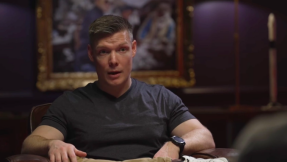
Speaking at a press conference in London hours after the publication of the Chilcot report into the Iraq war, Blair said the decision was the most "agonising" he took in his ten years as prime minister, for which he took "full responsibility, without exception and without excuse".
However, answering questions after his statement, Blair repeatedly insisted he would take the same decision again. "I believe that I made the right decision...If I was back in the same place...with the same information...I would take the decision again." Pressed on what he was apologising for, Blair said he "cannot" apologise for removing Saddam Hussein.
Apologising for mistakes earlier, Blair said: "The decision to go to war in Iraq and remove Saddam Hussein from power in a coalition of over 40 countries led by the USA, was the hardest, most momentous, most agonising decision I took in 10 years as British prime minister."
He went on: "For that decision today I accept full responsibility, without exception and without excuse. I recognise the division felt by many in our country over the war and in particular I feel deeply and sincerely – in a way that no words can properly convey – the grief and suffering of those who lost ones they loved in Iraq, whether the members of our armed forces, the armed forces of other nations, or Iraqis. The intelligence assessments made at the time of going to war turned out to be wrong. The aftermath turned out to be more hostile, protracted and bloody than ever we imagined. The coalition planned for one set of ground facts and encountered another, and a nation whose people we wanted to set free and secure from the evil of Saddam, became instead victim to sectarian terrorism. For all of this I express more sorrow, regret and apology than you may ever know or can believe."
Blair said: "I hope future leaders can learn from [the mistakes] I have made," adding that "there will not be a day of my life" when he does not reflect on all the people who have died as a result of the conflict.
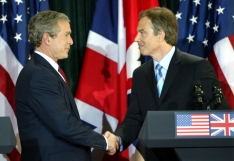
He also acknowledged that September 11, 2001 was a turning point. "It's true that I took the decision after 9/11 that we should be America's closest ally," he said.