Jerusalem Church leaders have released a report detailing the struggles and challenges currently faced be Christians living in the Holy Land.
Top of the list was the reality of living in a warzone. The Israel-Hamas war did not confine itself to Jews and Muslims, with Christians sometimes being caught in the crossfire.
Holy Family Church, one of just three churches in Gaza, was hit by an Israeli explosive in July, killing three and injuring 10.
Other Christian sites to have been damaged since the start of the war are the Church of St Porphyrios and Al Ahli Baptist Hospital.
With a ceasefire in effect, the worst may be over for now, but the daily realities of life remain difficult, says the report by the Council of Patriarchs and Heads of Churches in Jerusalem.
The report warns that the Al Ahli Baptist Hospital is "short" on medical equipment and "not able to receive medicines due to restrictions on humanitarian aid entering Gaza".
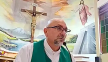
At the beginning of the month, Holy Family’s parish priest, Father Gabriel Romanelli, said, “The world should know that there are over two million people here who have nothing and need everything.
“Since the fighting stopped, the Latin Patriarchate of Jerusalem has managed to send us important aid with which we have been able to help over 12,000 families.”
In a war zone even many of the simple pleasures that people in the UK will be taking for granted this Christmas are hard to come by, with Fr Romanelli saying he was hoping to have some chocolate to share with parishioners.
In their report, the Council of Patriarchs said there had been a “slight improvement to daily life” in Gaza, but that the situation remains bleak. Their report calls for action to ensure that the ceasefire is strengthened and that adequate aid reaches those who need it.
The report also highlights reports of attacks by Israeli settlers on Christian communities living in the West Bank. The settlers are reported to have targeted the Christian town of Taybeh, starting a fire near a historic church and preventing the locals from properly harvesting their olives, putting their livelihoods at risk.
There is an “urgent need to protect Christian communities and our places of worship extend throughout the West Bank, where settler attacks increasingly target our churches, people and properties".
Incidents involving Israeli settlers have reportedly increased in recent years, particularly since the Gaza war broke out, with few sanctions against those responsible.
Radical Israelis have been blamed for interruptions and attacks on Christian processions in the Old City during Holy Week. Israeli authorities imposed tougher security measures during Holy Week this year, effectively preventing many Christians, even those with valid permits, from attending events at the Holy Sepulchre, the place where Christ is believed to have been buried.
Even the Scouts were not permitted to join, with one Scout leader threatened with a gun by a police officer. Jews wishing to enter the Old City for Passover faced no such restrictions.
Israeli authorities were criticised in the report for imposing municipal taxes, called arnona, on church properties. The taxes, the report argues, breach treaties and agreements that go back centuries and represent a serious financial burden for the churches.
The Armenian Patriarchate is facing a foreclosure case with the Jerusalem municipality due to arnona debts, while in August the Greek Orthodox Patriarchate of Jerusalem had its bank accounts frozen by the Jerusalem Municipality. The freeze was lifted following an international outcry.
The final issue raised by the report focuses on plans to expand the Jerusalem Walls National Park apparently at the expense of church properties on the Mount of Olives.
The Mount of Olives is where Jesus was arrested on the night of his betrayal and, according to the biblical text, was a place he often frequented.
The expansion plans are being championed by a radical Jewish group called Elad. It is feared the plans will limit the ability of Christian pilgrims to visit holy sites and possibly degrade the sanctity of these sites. The Patriarchs called for the plans to be scrapped and asked that the authorities respect the sanctity of the location for Christians.
“Threats to Christian heritage - particularly in Jerusalem, the West Bank, and Gaza alongside issues of unjustified taxation - are the source of ongoing concerns that threaten the existence of the community and the churches,” reads the report.
“Urgent action is needed to bolster, support, and maintain the current ceasefire in Gaza, and uphold religious freedom, protect Christians as the living stones, and provide economic and diplomatic support to sustain their communities across the Holy Land.”
The report finished with a call to recognise the value of the Christian presence in the region: “The Churches remain a key player in creating a sustainable peace for both Israelis and Palestinians, helping shape a future where all can flourish.
"External bodies and governments are strongly encouraged to urgently support Church institutions and the Christian presence through economic support, and diplomatic pressure on the specific issues above.”