
The Bishop of Down and Connor has consecrated land where the bodies of babies and young children are believed to have been buried.
Hundreds of unmarked graves are thought to be located in the Bog Meadows at the bottom of Milltown Cemetery in west Belfast.
The land belongs to the Ulster Wildlife Trust but was previously the property of the Catholic Church.
Some families believe that some of the bodies may have been accidentally transferred from the cemetery when the land was sold and have been campaigning to have the Bog Meadows consecrated and recognised as an official part of the cemetery.
The graves were located after archaeologists conducted a radar search in the Bog earlier this year.
On Sunday Dr Noel Treanor, the Bishop of Down and Connor blessed the land, saying it was important to recognise those buried in the area.
He said, "The church is desirous and happy to undo any errors, to honour the memory of these children, to recognise the grief of the parents, not only in the loss of their children but in their sense the neglect of those children by the community, by the church," reports the BBC.
"As of October of last year, the diocese went actively about reacquiring this part of the graveyard."




-

More than one in four US Protestant churchgoers believe some biblical truths become outdated
-

Wycliffe celebrates ‘remarkable moment’ as Bible translation advances at rapid pace
-

Could the Church face a ‘silver uprising’?
-

Christian leaders issue ‘sober and urgent call’ for Western Church to prepare for disruption
-

Church in Wales pauses plans to allow gay marriage
-

Christian social worker returns to Court of Appeal in dispute over withdrawn job offer
Most Popular
News

Majority back Ireland’s three-day abortion waiting period, poll finds
A new poll has found majority support for retaining Ireland’s mandatory three-day waiting period before an abortion, as lawmakers continue to consider legislation that would remove the requirement.
ONS figures show 'good' outlook for married couples
The Coalition for Marriage (CFM) has welcomed new figures suggesting that married couples are increasingly staying together.
Christians condemn sexual violence following UN report on Russia-Ukraine conflict
Most cases of sexual violence documented were against male prisoners of war.
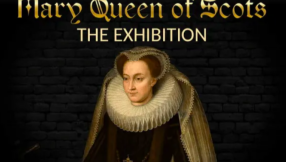
Peterborough Cathedral opens exhibition on Mary, Queen of Scots
Peterborough has opened a new exhibition on Mary, Queen of Scots, that will remain in place until 15 November.








