
|PIC1|The Bible Society has launched a project to transform a disused church into a new Bible heritage centre in north Wales.
It is looking to raise £1.8 million for the centre, which it hopes will boost tourism and take the Bible Society back to its Welsh roots.
The Bible heritage centre will be based at St Beuno's Church in Llanycil, close to the place where the idea for the Bible Society first came about.
It was in 1800 that a 15-year-old girl walked 25 miles across the Welsh mountains to nearby Bala just to get her own copy of the Bible. Mary Jones bought the Bible from Methodist preacher the Rev Thomas Carlisle after saving for six years.
|PIC2|He was so touched by her determination to have her own Bible that he later helped to establish the Bible Society, now an international organisation helping people around the world to hear or read God's word in their own language.
The renovation project was launched at the National Eisteddfod of Wales on Monday.
Bible Society’s Welsh Development Officer, Watcyn James said, "This will be a beautiful place for people of all faiths and no faith at all to come and learn more about the rich history here. It will be a place to discuss and to celebrate the culture."




-

More than one in four US Protestant churchgoers believe some biblical truths become outdated
-

Wycliffe celebrates ‘remarkable moment’ as Bible translation advances at rapid pace
-

Could the Church face a ‘silver uprising’?
-

Christian leaders issue ‘sober and urgent call’ for Western Church to prepare for disruption
-

Church in Wales pauses plans to allow gay marriage
-

Christian social worker returns to Court of Appeal in dispute over withdrawn job offer
Most Popular
News

Majority back Ireland’s three-day abortion waiting period, poll finds
A new poll has found majority support for retaining Ireland’s mandatory three-day waiting period before an abortion, as lawmakers continue to consider legislation that would remove the requirement.
ONS figures show 'good' outlook for married couples
The Coalition for Marriage (CFM) has welcomed new figures suggesting that married couples are increasingly staying together.
Christians condemn sexual violence following UN report on Russia-Ukraine conflict
Most cases of sexual violence documented were against male prisoners of war.
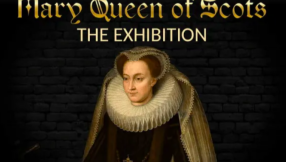
Peterborough Cathedral opens exhibition on Mary, Queen of Scots
Peterborough has opened a new exhibition on Mary, Queen of Scots, that will remain in place until 15 November.








